New Orleans Triennial Positions the City as a Model for a Precarious, Adaptive Future
In the heart of New Orleans, a city renowned for its resilience and cultural vibrancy, the sixth edition of Prospect New Orleans unfolds as a powerful narrative of survival and adaptability. Co-curated by Miranda Lash and Ebony G. Patterson, this contemporary-art triennial reimagines New Orleans not as a city in need of rescue, but as a beacon of strength and foresight in the face of natural and social adversities.
The triennial’s theme, encapsulated in the title The Future Is Present, The Harbinger Is Home, challenges cities like New York and Los Angeles to learn from New Orleans’ model of sustainability. This artistic celebration positions New Orleans as a city already living in the future, where climate catastrophes and historical reckonings are not just anticipated but embraced as part of everyday life.
“This framework postulates New Orleans as already living in the future,” said Patterson during the exhibition’s opening. Lash added, “We want to show New Orleans as a gift and as a scout.” The exhibition, featuring 51 artists across 21 venues, highlights how contemporary art can serve as an engine of coping, rather than mere recovery.
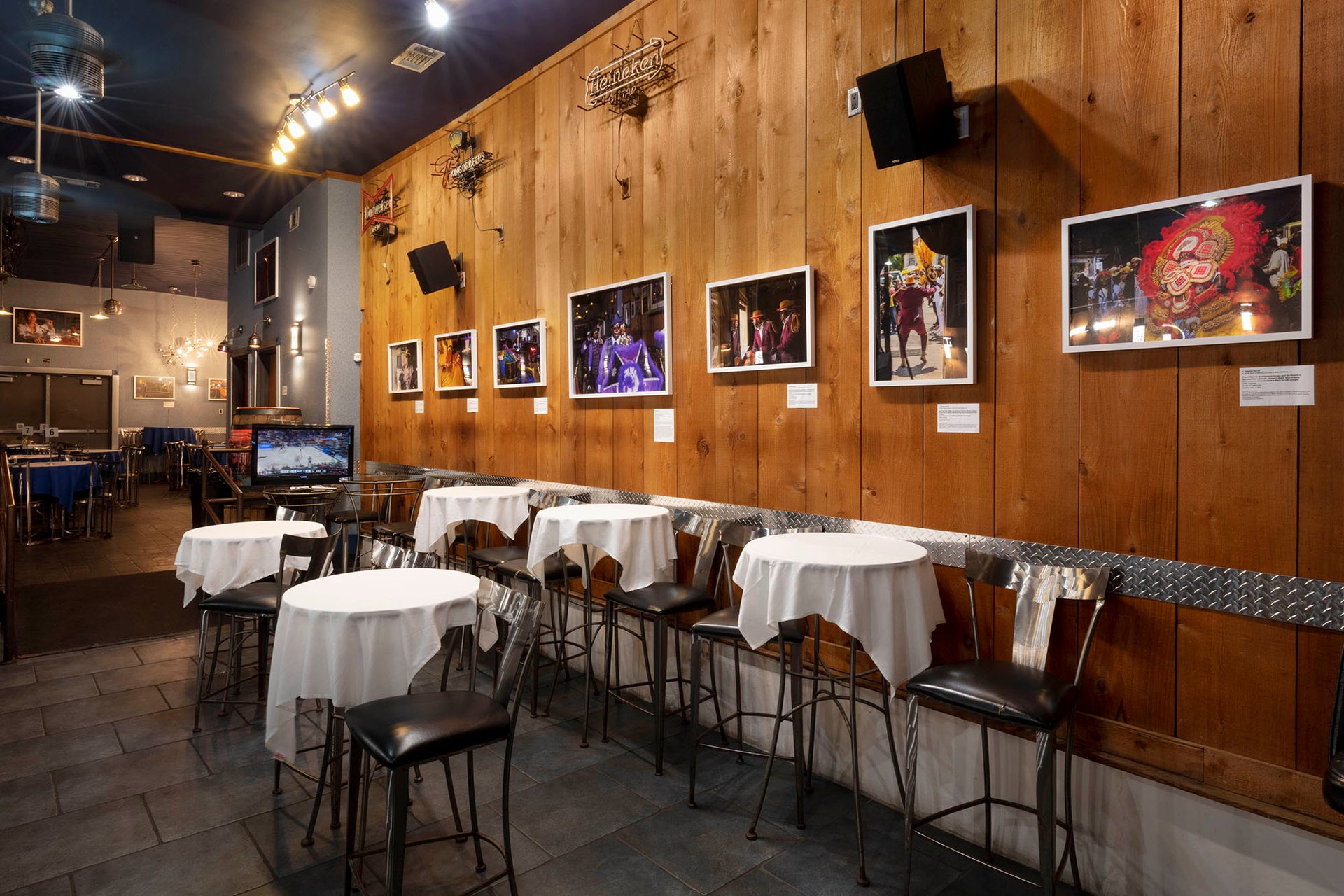
Several artists explore themes of adaptability and endurance through archival and documentary projects. L. Kasimu Harris, a New Orleans-based artist, documents the city’s Black-owned bars in his series Vanishing Black Bars & Lounges, capturing the essence of a community facing gentrification.
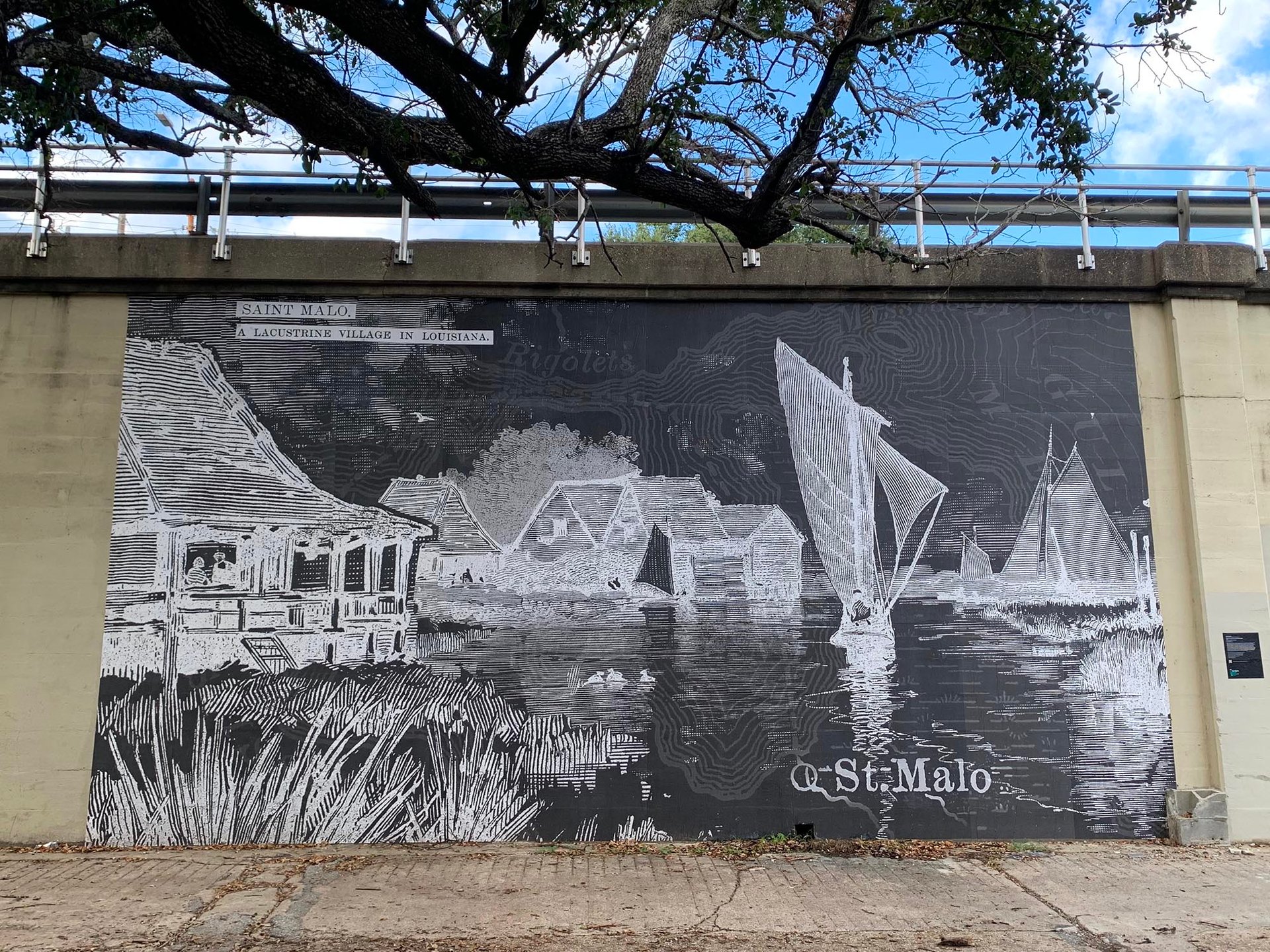
Stephanie Syjuco’s mural, Phantom Visions (The Lacustrine Village of St. Malo), draws on historical imagery to preserve the legacy of St Malo, Louisiana, the first permanent Filipino settlement in the US.
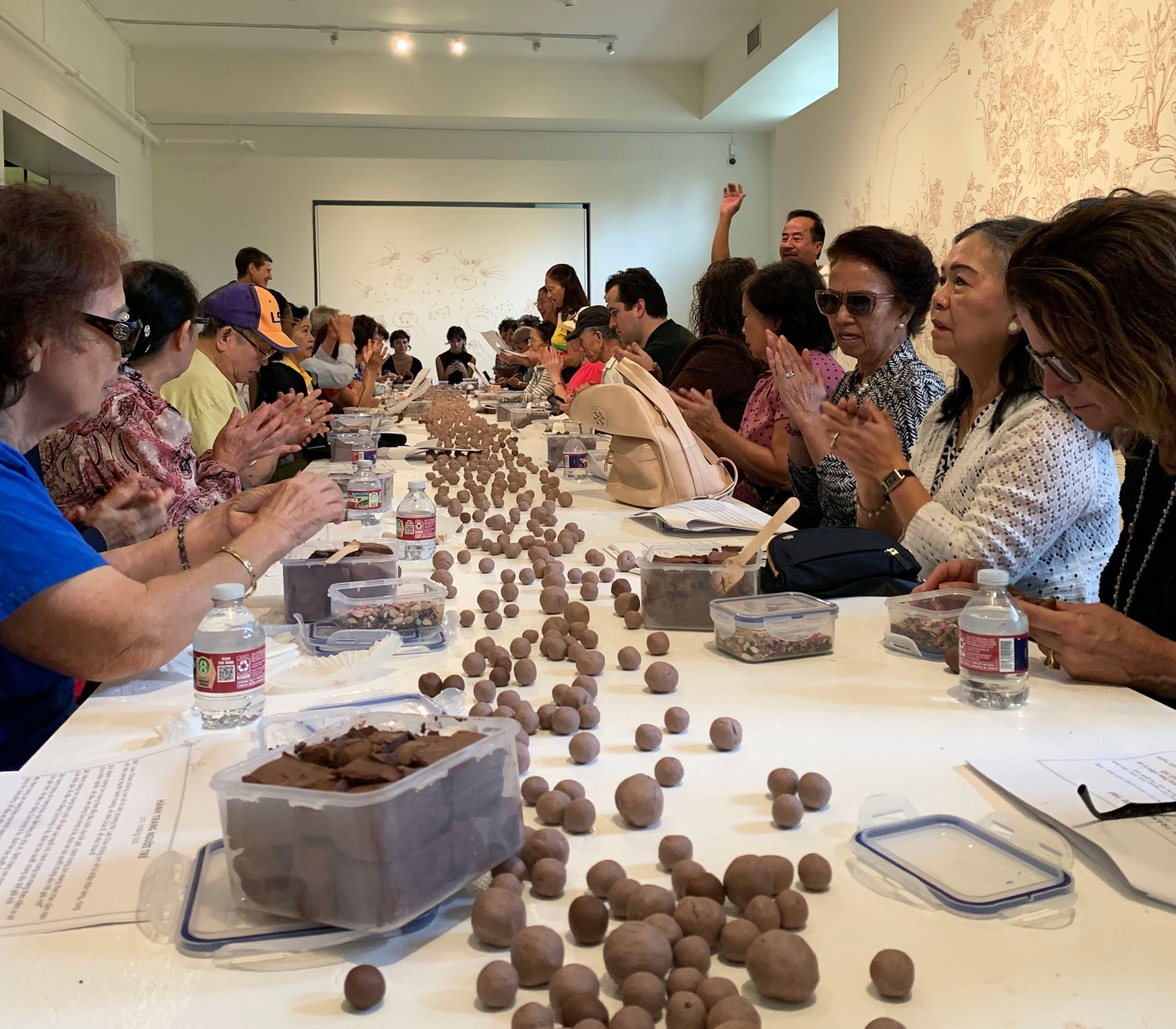
The exhibition also highlights Tuan Mami’s Seeding the Future, a collaborative project with New Orleans’ Vietnamese community, emphasizing community building through the act of planting seeds.
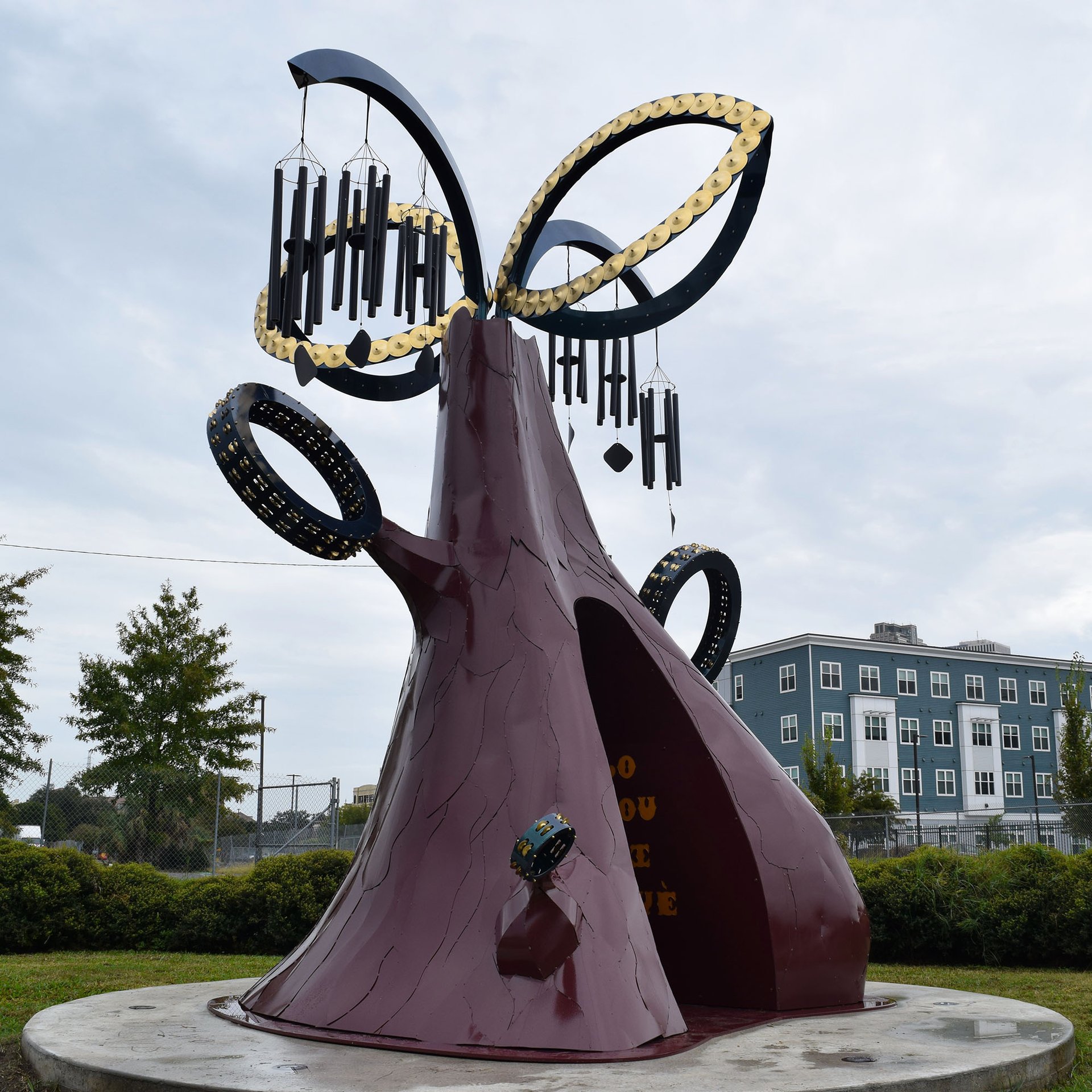
In a striking transformation, Raúl de Nieves reclaims a former Confederate monument as a tribute to New Orleans’ queer and Latinx communities, while Ashley Teamer’s Tambourine Cypress serves as a beacon for community connection.
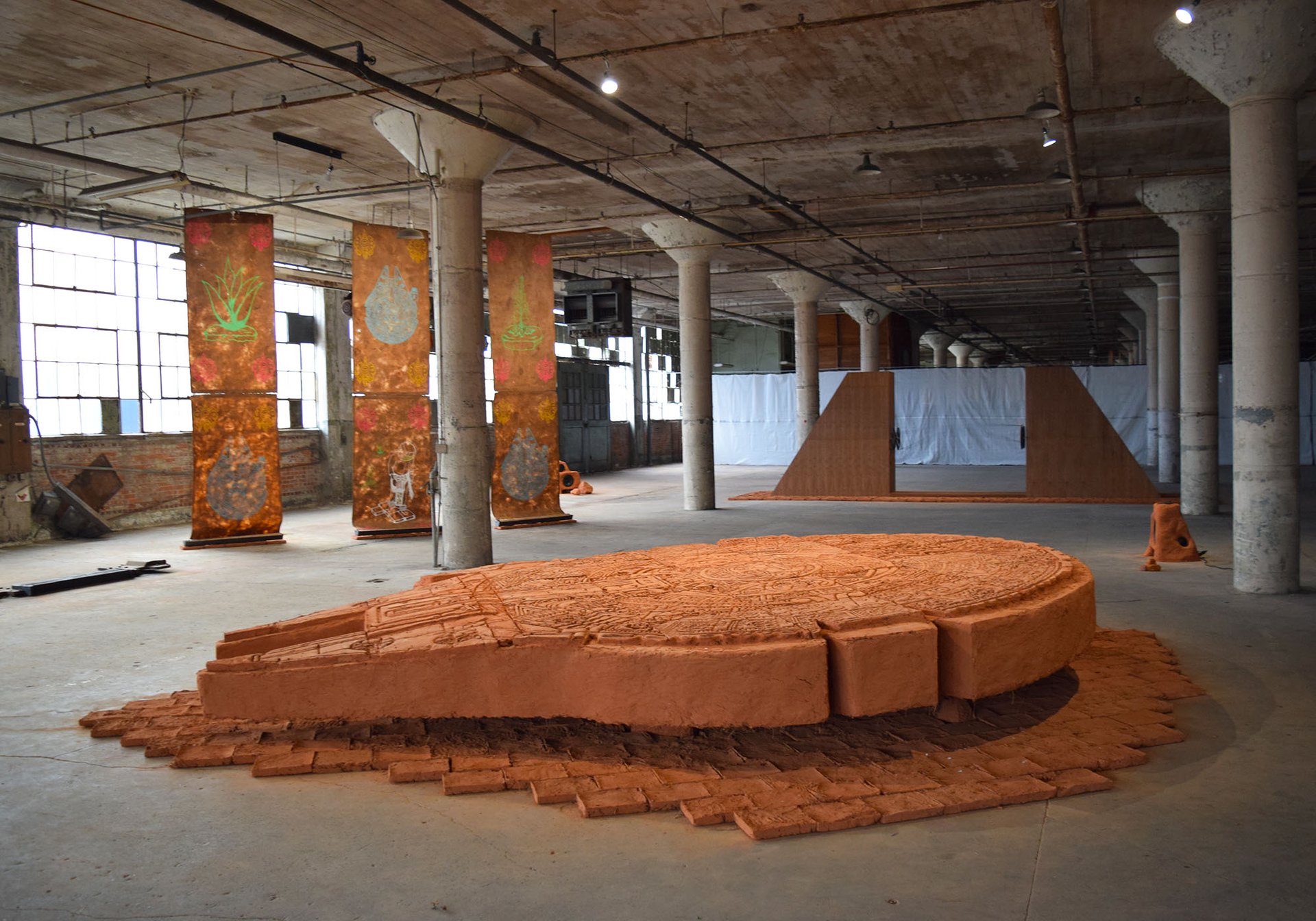
The triennial’s exploration of imagined futures continues at the Ford Motor Plant, where artists Zalika Azim, rafa esparza, and Dewey Tafoya blend futuristic and ancient iconographies in their collaborative work.
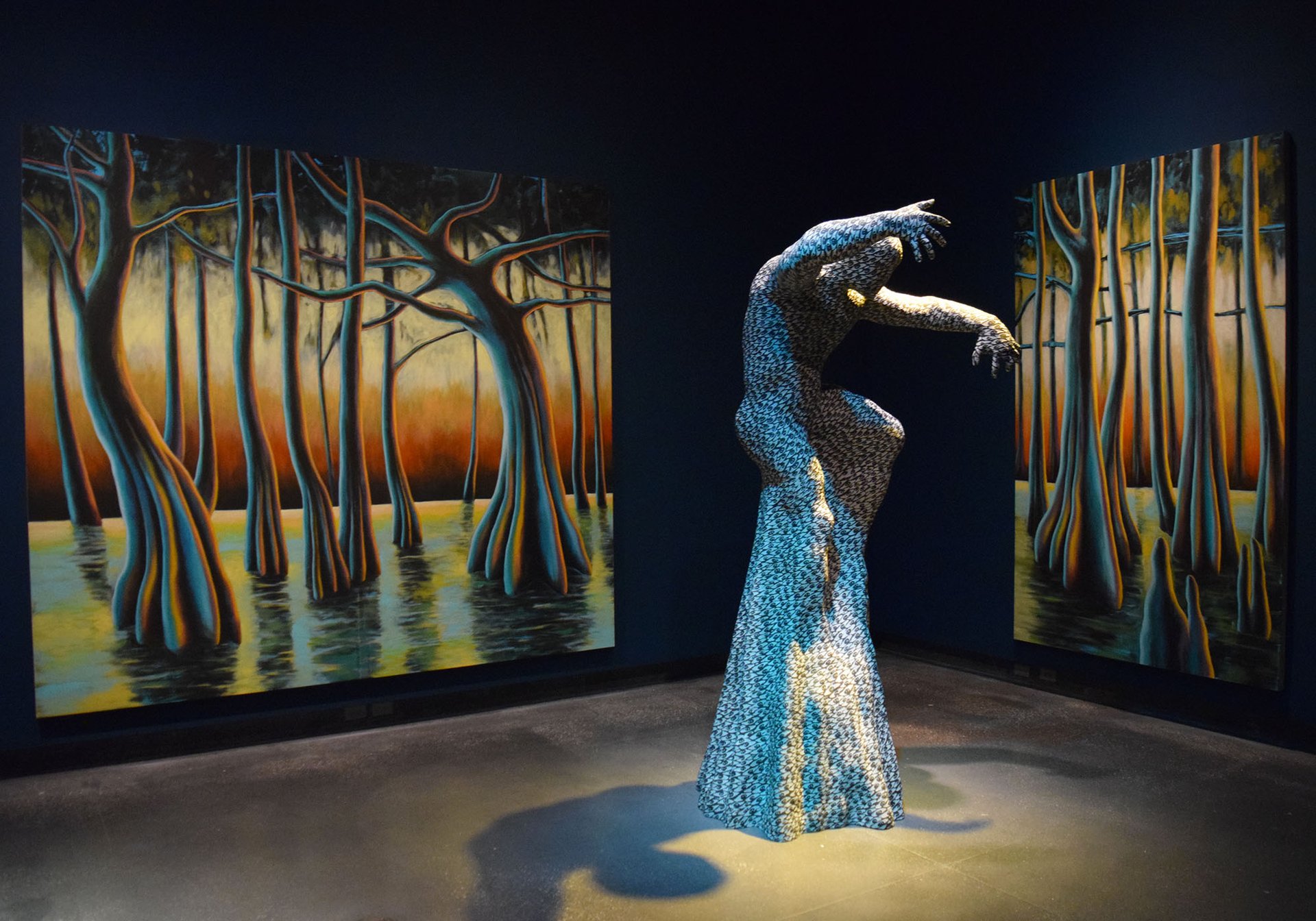
Didier William’s installation Gesture to Home at the Historic New Orleans Collection connects the artist’s Haitian roots with Louisiana’s history, using the region’s cypress trees as symbols of resilience.
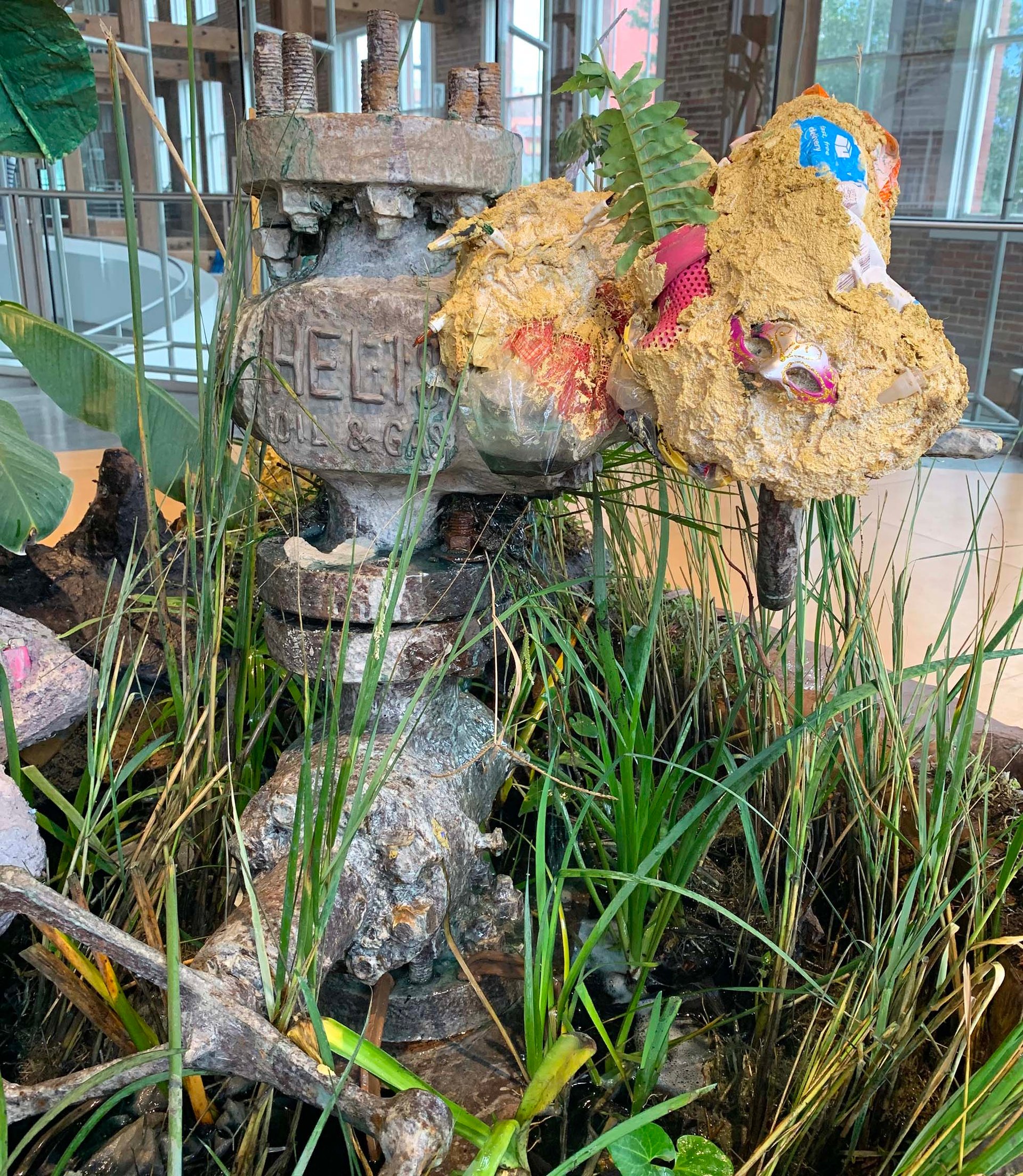
At the Contemporary Arts Center, Hannah Chalew’s Orphan Well Gamma Garden transforms Louisiana’s oil infrastructure into a commentary on environmental impact and cultural entrenchment.
From capturing community memories to envisioning possible futures, The Future Is Present, The Harbinger Is Home offers a compelling vision of resilience and adaptability, with New Orleans at its heart, leading the way forward.
More Articles
Getting licensed or staying ahead in your career can be a journey—but it doesn’t have to be overwhelming. Grab your favorite coffee or tea, take a moment to relax, and browse through our articles. Whether you’re just starting out or renewing your expertise, we’ve got tips, insights, and advice to keep you moving forward. Here’s to your success—one sip and one step at a time!
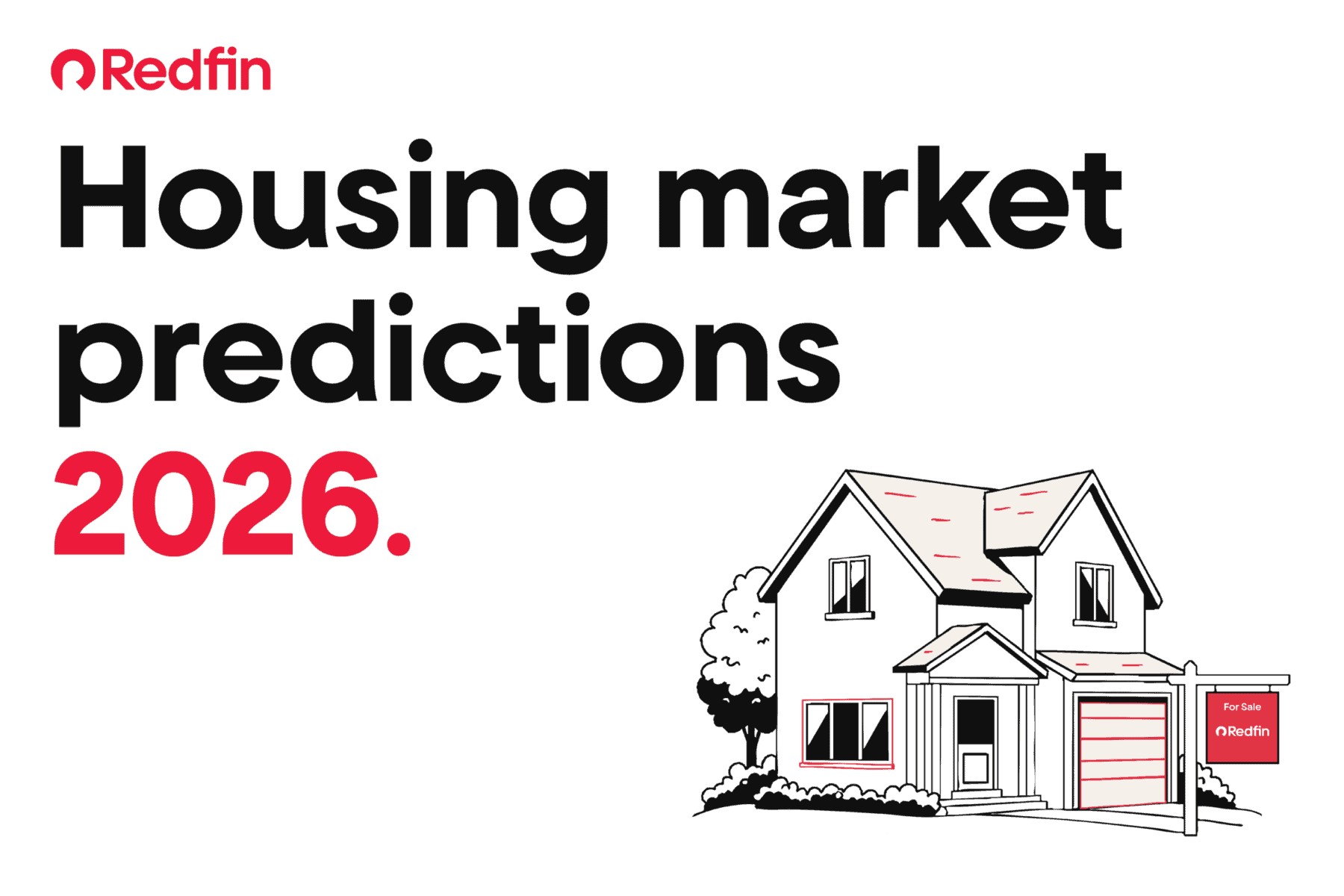
Redfin forecasts a slow but meaningful return to normalcy in the U.S. housing market starting in 2026. Instead of a crash or a rapid correction, the year marks the beginning of a “Great Housing Reset” where affordability gradually improves, mortgage rates ease into the low‑6% range, home sales tick upward, and renters, buyers, and professionals finally feel less market pressure. From wage growth outpacing home prices to rising refi activity and the rise of AI‑powered real estate tools, 2026 is shaping up to be a foundational year for real estate careers and long‑term market stability.
Hurricane Melissa’s destruction in Jamaica highlights a growing global reality: climate risks are accelerating faster than insurance adoption. With more than 90% of disaster losses in developing regions going uninsured and a worldwide protection gap exceeding $1.8 trillion annually, experts warn that traditional insurance systems can no longer keep up. New models—like parametric payouts, community‑based aggregation and bundled climate tools—are emerging, but governments and corporations must step in to prevent financial shocks from destabilizing entire economies.
Gravis Robotics, a Zurich-based startup, just raised $23 million to bring autonomous tech to construction sites facing a massive operator shortage. As demand surges for renewable energy projects, data centers, and new housing, Gravis retrofits traditional heavy machinery with AI-driven systems that can work autonomously or via remote guidance. With trials already underway across seven countries, the company is pushing a future where humans and robots collaborate — speeding up development timelines and reshaping industries from construction to real estate.
Zillow has quietly removed its climate‑risk scores after months of pressure from agents, homeowners, and listing services who said the warnings were scaring off buyers. The move has sparked a national debate: Is this a win for real estate sales or a setback for consumer transparency? Critics warn that without clear climate‑risk data, families could be “flying blind” into costly surprises like insurance spikes and flood damage. As climate impacts intensify and disclosure expectations rise, real estate professionals must stay informed—because whether Zillow shows the data or not, the risks aren’t going anywhere.
Florida’s property insurance crisis is becoming the defining issue heading into the 2026 election season. Republicans argue that recent reforms are finally stabilizing the market, pointing to reduced litigation and cooling reinsurance costs. Democrats counter that families are still facing unbearable premiums, with condo prices dropping over 8% and Floridians paying some of the highest insurance rates in the nation. As lawmakers prepare to return to Tallahassee, the future of insurance reform is set to become the central political fight—one that will directly impact homeowners, investors, and real estate professionals across the state.
Connectivity has become one of the most powerful differentiators in today’s real estate market. As smart buildings, automation, and sustainability demands accelerate, fiber networks are replacing outdated copper systems and reshaping property value. With lower energy use, unified smart‑building capabilities, reduced long‑term costs, and stronger tenant satisfaction, digital infrastructure is now central to investment strategy. Real estate professionals who understand this shift gain a competitive edge as the industry moves toward cleaner, smarter, more connected buildings.