New Orleans Triennial Positions the City as a Model for a Precarious, Adaptive Future
In the heart of New Orleans, a city renowned for its resilience and cultural vibrancy, the sixth edition of Prospect New Orleans unfolds as a powerful narrative of survival and adaptability. Co-curated by Miranda Lash and Ebony G. Patterson, this contemporary-art triennial reimagines New Orleans not as a city in need of rescue, but as a beacon of strength and foresight in the face of natural and social adversities.
The triennial’s theme, encapsulated in the title The Future Is Present, The Harbinger Is Home, challenges cities like New York and Los Angeles to learn from New Orleans’ model of sustainability. This artistic celebration positions New Orleans as a city already living in the future, where climate catastrophes and historical reckonings are not just anticipated but embraced as part of everyday life.
“This framework postulates New Orleans as already living in the future,” said Patterson during the exhibition’s opening. Lash added, “We want to show New Orleans as a gift and as a scout.” The exhibition, featuring 51 artists across 21 venues, highlights how contemporary art can serve as an engine of coping, rather than mere recovery.
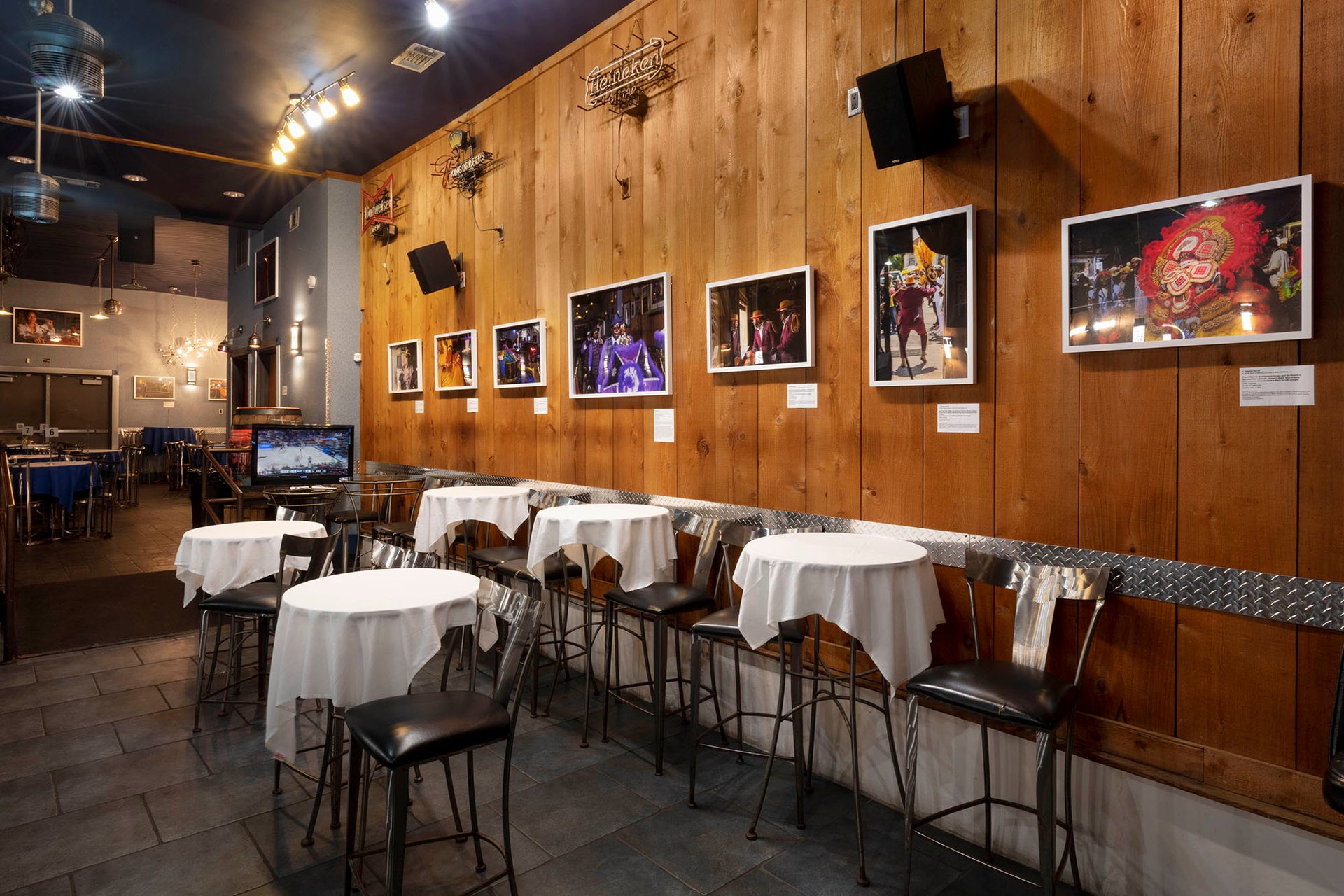
Several artists explore themes of adaptability and endurance through archival and documentary projects. L. Kasimu Harris, a New Orleans-based artist, documents the city’s Black-owned bars in his series Vanishing Black Bars & Lounges, capturing the essence of a community facing gentrification.
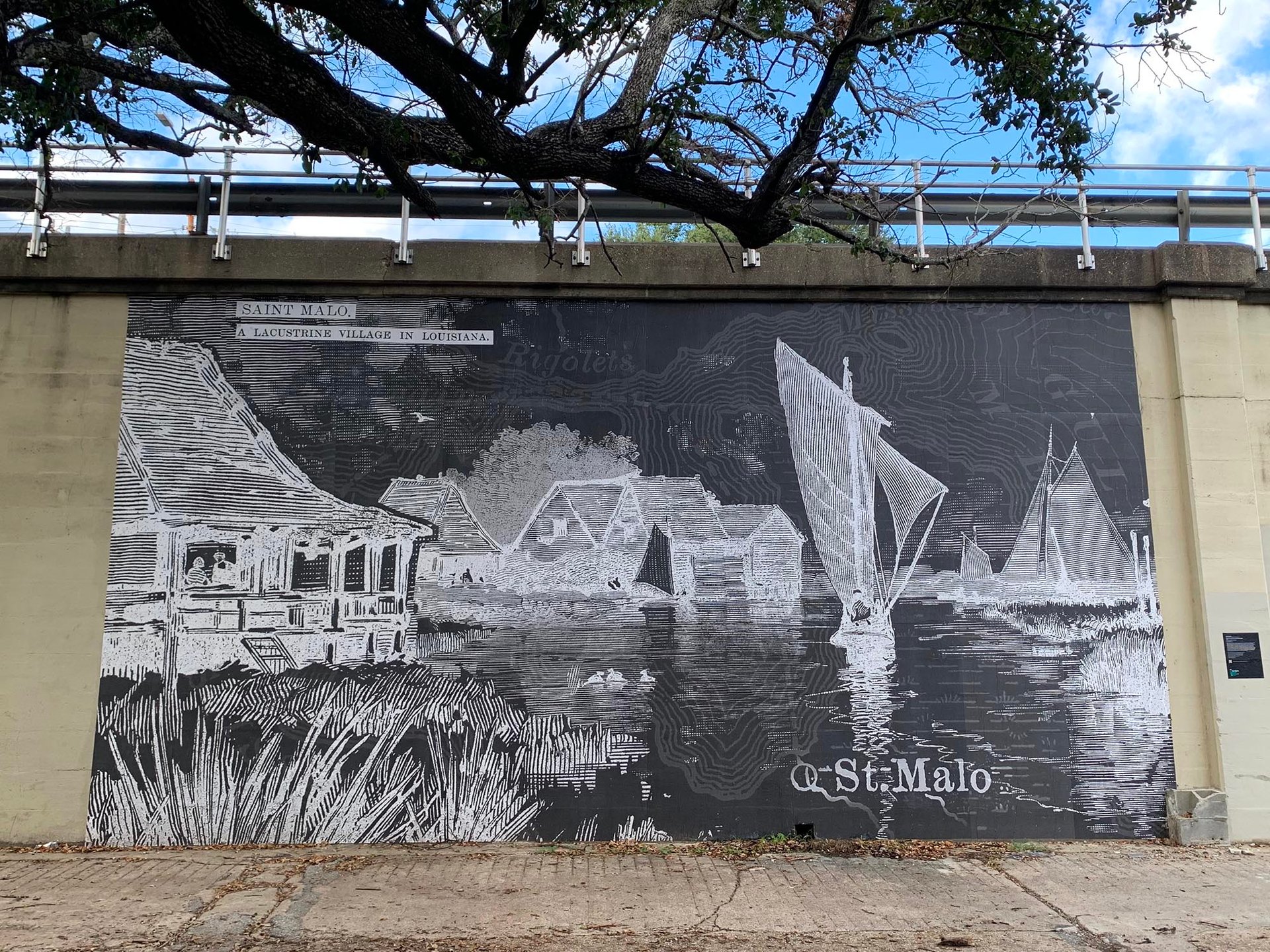
Stephanie Syjuco’s mural, Phantom Visions (The Lacustrine Village of St. Malo), draws on historical imagery to preserve the legacy of St Malo, Louisiana, the first permanent Filipino settlement in the US.
The exhibition also highlights Tuan Mami’s Seeding the Future, a collaborative project with New Orleans’ Vietnamese community, emphasizing community building through the act of planting seeds.
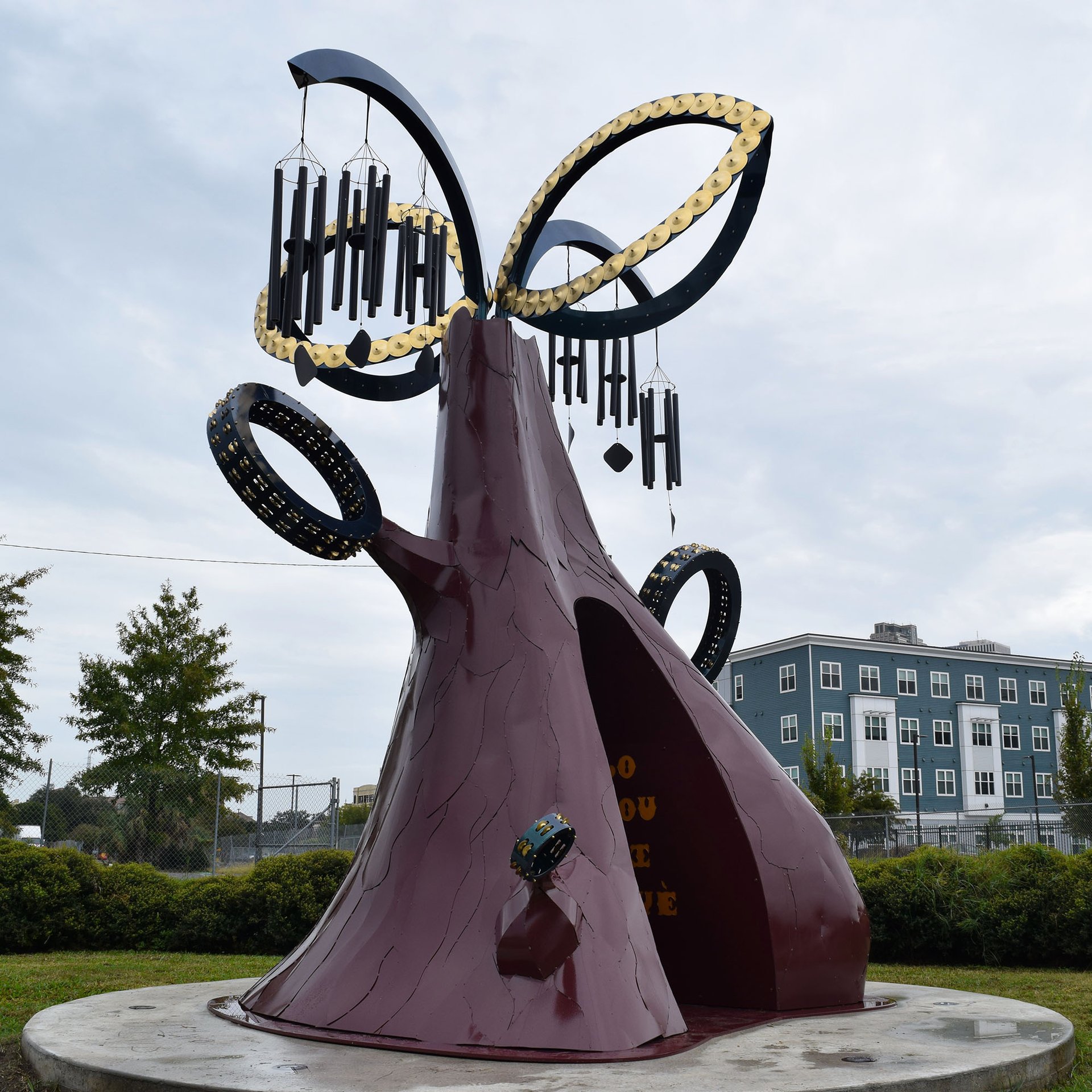
In a striking transformation, Raúl de Nieves reclaims a former Confederate monument as a tribute to New Orleans’ queer and Latinx communities, while Ashley Teamer’s Tambourine Cypress serves as a beacon for community connection.
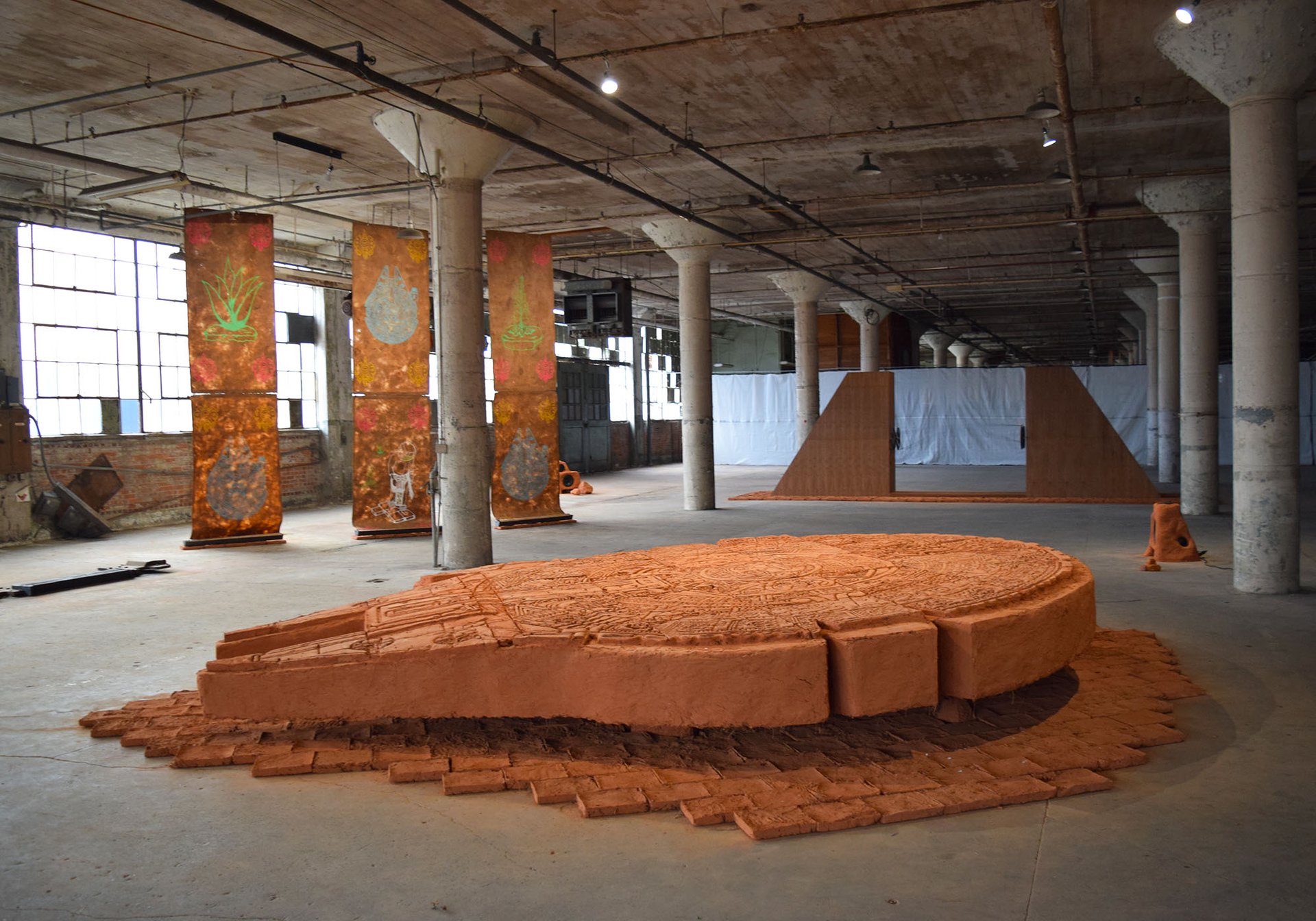
The triennial’s exploration of imagined futures continues at the Ford Motor Plant, where artists Zalika Azim, rafa esparza, and Dewey Tafoya blend futuristic and ancient iconographies in their collaborative work.
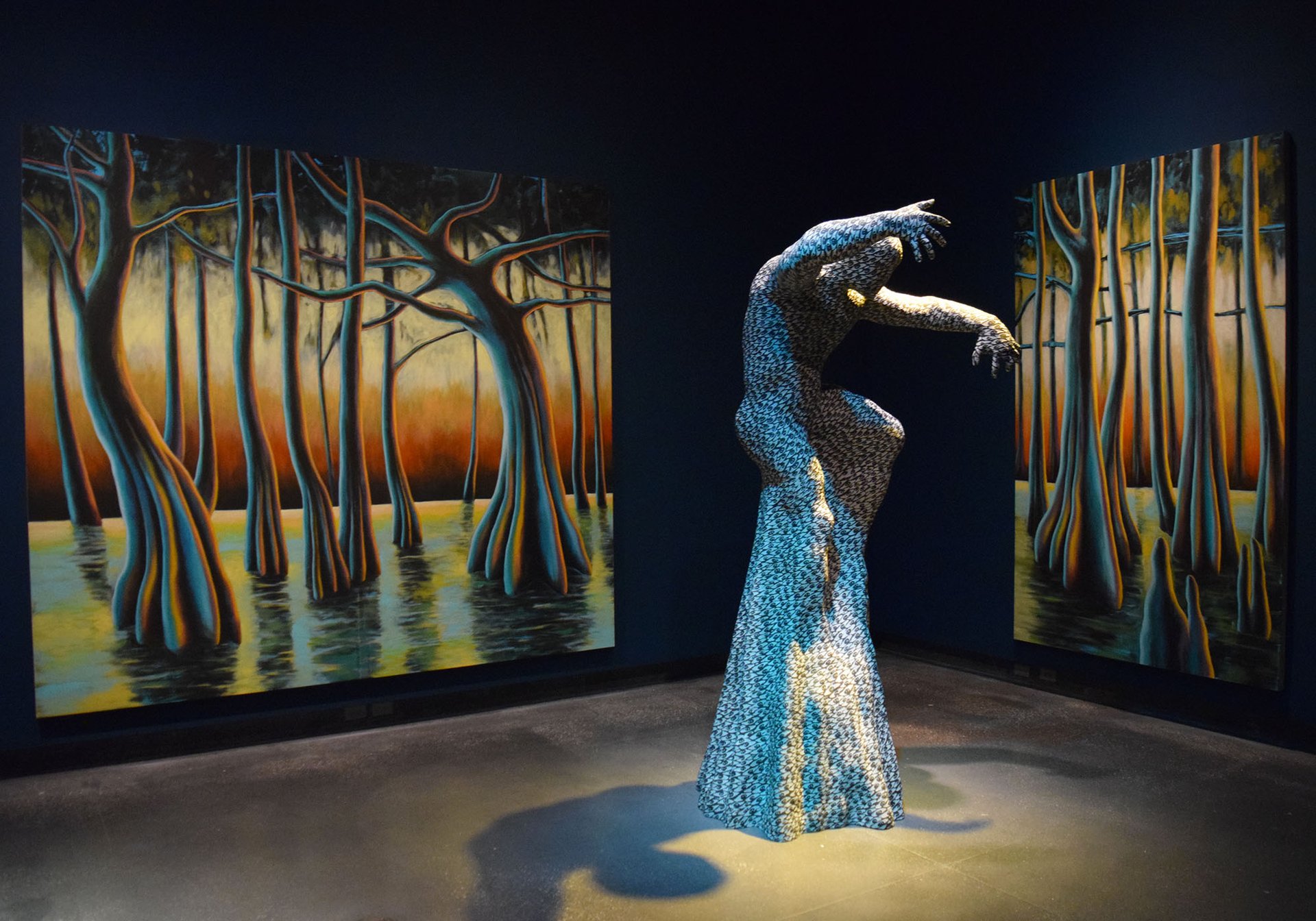
Didier William’s installation Gesture to Home at the Historic New Orleans Collection connects the artist’s Haitian roots with Louisiana’s history, using the region’s cypress trees as symbols of resilience.
At the Contemporary Arts Center, Hannah Chalew’s Orphan Well Gamma Garden transforms Louisiana’s oil infrastructure into a commentary on environmental impact and cultural entrenchment.
From capturing community memories to envisioning possible futures, The Future Is Present, The Harbinger Is Home offers a compelling vision of resilience and adaptability, with New Orleans at its heart, leading the way forward.
More Articles
Getting licensed or staying ahead in your career can be a journey—but it doesn’t have to be overwhelming. Grab your favorite coffee or tea, take a moment to relax, and browse through our articles. Whether you’re just starting out or renewing your expertise, we’ve got tips, insights, and advice to keep you moving forward. Here’s to your success—one sip and one step at a time!
After nearly 20 years under uniquely harsh lending rules, Florida may finally see its condo market freed from a 25% down payment requirement imposed only on the state. Industry leaders say Fannie Mae could announce changes as early as December—potentially restoring the standard 10% down payment used everywhere else in the country. Experts believe the shift would boost maintenance funding, improve affordability, and stabilize Florida’s condo market after years of strain.
Phoenix’s commercial real estate market is shaking off years of uncertainty as broker optimism hits its highest level since interest rates began climbing. The latest ASU Commercial Broker Sentiment Index soared to 62.7, signaling strong confidence across multifamily, retail, office, and capital markets. With population growth accelerating, interest rates easing, and AI boosting industry efficiency, Phoenix is positioning itself for a powerful run into 2026—offering meaningful opportunities for both new and seasoned real estate professionals.
Michigan’s House Rules Committee heard testimony on a proposal that would let licensed professionals complete all required continuing education online. Supporters say the change would modernize outdated rules, reduce costs, and improve access for rural and busy workers. The state licensing department backs the measure, and lawmakers noted it could reshape CE options across industries from real estate to insurance and healthcare.
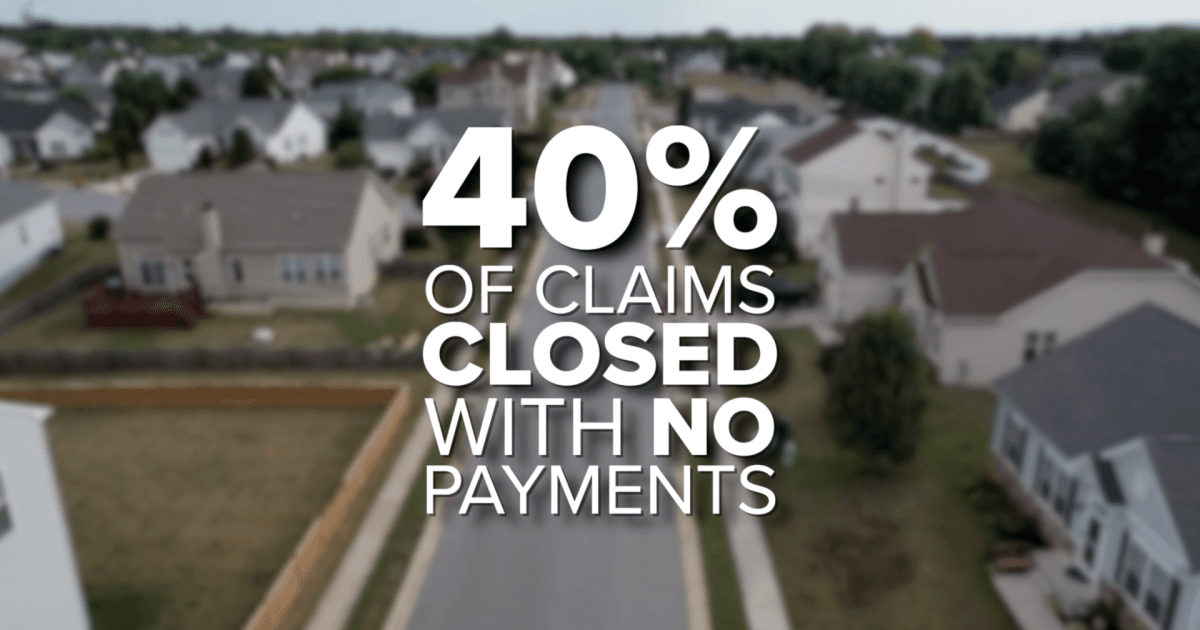
Florida homeowners are now paying an average of $5,838 per year for insurance — nearly $3,000 above the national average — making it one of the most expensive states in the country. As premiums continue to triple for some residents, many are being forced into tough decisions, from delaying home improvements to dropping coverage altogether. With more than 40% of claims closed with no payment and lawmakers pushing for aggressive reforms, the crisis is reshaping Florida’s housing market and placing growing pressure on real estate, mortgage, and insurance professionals statewide.
Griffin Funding has elevated John Jones to Senior Vice President of Growth and EOS Integrator, marking a major step in the company’s long-term expansion strategy. Already a key operational leader since April 2025, Jones will now drive performance optimization, market expansion, and leadership development as the lender pursues an ambitious goal of reaching $3 billion in annual non-QM loan volume by 2030. His promotion underscores Griffin Funding’s commitment to scaling strategically while strengthening its position in the fast-growing non-QM space.
Despite recent Federal Reserve rate cuts, commercial real estate remains frozen. Long‑term Treasury yields continue to climb, keeping borrowing costs high and preventing the relief investors expected. With nearly $1 trillion in commercial loans coming due, refinancing at today’s elevated rates is squeezing owners, slowing transactions, and creating a widening gap between buyers and sellers. For patient, well‑capitalized investors, this period of recalibration may offer some of the strongest opportunities in years.