New Orleans Triennial Positions the City as a Model for a Precarious, Adaptive Future
In the heart of New Orleans, a city renowned for its resilience and cultural vibrancy, the sixth edition of Prospect New Orleans unfolds as a powerful narrative of survival and adaptability. Co-curated by Miranda Lash and Ebony G. Patterson, this contemporary-art triennial reimagines New Orleans not as a city in need of rescue, but as a beacon of strength and foresight in the face of natural and social adversities.
The triennial’s theme, encapsulated in the title The Future Is Present, The Harbinger Is Home, challenges cities like New York and Los Angeles to learn from New Orleans’ model of sustainability. This artistic celebration positions New Orleans as a city already living in the future, where climate catastrophes and historical reckonings are not just anticipated but embraced as part of everyday life.
“This framework postulates New Orleans as already living in the future,” said Patterson during the exhibition’s opening. Lash added, “We want to show New Orleans as a gift and as a scout.” The exhibition, featuring 51 artists across 21 venues, highlights how contemporary art can serve as an engine of coping, rather than mere recovery.
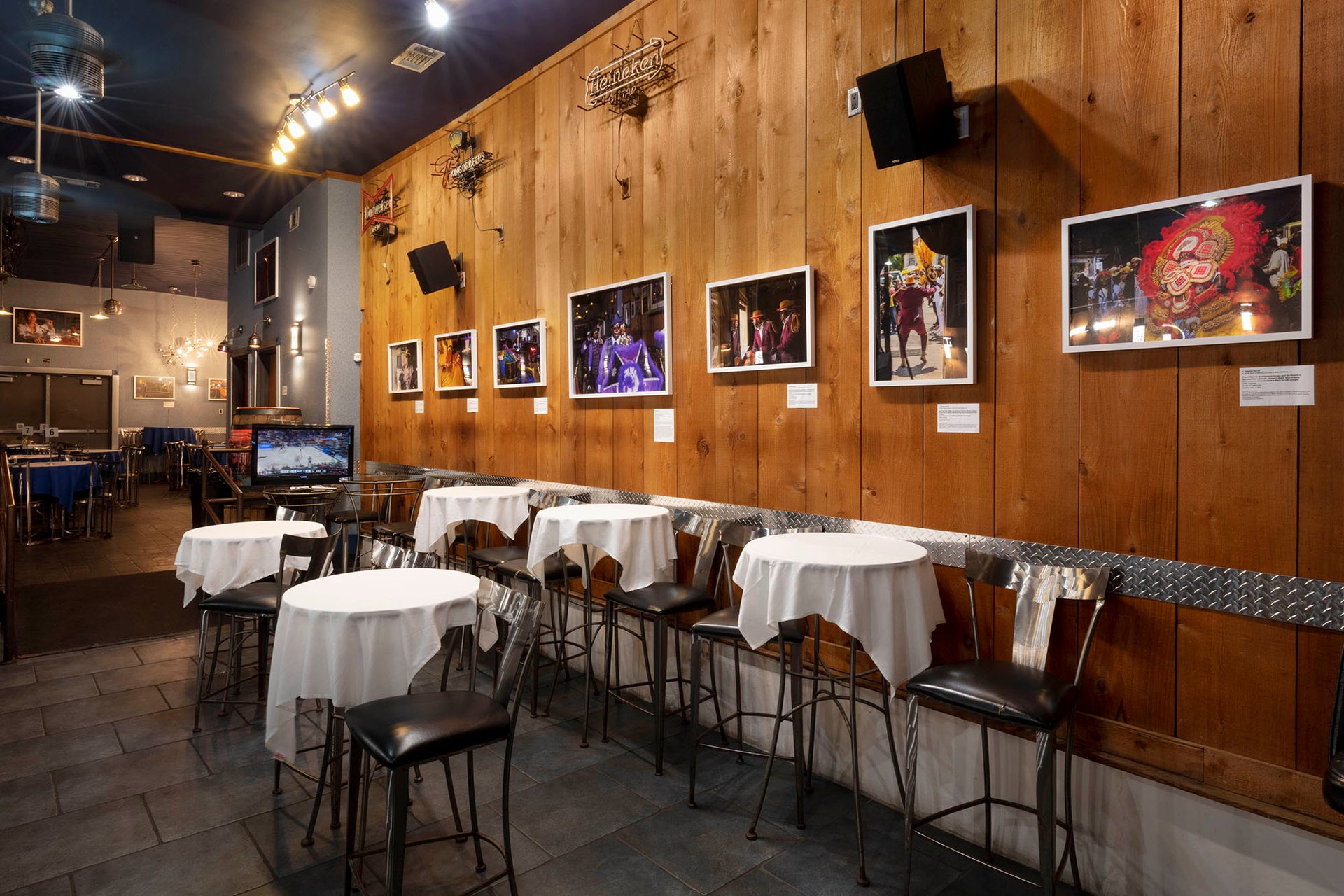
Several artists explore themes of adaptability and endurance through archival and documentary projects. L. Kasimu Harris, a New Orleans-based artist, documents the city’s Black-owned bars in his series Vanishing Black Bars & Lounges, capturing the essence of a community facing gentrification.
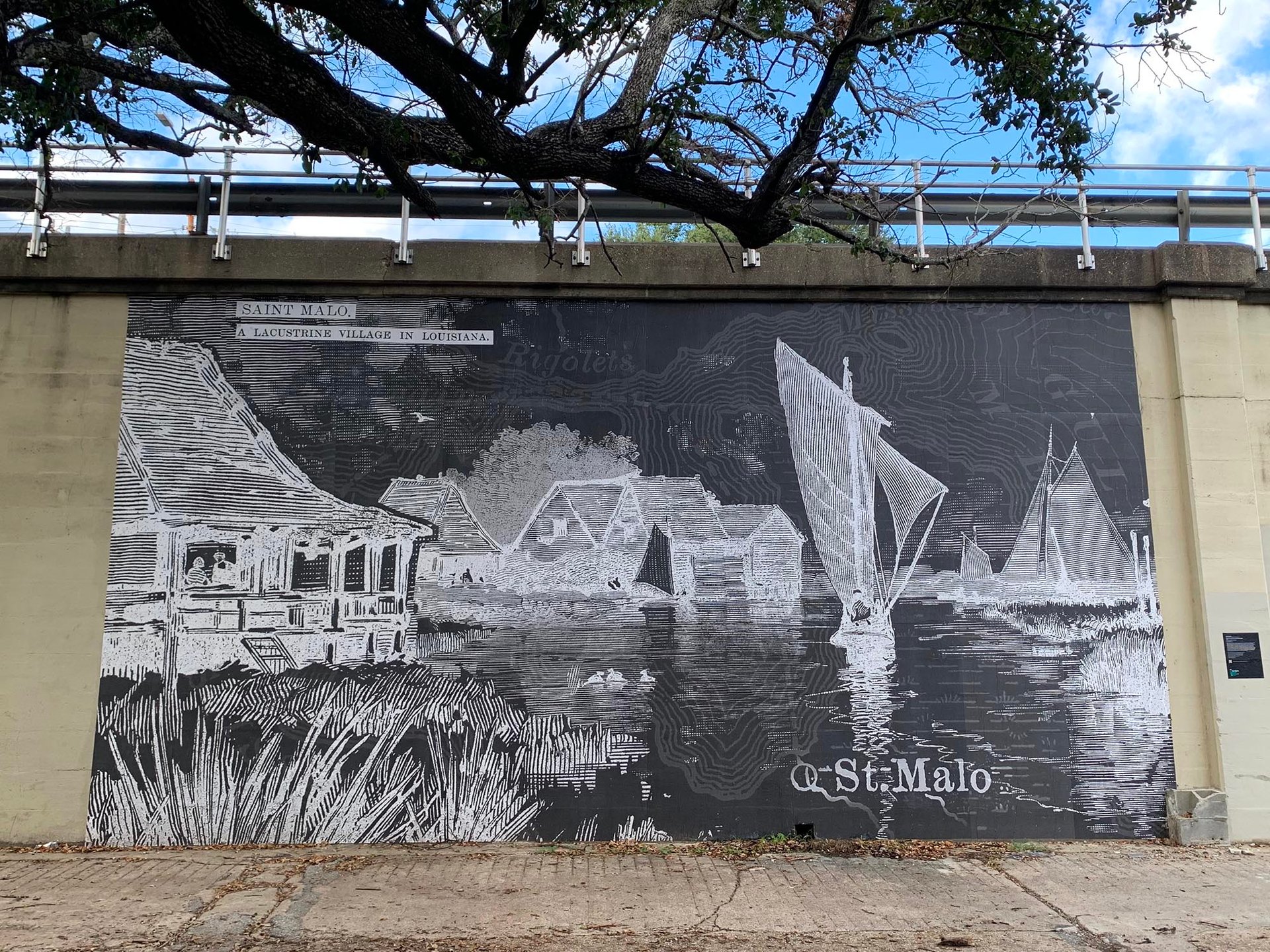
Stephanie Syjuco’s mural, Phantom Visions (The Lacustrine Village of St. Malo), draws on historical imagery to preserve the legacy of St Malo, Louisiana, the first permanent Filipino settlement in the US.
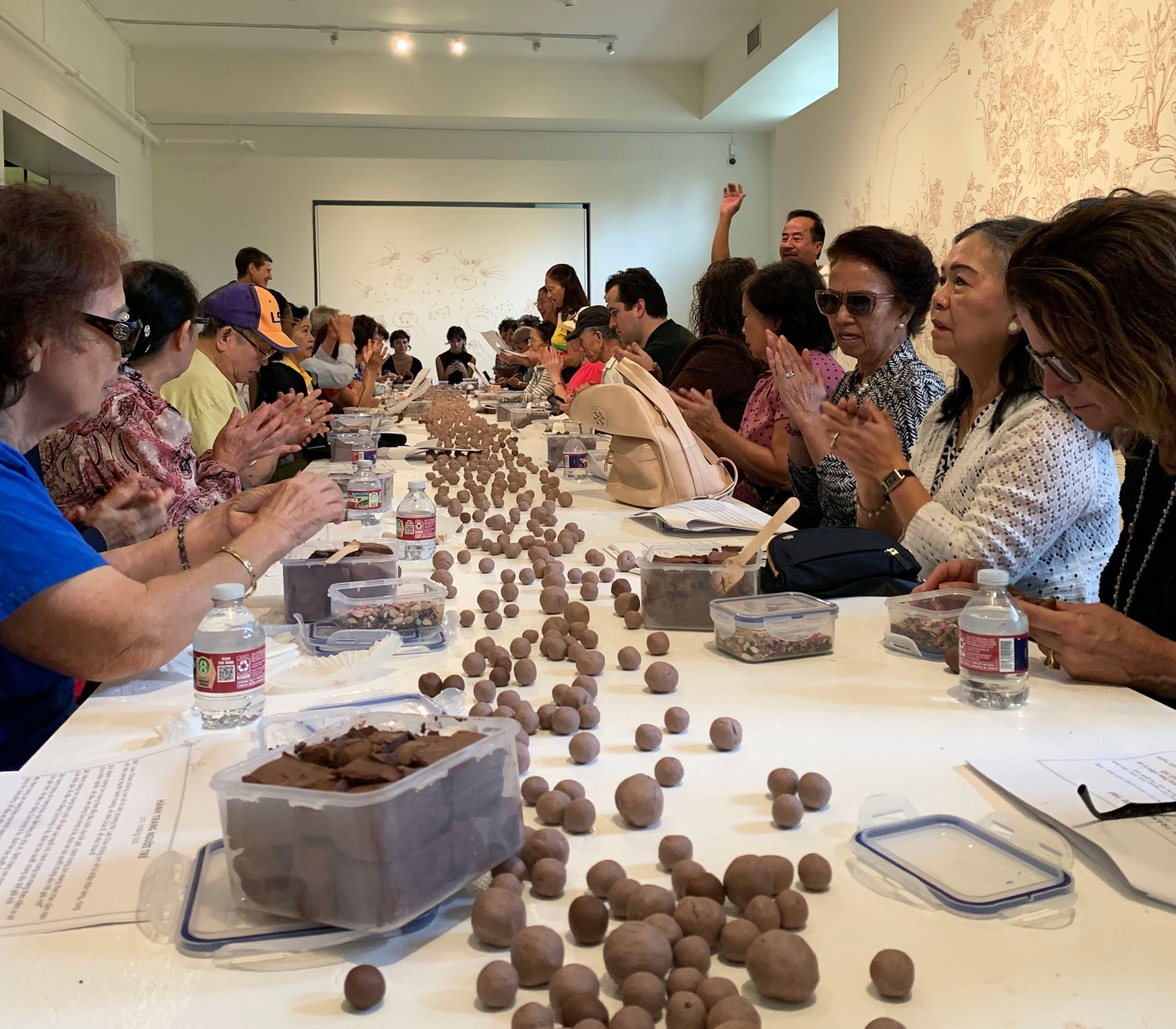
The exhibition also highlights Tuan Mami’s Seeding the Future, a collaborative project with New Orleans’ Vietnamese community, emphasizing community building through the act of planting seeds.
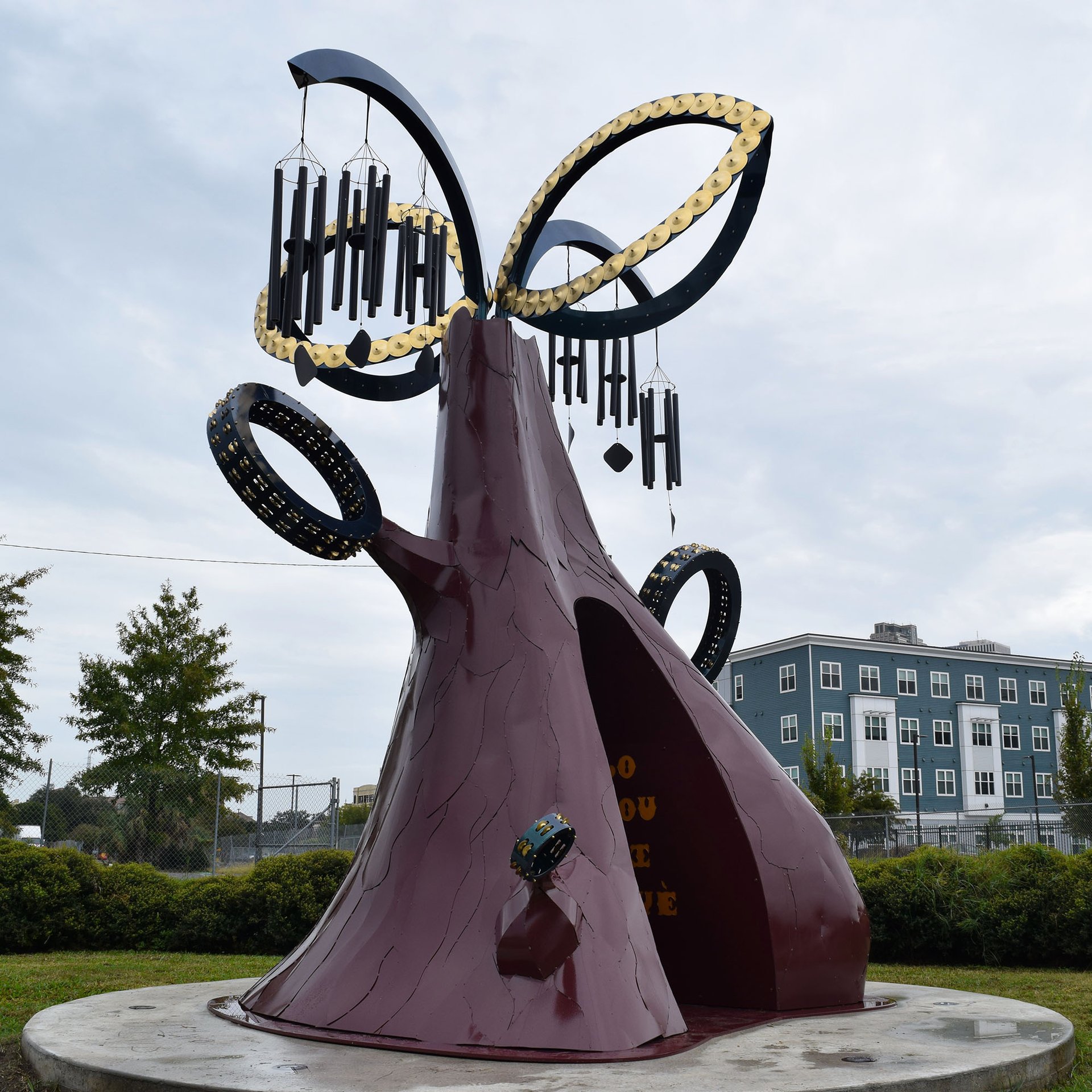
In a striking transformation, Raúl de Nieves reclaims a former Confederate monument as a tribute to New Orleans’ queer and Latinx communities, while Ashley Teamer’s Tambourine Cypress serves as a beacon for community connection.
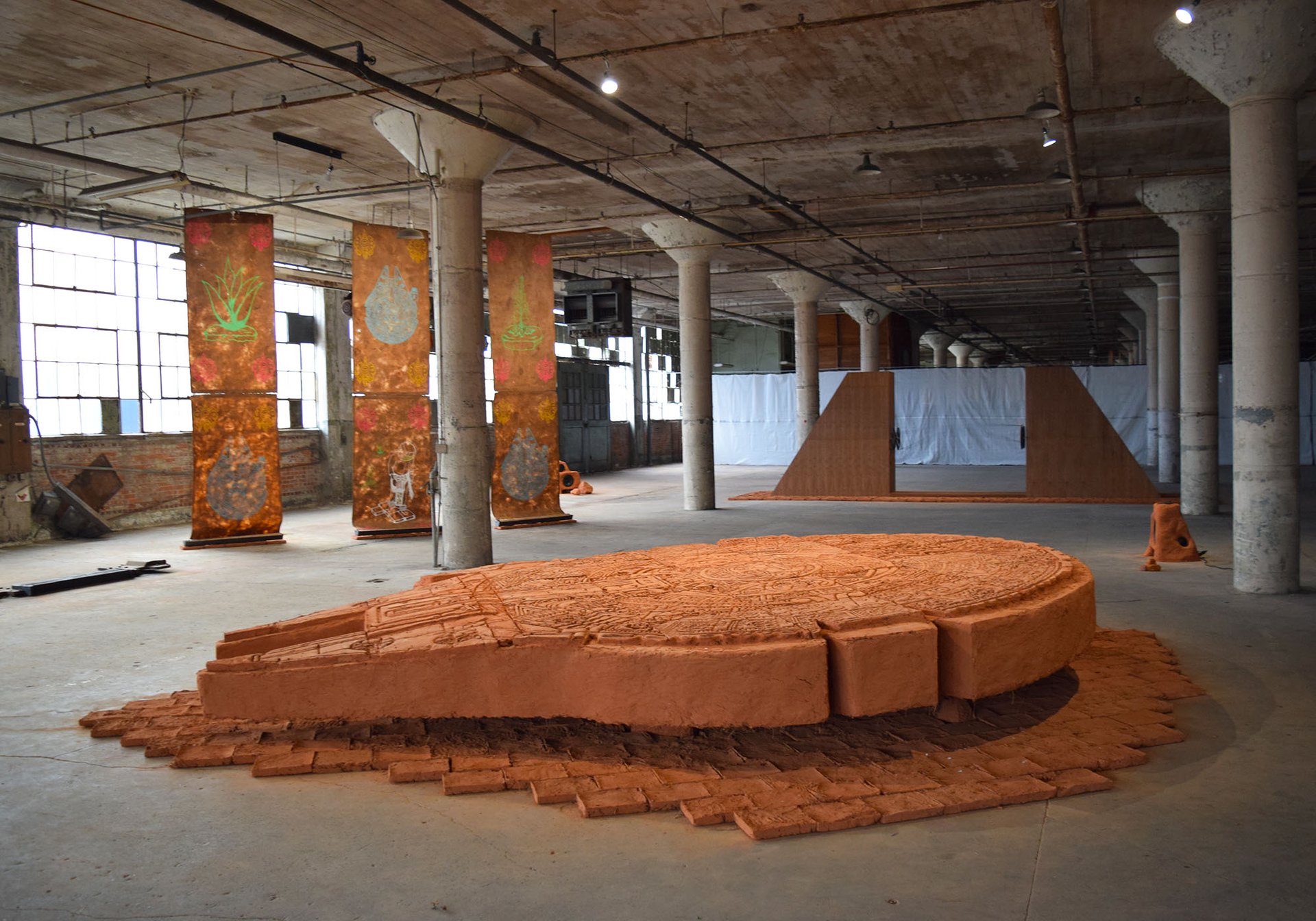
The triennial’s exploration of imagined futures continues at the Ford Motor Plant, where artists Zalika Azim, rafa esparza, and Dewey Tafoya blend futuristic and ancient iconographies in their collaborative work.
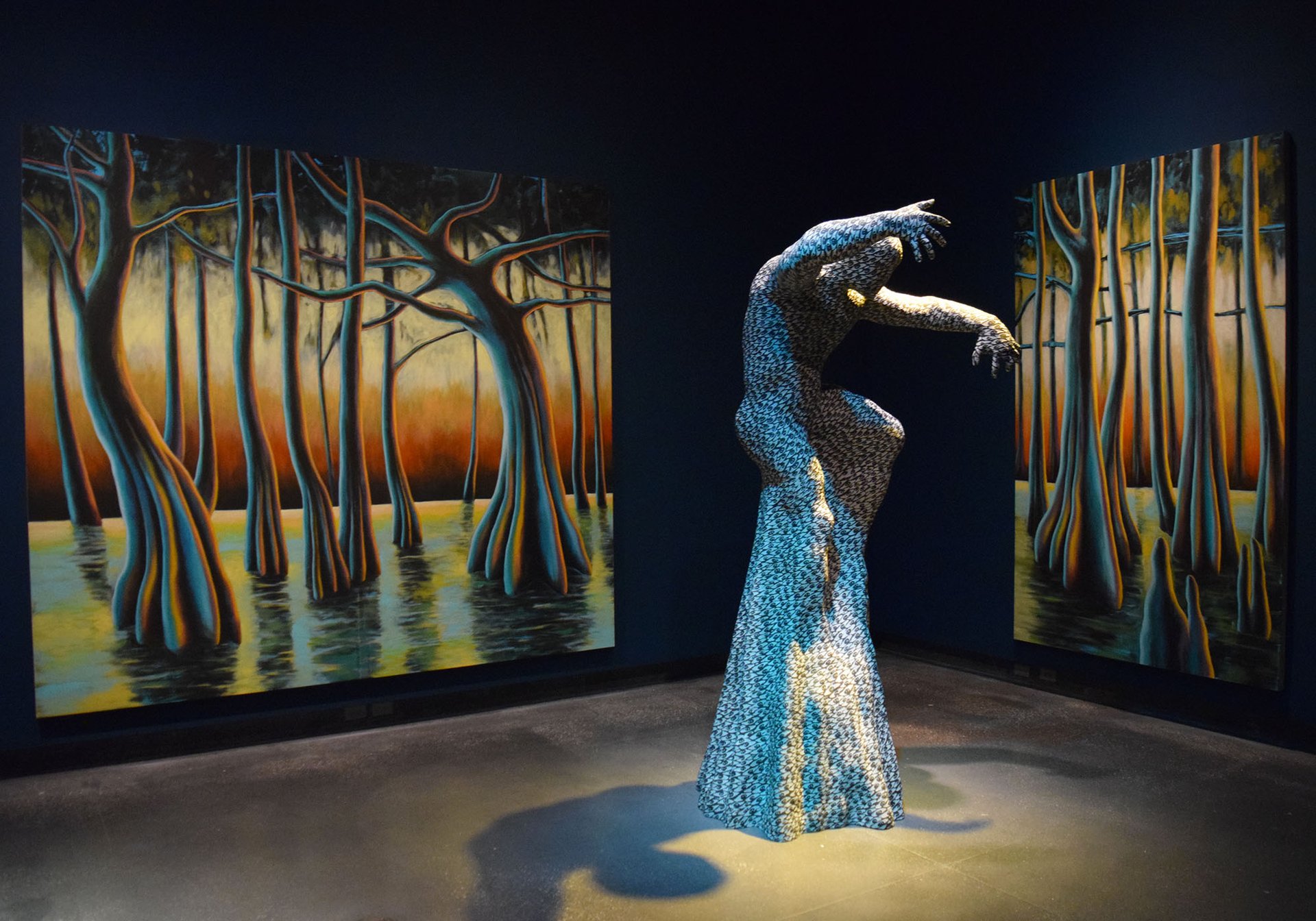
Didier William’s installation Gesture to Home at the Historic New Orleans Collection connects the artist’s Haitian roots with Louisiana’s history, using the region’s cypress trees as symbols of resilience.
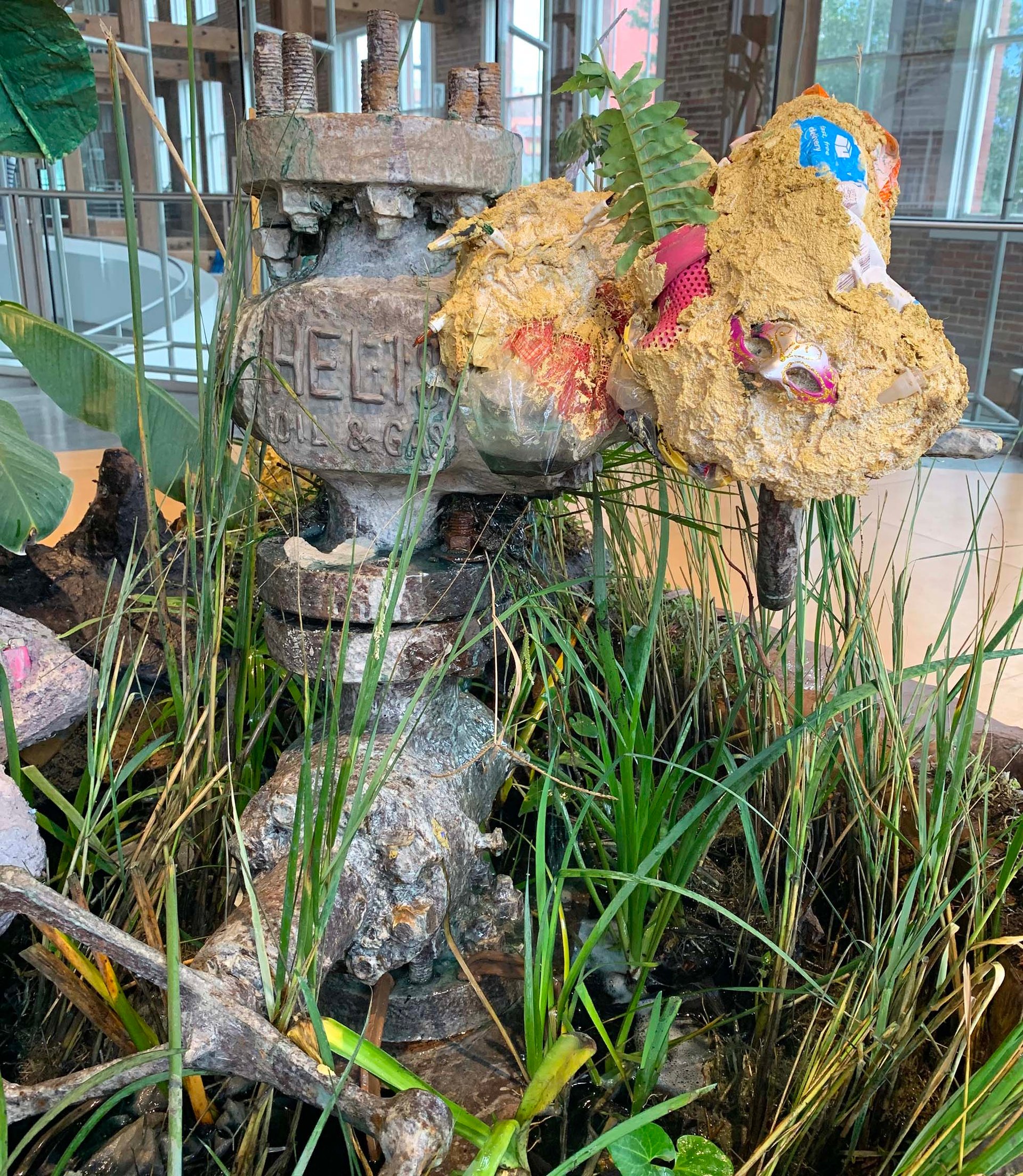
At the Contemporary Arts Center, Hannah Chalew’s Orphan Well Gamma Garden transforms Louisiana’s oil infrastructure into a commentary on environmental impact and cultural entrenchment.
From capturing community memories to envisioning possible futures, The Future Is Present, The Harbinger Is Home offers a compelling vision of resilience and adaptability, with New Orleans at its heart, leading the way forward.
More Articles
Getting licensed or staying ahead in your career can be a journey—but it doesn’t have to be overwhelming. Grab your favorite coffee or tea, take a moment to relax, and browse through our articles. Whether you’re just starting out or renewing your expertise, we’ve got tips, insights, and advice to keep you moving forward. Here’s to your success—one sip and one step at a time!
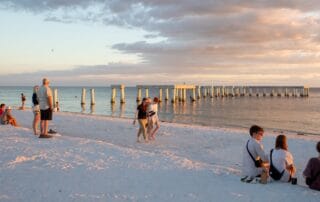
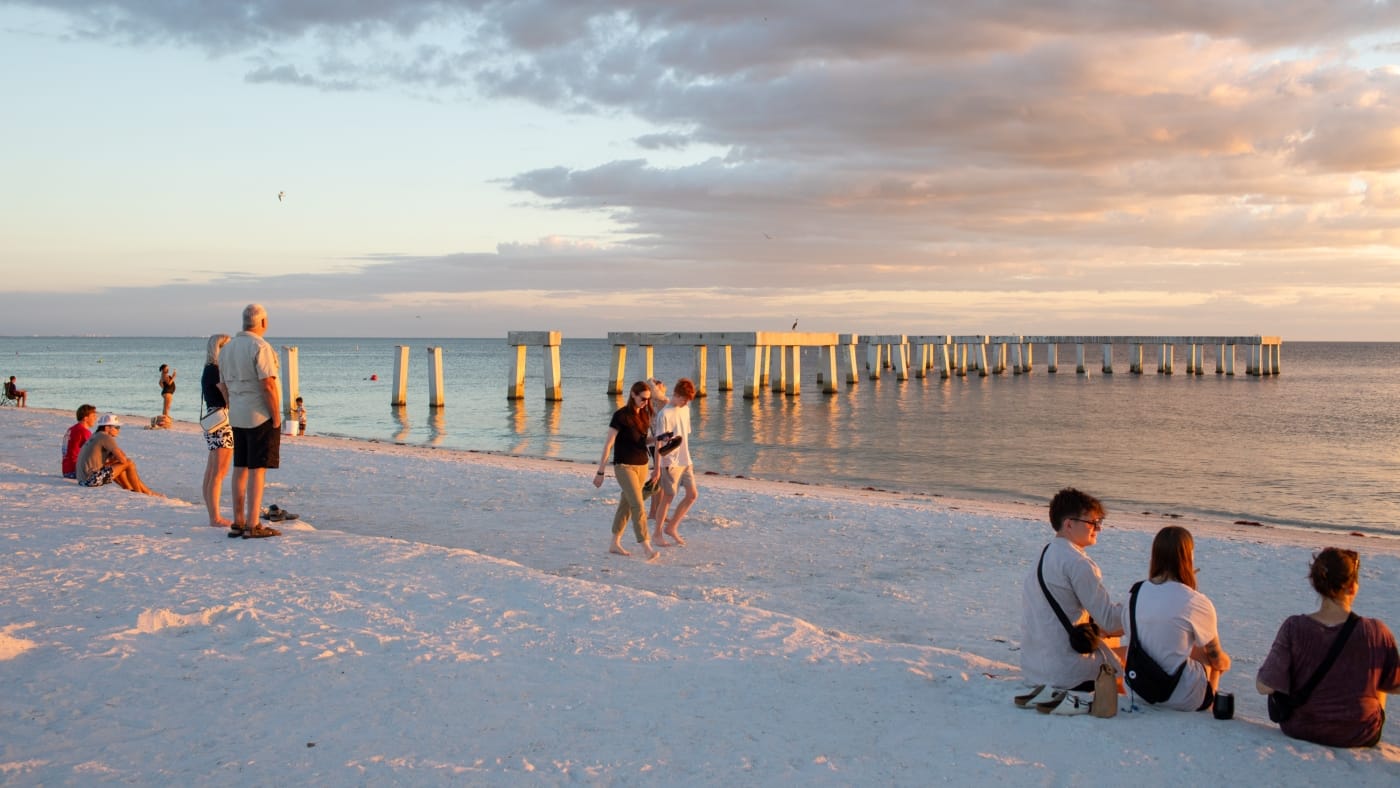
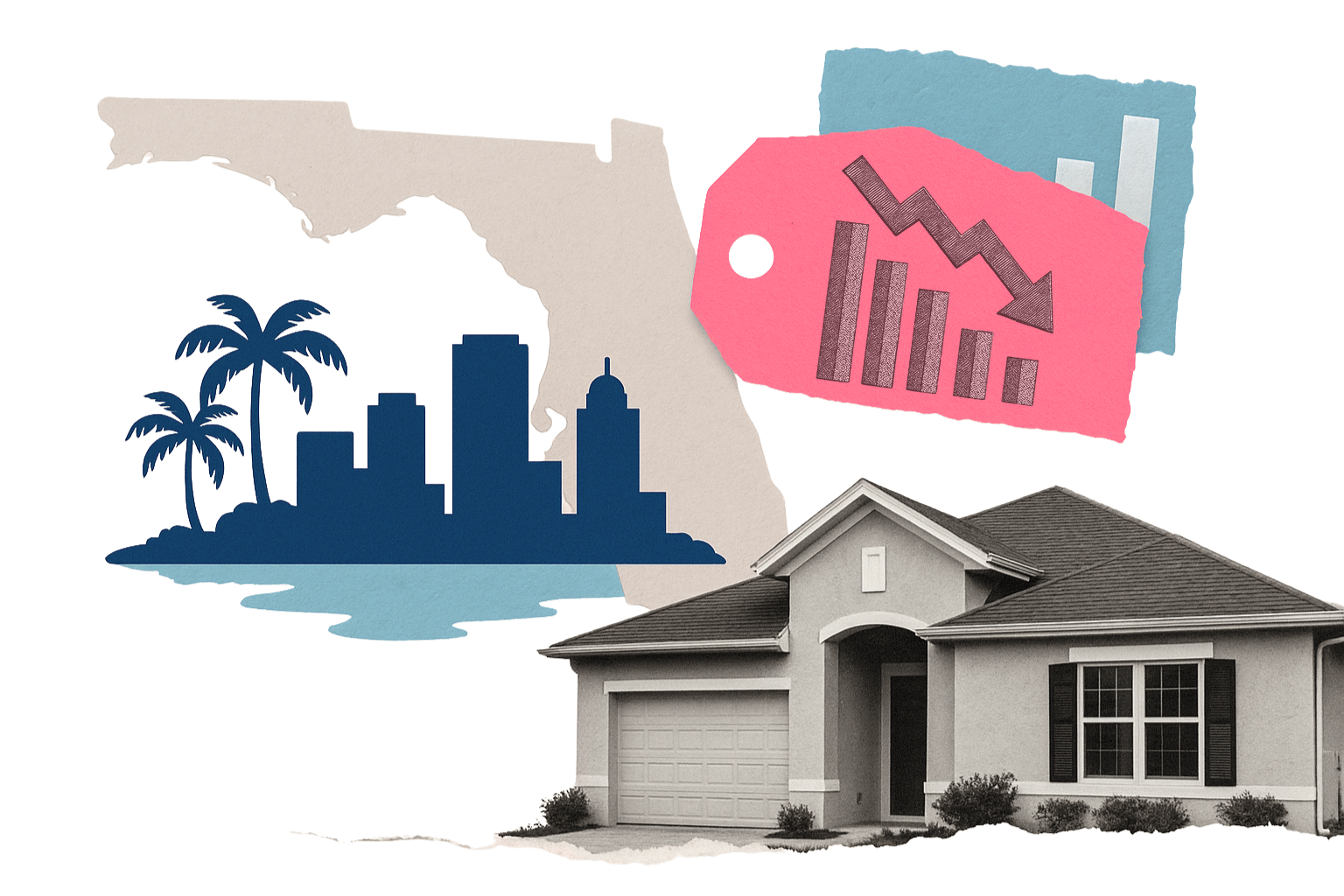
Fort Myers Beach is becoming the front line of a new Florida—one shaped by hurricane devastation, soaring insurance premiums, and rapid gentrification. Three years after Hurricane Ian, residents are still battling massive rebuilding costs and insurance bills that now exceed $5,700 a year on average, with flood insurance reaching $10,000 for some families. Long-time locals, small businesses, and service workers are being priced out as wealthy investors move in, transforming once-affordable coastal communities. Real estate professionals warn that foreclosures may rise if economic pressures continue, signaling a pivotal moment for Florida’s housing market and the professionals who serve it.
Economic uncertainty, AI disruption, slowing population growth, and rising portfolio risk are reshaping commercial real estate heading into 2026. A new report unveiled at NAR NXT highlights the forces that will reward informed professionals — and challenge those who aren’t prepared. From fiscal policy and shifting capital flows to tech transformation and housing shortages, the landscape is evolving fast. Cameron Academy breaks down the key issues so real estate, mortgage, finance, and insurance professionals can stay ahead of the curve.
A sudden federal shutdown of FEMA’s BRIC resiliency program has left cities and commercial property owners scrambling, exposing billions in real estate to rising climate threats. With nearly a billion dollars in mitigation funding clawed back and extreme weather intensifying, insurance premiums are expected to surge and coverage may shrink — placing new pressure on markets like Florida and New York.
A new Florida Senate bill aims to stop cities and counties from blocking residential developments over vague “compatibility” concerns. Supporters say the measure would speed up homebuilding and ease housing shortages, while opponents argue it strips communities of essential oversight and could accelerate growth without proper planning. The proposal could reshape development timelines and land-use decisions statewide, making it a major issue for real estate professionals to watch.
Cape Coral–Fort Myers has officially moved into buyer-friendly territory, with homes now sitting a median 119 days on the market—far longer than both the Florida and U.S. averages. Rising inventory, a 36.9 percent price‑reduction rate, and slower absorption compared to accumulated supply are giving buyers more leverage and time to negotiate, signaling a meaningful reset in this once‑fast‑moving Florida market.
Kansas City’s commercial real estate sector is finally turning a corner after several years of sluggish activity. Retail is leading the rebound, while multifamily and industrial properties are gaining traction as pricing stabilizes and buyer confidence returns. A standout 2025 transaction—the sale of the 380‑unit Cyan Southcreek community—signals that capital is flowing back into the market. With bid‑ask spreads tightening and investor optimism rising, Kansas City is entering a period of renewed opportunity for real estate professionals and investors alike.

 Florida’s Middle Class Is Being Squeezed Out: Insurance Costs, Rebuilding Struggles, and a Changing Coastline Gallery