On September 3, 2024, the Ministry of Finance unveiled a new draft law proposing amendments to the real estate tax (RET) regulations. This move, which is part of a concerted effort to address feedback from public consultations held over the summer, marks a significant shift in the fiscal landscape for businesses, particularly those in the energy sector.

The proposed legislative changes, set to take effect on January 1, 2025, aim to refine the definition of taxable ‘structures.’ The new definition explicitly includes only the building parts of photovoltaic (PV) farms, energy storage facilities, and standalone industrial facilities as liable for the 2% RET. This adjustment is expected to reduce tax burdens on elements previously deemed non-essential to construction under a broader interpretation.

In a departure from earlier drafts, the ambiguous concept of “technical-functional entirety” has been removed. Furthermore, “free-standing technical facilities permanently attached to the ground” have been exempted from RET responsibilities, signaling a commitment to fiscal continuity that primarily benefits renewable energy sectors.

The draft law also seeks to clarify the inclusion of “building facilities” under the RET scope, recognizing their role in ensuring the functional use of a building or structure. However, the broad definition might still lead to ambiguities in tax application, prompting businesses to seek further clarity.

To accommodate these changes, the deadline for filing RET returns for 2025 has been extended to March 31, 2025. This extension is designed to give taxpayers sufficient time to adapt to the new regulations and assess their impact on business operations.

The Ministry of Finance’s approach reflects a willingness to engage with stakeholders, incorporating demands from various industries. However, the broad definitions of ‘structure’ and ‘permanent attachment to the ground’ continue to present interpretational challenges, necessitating advisory consultations.

As the legislative process progresses, a resolution by the end of October is crucial to ensure industry compliance and the seamless integration of the updated RET framework into business strategies. The brief consultation period, concluding on September 9, 2024, is a pivotal phase for crystallizing stakeholder interests before government approval and parliamentary discussion.

Businesses are advised to proactively evaluate the implications of these legal reforms on their RET obligations and adjust their fiscal strategies accordingly. For further guidance, the Dentons Tax Team is available to provide comprehensive support and assistance.

This article highlights the dynamic interplay between legislative amendments and industrial adaptation, showcasing an evolving real estate tax landscape. For more details, you can read the original article on Dentons.

More Articles

Getting licensed or staying ahead in your career can be a journey—but it doesn’t have to be overwhelming. Grab your favorite coffee or tea, take a moment to relax, and browse through our articles. Whether you’re just starting out or renewing your expertise, we’ve got tips, insights, and advice to keep you moving forward. Here’s to your success—one sip and one step at a time!

Artificial Intelligence in Diagnostics: A Revolution in Healthcare

The global market for artificial intelligence in diagnostics is poised for remarkable growth, with projections estimating it to reach USD 7.3 billion by 2032.

By |December 10, 2024|Categories: Article, Artificial Intelligence, Healthcare|Tags: , |0 Comments

Revolutionizing Medical Education with Extended Reality

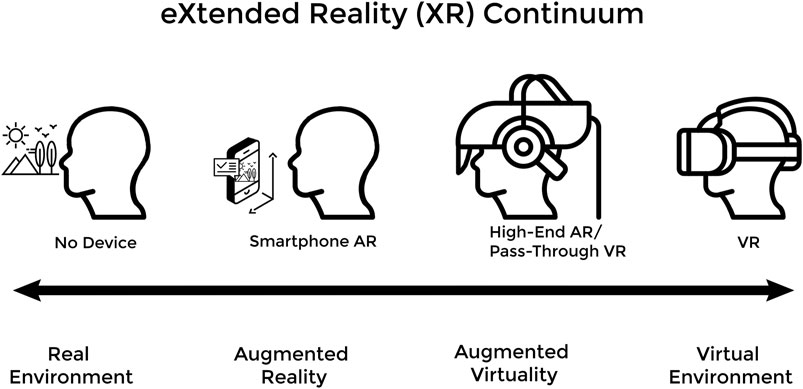
In the ever-evolving landscape of medical education, a new player has emerged, promising to revolutionize the way future doctors are trained. The integration of eXtended Reality (XR) technologies is reshaping the educational landscape by addressing the limitations of traditional methods.

Genetic Testing: A New Dawn in Healthcare

Genetic testing represents more than just a scientific advancement; it signifies a fundamental shift in how we approach health and wellness.

Sustainable Architecture: Blending Innovation with Ecological Responsibility

The journey toward sustainable architecture is ongoing, with each project serving as a beacon of what's achievable when creativity meets ecological awareness.

By |December 9, 2024|Categories: Architecture, Article, Sustainability|Tags: |0 Comments

AI in Clinical and Molecular Diagnostics: A Market on the Rise

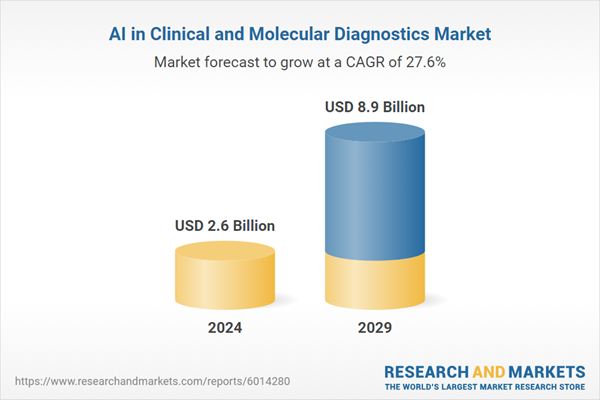
AI in Clinical and Molecular Diagnostics Market is set to experience remarkable growth, projected to surge from USD 2.6 billion in 2024 to USD 8.9 billion by 2029. This growth is driven by the integration of advanced AI technologies such as machine learning and deep learning into traditional diagnostic methodologies like imaging, genomics, and laboratory testing.

AI: A Revolution in Healthcare’s Future

AI is not a distant dream but a present reality, already integrated into everyday life through virtual assistants like Alexa and Siri. AI shows promise in enhancing medical accuracy, such as in predicting mesothelioma survival and improving colonoscopy accuracy, it is not intended to replace healthcare professionals.