On September 3, 2024, the Ministry of Finance unveiled a new draft law proposing amendments to the real estate tax (RET) regulations. This move, which is part of a concerted effort to address feedback from public consultations held over the summer, marks a significant shift in the fiscal landscape for businesses, particularly those in the energy sector.

The proposed legislative changes, set to take effect on January 1, 2025, aim to refine the definition of taxable ‘structures.’ The new definition explicitly includes only the building parts of photovoltaic (PV) farms, energy storage facilities, and standalone industrial facilities as liable for the 2% RET. This adjustment is expected to reduce tax burdens on elements previously deemed non-essential to construction under a broader interpretation.

In a departure from earlier drafts, the ambiguous concept of “technical-functional entirety” has been removed. Furthermore, “free-standing technical facilities permanently attached to the ground” have been exempted from RET responsibilities, signaling a commitment to fiscal continuity that primarily benefits renewable energy sectors.

The draft law also seeks to clarify the inclusion of “building facilities” under the RET scope, recognizing their role in ensuring the functional use of a building or structure. However, the broad definition might still lead to ambiguities in tax application, prompting businesses to seek further clarity.

To accommodate these changes, the deadline for filing RET returns for 2025 has been extended to March 31, 2025. This extension is designed to give taxpayers sufficient time to adapt to the new regulations and assess their impact on business operations.

The Ministry of Finance’s approach reflects a willingness to engage with stakeholders, incorporating demands from various industries. However, the broad definitions of ‘structure’ and ‘permanent attachment to the ground’ continue to present interpretational challenges, necessitating advisory consultations.

As the legislative process progresses, a resolution by the end of October is crucial to ensure industry compliance and the seamless integration of the updated RET framework into business strategies. The brief consultation period, concluding on September 9, 2024, is a pivotal phase for crystallizing stakeholder interests before government approval and parliamentary discussion.

Businesses are advised to proactively evaluate the implications of these legal reforms on their RET obligations and adjust their fiscal strategies accordingly. For further guidance, the Dentons Tax Team is available to provide comprehensive support and assistance.

This article highlights the dynamic interplay between legislative amendments and industrial adaptation, showcasing an evolving real estate tax landscape. For more details, you can read the original article on Dentons.

More Articles

Getting licensed or staying ahead in your career can be a journey—but it doesn’t have to be overwhelming. Grab your favorite coffee or tea, take a moment to relax, and browse through our articles. Whether you’re just starting out or renewing your expertise, we’ve got tips, insights, and advice to keep you moving forward. Here’s to your success—one sip and one step at a time!

Building an Integrated Approach to Real Estate Sustainability

Nearly 60% of global real estate CFOs lack the necessary data, processes, or internal controls to comply with current environmental regulations.

The Blockchain Revolution: Building the Future of Finance with DeFi

DeFi emerges as a beacon of transformation, promising to revolutionize how we interact with money. DeFi stands at the forefront, offering instant, transparent transactions without the constraints of conventional banking systems. This new paradigm opens doors to innovative investment opportunities and fosters a more inclusive global economy.

By |December 8, 2024|Categories: Article, Finance, Technology|Tags: , |0 Comments

Artificial Intelligence: A New Frontier in Neurological Care

AI's integration into neurology is not just a fleeting trend; it's a significant shift in how healthcare professionals approach complex neurological disorders.

By |December 8, 2024|Categories: Article, Healthcare, Technology|Tags: , |0 Comments

Celebrating Commitment to Physician Well-being

The American Medical Association (AMA) has recognized 62 health care organizations through its Joy in Medicine™ Health System Recognition Program. These organizations, representing over 140,000 physicians, have been acknowledged for their innovative strategies aimed at reducing stress and enhancing mental health among doctors.

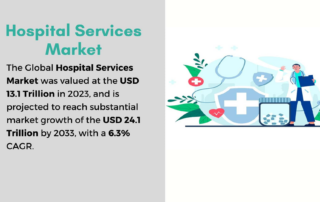
Global Hospital Services Market Set for Substantial Growth

The global hospital services market is undergoing a significant transformation, with projections indicating robust growth over the next decade. As of 2023, the market was valued at USD 13.1 trillion and is expected to soar to an impressive USD 24.1 trillion by 2033, boasting a compound annual growth rate (CAGR) of 6.3%. This optimistic forecast, reported by Market.us Media, is driven by advancements in medical technology, increased healthcare expenditures, and the rising prevalence of chronic diseases.

By |December 7, 2024|Categories: Article, Healthcare, Market Analysis|Tags: , |0 Comments

Unlocking the Potential of Modular Construction in Ontario’s Housing Market

In the bustling realm of Ontario's housing market, modular construction is emerging as a beacon of hope amid a pressing demand for new homes.


By |December 7, 2024|Categories: Article, Construction, Technology|Tags: , |0 Comments