In the bustling metropolis of New York City, the commercial real estate sector is teetering on the brink of a crisis reminiscent of the 1970s. Professor Stijn Van Nieuwerburgh, a Columbia Business School expert famously dubbed the “prophet of urban doom” by The New York Times, has issued a stark warning: the city may be entering the dreaded “doom loop.” This term, rooted in economic theory, describes a self-perpetuating cycle of decline that could ensnare the city if no substantial changes occur. New york city commercial real estate downturn Office Vacancies and Economic Impact
The rise of remote work, accelerated by the COVID-19 pandemic, has left a significant mark on urban office spaces. In New York City, office vacancies have soared to unprecedented levels, with nearly 20% of spaces sitting empty. This vacancy rate not only hemorrhages potential revenue but also shrinks the city’s tax base, a concern echoed in Colliers’ report.
Van Nieuwerburgh warns that the repercussions of these vacancies could extend far beyond real estate. The anticipated decline in tax revenue may force the government to cut spending on essential services such as transportation, education, and sanitation, making urban living less attractive and potentially driving residents to relocate to states with more favorable tax environments.
Changing Office Space Preferences
As companies adapt to new work paradigms, the demand for office spaces has shifted. Businesses are now seeking smaller, modern offices equipped with amenities to entice employees back to in-person work. This trend, as noted by Fred Cordova, CEO of real estate consultancy Corion Enterprises, is putting pressure on traditional office buildings, many of which face refinancing challenges due to expiring loans from the post-financial crisis era.
Banking Sector Vulnerabilities
The banking sector, particularly smaller regional banks, is heavily exposed to the commercial real estate market. According to Van Nieuwerburgh, these banks hold a significant portion of the $6 trillion in commercial real estate debt in the United States. With the potential for rising vacancies and declining property values, these financial institutions could face severe instability unless market conditions improve.
Potential Solutions and the Path Forward
To avoid the grim scenario outlined by Van Nieuwerburgh, substantial policy interventions are necessary. These could include strategic investments in public infrastructure and incentives to attract businesses back to urban centers. Without decisive action, the city risks entering a cycle of economic decline, echoing the fiscal challenges of the 1970s.
As New York City stands at this critical juncture, the insights from Fortune’s detailed analysis serve as a clarion call for city leaders and stakeholders to address these pressing challenges head-on.

More Articles

Getting licensed or staying ahead in your career can be a journey—but it doesn’t have to be overwhelming. Grab your favorite coffee or tea, take a moment to relax, and browse through our articles. Whether you’re just starting out or renewing your expertise, we’ve got tips, insights, and advice to keep you moving forward. Here’s to your success—one sip and one step at a time!

Qubetics Presale Triumph and Digital Finance Innovations

As the digital finance landscape evolves, Qubetics emerges as a formidable player, captivating the crypto community with its impressive presale success.

By |October 15, 2024|Categories: Article, Cryptocurrency, Finance|Tags: , |0 Comments

Investing Like Trump: A Modern Approach to Wealth Building

In the world of high-stakes investing, few figures are as iconic as Donald Trump. Known for his real estate empire and ventures into entertainment, Trump has built a legacy of wealth that many aspire to emulate. But in today's economic climate, with interest rates soaring, how can one invest like Trump?

By |October 15, 2024|Categories: Article, Finance, Real Estate Investing|Tags: , |0 Comments

The Federal Reserve’s Rate Cut: Implications for the Housing Market

The Federal Reserve recently announced a significant interest rate cut by half a percentage point. The expectation is that mortgage rates might hover around 6.2% by year-end, with a potential decrease to 5.5% by the end of 2025.

By |October 15, 2024|Categories: Article, Housing Market, Interest Rates|Tags: |0 Comments

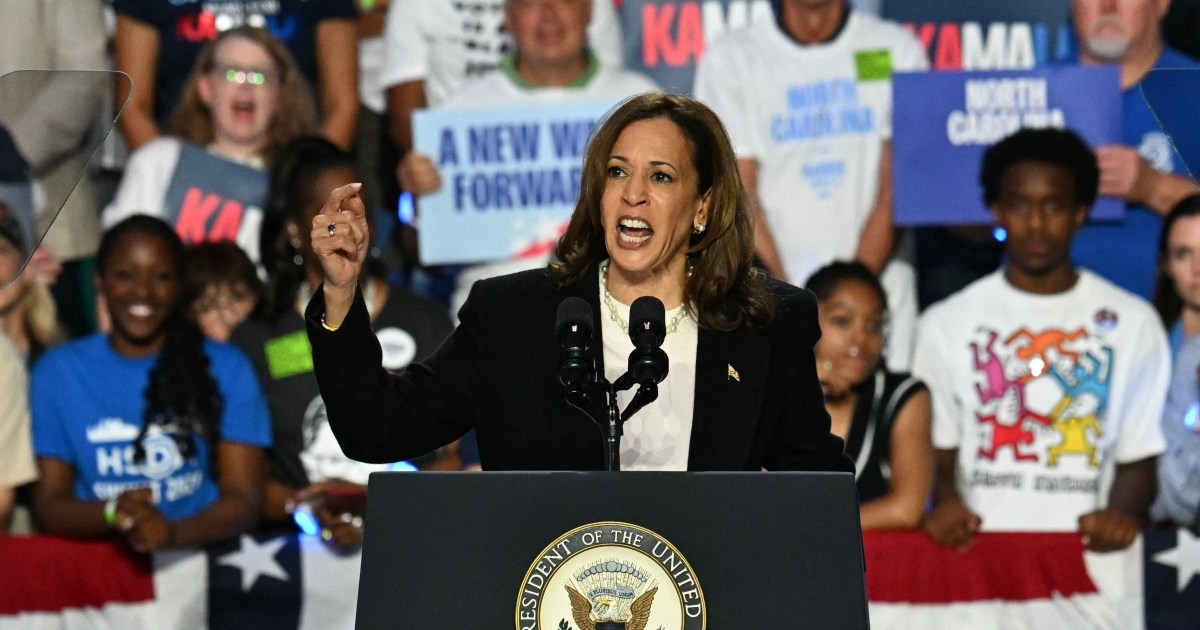
Kamala Harris Challenges Trump’s Business History with Small Business Tax Deduction Proposal

Harris unveiled her proposal for a $50,000 tax deduction aimed at small business startups. She then took a direct jab at Trump, asserting, “You know, not everybody started out with $400m on a silver platter and then filed for bankruptcy six times.”

By |October 15, 2024|Categories: Article, Business, Politics|Tags: |0 Comments

Understanding the 2008 Housing Market Crash: A Retrospective

The housing market crash of 2008 reshaped the global economy, triggered by subprime mortgages, predatory lending, and lack of financial regulation, leading to a global economic recession.

By |October 15, 2024|Categories: Article, Economics, Real Estate|Tags: , |0 Comments

Evolving Dynamics in the Housing Market: What Homebuyers Need to Know

"While the current market offers opportunities, it is also fraught with complexities. Navigating this landscape requires careful consideration and informed decision-making to ensure that both buyers and sellers can achieve their real estate goals."

By |October 15, 2024|Categories: Article, Housing Market Trends, Real Estate|Tags: , |0 Comments