Northwest Austin Braces for a Massive Transformation at Former 3M Campuses

Austin’s northwest corridor is on the cusp of a development wave that could redefine the region for decades. Two former 3M campuses—landmarks once buzzing with manufacturing and tech energy—are now being reimagined into dynamic mixed‑use communities led by Karlin Real Estate. And if early plans hold true, this makeover won’t just shift land use; it will reshape lifestyles.

Community meeting site plan review

The Vision: Turning Acres Into Opportunity

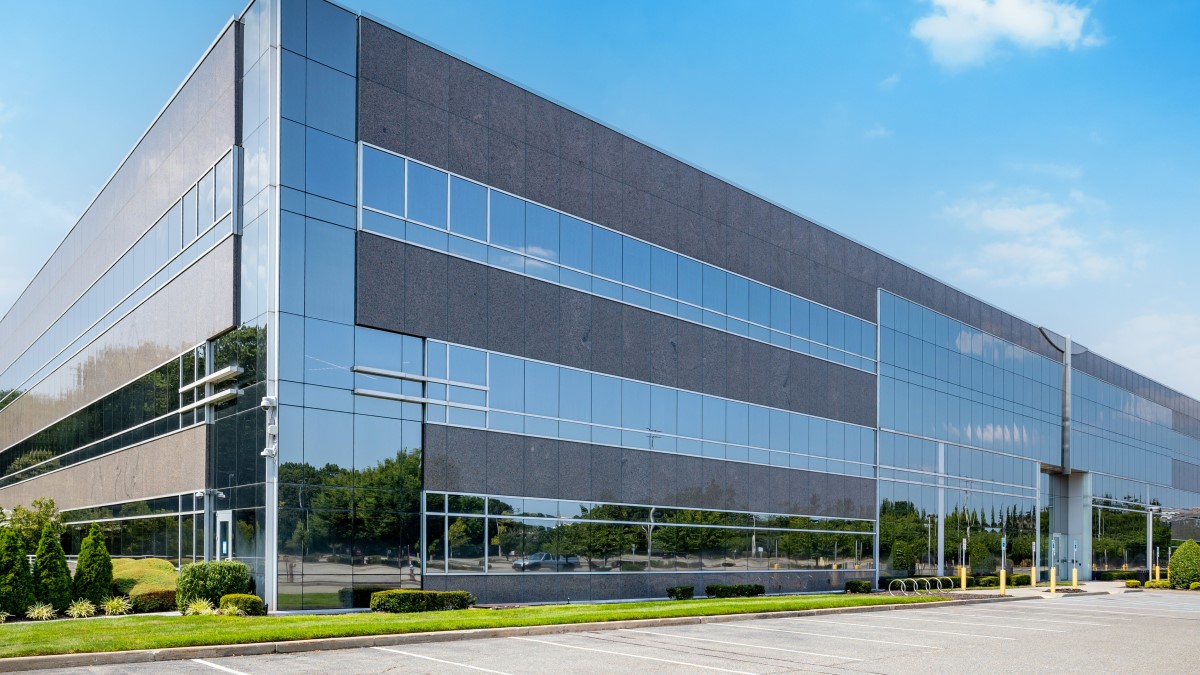
Karlin Real Estate, known for bold repositioning strategies, is setting out to revitalize two large former 3M properties—one off Research Boulevard (the Duval site) and the other off River Place Boulevard, now branded as Highpoint 2222. Together, these developments promise a strategic blend of office, retail, residential, and green space that could completely modernize the River Place corridor.

The Highpoint 2222 site alone spans 154 acres and features over 1 million sq. ft. of freshly renovated office space, ready for tech and life‑science innovators.

What’s Being Proposed?

While Karlin and local leaders continue to refine the blueprint, early plans highlight a powerful mix of new opportunities:

1.1 million sq. ft. of office and lab space (already completed)
• Up to 65,000 sq. ft. of retail
• As many as 1,250 multifamily homes rising up to four stories
• Nearly 9 acres of community green space

Community Voices Shape the Blueprint

Perhaps the most compelling part of this redevelopment is how deeply community‑driven the process has become. The 2222 Coalition of Neighborhood Associations (2222 CONA) has worked closely with Karlin for over three years, holding 18 meetings and collecting more than 500 resident insights through surveys and open houses.

As 2222 CONA President Linda Bailey aptly put it, “The community wants certainty and the developer wants flexibility—so where do those two things meet?

Major topics on the table include traffic concerns, environmental protections, and the extent of development density. With an estimated 18,000 additional daily vehicle trips expected, residents are urging early upgrades to traffic lights and lane systems to support the transition.

Why Mixed‑Use Makes Sense Right Now

Aquila Commercial reports that Highpoint 2222 is currently the largest available office inventory in Northwest Austin, topping 1.18 million sq. ft. But slow pre‑leasing trends citywide are prompting developers to rethink the traditional office‑only approach and lean into mixed‑use designs.

Senior VP Max McDonald explains that combining office with multifamily, retail, or hotel uses offers greater flexibility and stability, especially as speculative office builds become less common.

A Wider Development Ripple Across the Corridor

The redevelopment of these former 3M campuses is sparking a much broader transformation along the River Place and RM 2222 corridor. Other projects include:

  • River Place Corporate Park’s zoning amendment to allow 330 multifamily units and expanded recreation
  • Preserve at 620’s expansion with new office and community offerings such as The Picklr
  • A revised Duval campus plan reducing office space dramatically in favor of 1,200 new multifamily units and streamlined commercial development

What Comes Next?

2222 CONA is preparing its next survey summary for Karlin, District 10 leadership, and city staff. A large public meeting is slated for early 2026 to update residents on environmental protections, traffic phasing, density negotiations, and amenity planning.

One thing is certain: Northwest Austin is stepping boldly into a new era—one shaped by transparent dialogue, forward‑thinking planning, and a shared vision for community‑centric development.

Inspired by fast‑changing development trends? Whether you’re in real estate, planning, or launching a new professional path, Cameron Academy helps you stay ahead. Explore licensing and career‑boosting programs at CameronAcademy.com.

Source: Community Impact

More Articles

Getting licensed or staying ahead in your career can be a journey—but it doesn’t have to be overwhelming. Grab your favorite coffee or tea, take a moment to relax, and browse through our articles. Whether you’re just starting out or renewing your expertise, we’ve got tips, insights, and advice to keep you moving forward. Here’s to your success—one sip and one step at a time!

Long Island Sets New Commercial Real Estate Record with $4.1 Billion in 2025 Deals

Long Island’s commercial real estate market just smashed every previous record, hitting an unprecedented $4.1 billion in 2025 deal volume—up a massive 71.5 percent from the year before. A surge in specialty-use properties like assisted living centers and self-storage facilities fueled the boom, alongside hundreds of new transactions across Nassau and Suffolk counties. With investor confidence rebounding, interest rates easing, and new buyer profiles entering the scene, the region has become one of the hottest real estate markets to watch.

Federal Housing Rollbacks Ignite a State‑by‑State Regulatory Power Shift

Federal cuts to housing oversight in 2026 are creating a nationwide regulatory scramble, with states—especially California—rapidly stepping in to fill the gap. As the CFPB reduces its enforcement role, lawmakers and agencies across the country are crafting their own rules on mortgage compliance, consumer protection, affordability, and even AI‑driven underwriting. For real estate, mortgage, and finance professionals, the message is clear: state regulations are becoming just as influential as federal policy, making ongoing education and compliance awareness more critical than ever.

Inside the $172 Million Battle: How Insurance Lobbying Is Shaping 2025

The insurance industry poured an eye‑opening $172 million into federal lobbying in 2025, making it the fourth‑largest lobbying sector in the country. Medical insurers led the spending, but property and casualty giants weren’t far behind, with APCIA, Nationwide, Liberty Mutual, and Allstate all landing among the top contributors. And this is only federal spending—state‑level influence, where regulations are truly shaped, remains vastly underreported. For professionals in insurance, real estate, and finance, these lobbying efforts play a powerful role in shaping regulations, costs, and the competitive landscape.

Florida’s Home Insurance Shake‑Up: Why a 3.35% Non‑Renewal Rate Left Hundreds of Thousands Without Coverage

Florida’s home insurance market saw a 3.35% non-renewal rate last year—a small percentage that translated into hundreds of thousands of homeowners suddenly losing coverage. Driven by repeated storm damage, soaring construction costs, heavy litigation, and insurers pulling back from high-risk areas, the state’s insurance landscape is rapidly shifting. Homeowners now face higher premiums, fewer options, and tougher underwriting, while professionals in real estate, mortgage, and insurance must stay informed to guide clients through a tightening market.

Florida’s Tort Reforms Slash Insurance Costs and Spark a Multi‑Billion‑Dollar Economic Boost

Florida’s recent tort reforms are doing far more than reshaping the state’s legal system—they’re driving down property and casualty insurance costs by an average of 14.5% and injecting over $4.2 billion into the state’s economy each year. With nearly 30,000 jobs supported and state and local governments seeing hundreds of millions in new tax revenue, the changes are already transforming Florida’s insurance market. Lawsuits have dropped, insurers are returning, and businesses and homeowners alike are reaping the benefits of a more balanced, competitive, and financially resilient environment.

Commercial Real Estate Rebounds as AI Anxiety Sends Mixed Signals Through the Industry

Major commercial real estate firms are reporting strong revenue and renewed market activity, signaling a rebound in dealmaking and office demand. Yet even with record earnings, CEOs from CBRE, Colliers, and Marcus & Millichap spent much of their earnings calls addressing a growing concern: whether artificial intelligence could threaten traditional brokerage and valuation roles. While leaders insist that complex transactions still rely on human relationships and negotiation, AI‑related market jitters briefly pushed some CRE stocks down before they recovered.