Spotify, the Swedish audio streaming giant, is under scrutiny for its impact on the music industry. As detailed in Liz Pelly’s critical examination, “Mood Machine: The Rise of Spotify and the Costs of the Perfect Playlist,” Spotify’s algorithms are reshaping music consumption by prioritizing passive listening over artistic creativity. This shift has significant implications for musicians and the future of music as a whole.
In her book, Pelly explores how Spotify’s business model is driven by commercial motives, focusing on creating seamless background music experiences rather than promoting individual artistry. The platform’s founders, Daniel Ek and Martin Lorentzon, originally approached Spotify as a business opportunity rather than a passion for music, leveraging their expertise in search engine optimization and advertising.
Spotify’s strategy has led to the rise of “lean-back listening,” where users engage with music as a background experience. This approach has allowed brands and labels to create playlists tailored to specific moods and occasions, often at the expense of genuine musical artistry. Pelly highlights how this dynamic forces musicians to produce content that fits into predetermined playlists, thus commodifying art.
The book also addresses concerns about digital privacy, such as Spotify’s patented emotion detection technology, which could potentially be used for surveillance. This raises questions about the ethical implications of data collection and its impact on user privacy.
Pelly argues for a reevaluation of the music streaming industry’s profit-driven motives and calls for alternative models that prioritize artist empowerment. She suggests that buying music directly from artists and independent labels could support a more ethical and sustainable music ecosystem.
For more insights, you can read the original article on the Financial Express website.

Key Takeaways

  • Passive Listening: Spotify’s algorithm-driven model favors background music experiences, impacting artistic creativity.
  • Commercial Motives: The platform’s focus on profitability has led to the commodification of music.
  • Privacy Concerns: Spotify’s data practices, including emotion detection technology, raise ethical questions.
  • Call for Change: Pelly advocates for alternative models that empower artists over profit maximization.
The discussion around Spotify’s influence on the music industry is crucial, as it highlights the need to rethink how music is consumed and valued in a digital age. As Pelly emphasizes, the future of music depends on prioritizing artistic integrity over commercial interests.

More Articles

Getting licensed or staying ahead in your career can be a journey—but it doesn’t have to be overwhelming. Grab your favorite coffee or tea, take a moment to relax, and browse through our articles. Whether you’re just starting out or renewing your expertise, we’ve got tips, insights, and advice to keep you moving forward. Here’s to your success—one sip and one step at a time!

Artificial Intelligence in Diagnostics: A Revolution in Healthcare

The global market for artificial intelligence in diagnostics is poised for remarkable growth, with projections estimating it to reach USD 7.3 billion by 2032.

By |December 10, 2024|Categories: Article, Artificial Intelligence, Healthcare|Tags: , |0 Comments

Revolutionizing Medical Education with Extended Reality

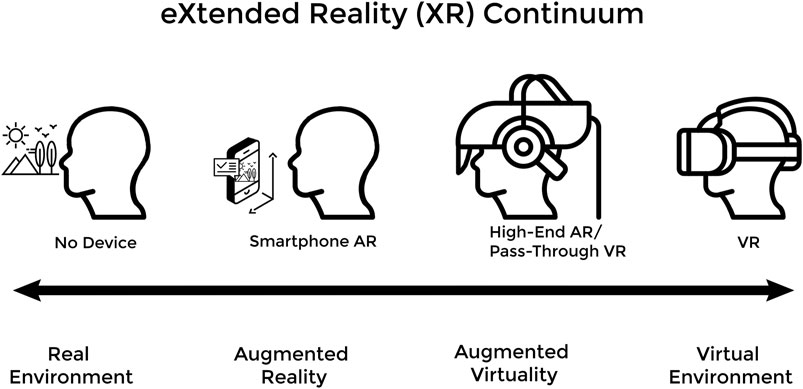
In the ever-evolving landscape of medical education, a new player has emerged, promising to revolutionize the way future doctors are trained. The integration of eXtended Reality (XR) technologies is reshaping the educational landscape by addressing the limitations of traditional methods.

Genetic Testing: A New Dawn in Healthcare

Genetic testing represents more than just a scientific advancement; it signifies a fundamental shift in how we approach health and wellness.

Sustainable Architecture: Blending Innovation with Ecological Responsibility

The journey toward sustainable architecture is ongoing, with each project serving as a beacon of what's achievable when creativity meets ecological awareness.

By |December 9, 2024|Categories: Architecture, Article, Sustainability|Tags: |0 Comments

AI in Clinical and Molecular Diagnostics: A Market on the Rise

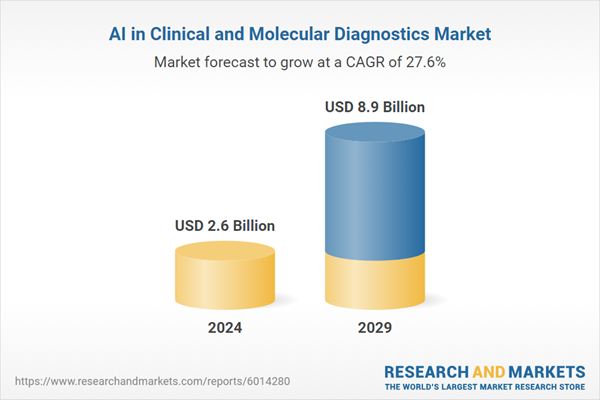
AI in Clinical and Molecular Diagnostics Market is set to experience remarkable growth, projected to surge from USD 2.6 billion in 2024 to USD 8.9 billion by 2029. This growth is driven by the integration of advanced AI technologies such as machine learning and deep learning into traditional diagnostic methodologies like imaging, genomics, and laboratory testing.

AI: A Revolution in Healthcare’s Future

AI is not a distant dream but a present reality, already integrated into everyday life through virtual assistants like Alexa and Siri. AI shows promise in enhancing medical accuracy, such as in predicting mesothelioma survival and improving colonoscopy accuracy, it is not intended to replace healthcare professionals.