Spotify, the Swedish audio streaming giant, is under scrutiny for its impact on the music industry. As detailed in Liz Pelly’s critical examination, “Mood Machine: The Rise of Spotify and the Costs of the Perfect Playlist,” Spotify’s algorithms are reshaping music consumption by prioritizing passive listening over artistic creativity. This shift has significant implications for musicians and the future of music as a whole.
In her book, Pelly explores how Spotify’s business model is driven by commercial motives, focusing on creating seamless background music experiences rather than promoting individual artistry. The platform’s founders, Daniel Ek and Martin Lorentzon, originally approached Spotify as a business opportunity rather than a passion for music, leveraging their expertise in search engine optimization and advertising.
Spotify’s strategy has led to the rise of “lean-back listening,” where users engage with music as a background experience. This approach has allowed brands and labels to create playlists tailored to specific moods and occasions, often at the expense of genuine musical artistry. Pelly highlights how this dynamic forces musicians to produce content that fits into predetermined playlists, thus commodifying art.
The book also addresses concerns about digital privacy, such as Spotify’s patented emotion detection technology, which could potentially be used for surveillance. This raises questions about the ethical implications of data collection and its impact on user privacy.
Pelly argues for a reevaluation of the music streaming industry’s profit-driven motives and calls for alternative models that prioritize artist empowerment. She suggests that buying music directly from artists and independent labels could support a more ethical and sustainable music ecosystem.
For more insights, you can read the original article on the Financial Express website.

Key Takeaways

  • Passive Listening: Spotify’s algorithm-driven model favors background music experiences, impacting artistic creativity.
  • Commercial Motives: The platform’s focus on profitability has led to the commodification of music.
  • Privacy Concerns: Spotify’s data practices, including emotion detection technology, raise ethical questions.
  • Call for Change: Pelly advocates for alternative models that empower artists over profit maximization.
The discussion around Spotify’s influence on the music industry is crucial, as it highlights the need to rethink how music is consumed and valued in a digital age. As Pelly emphasizes, the future of music depends on prioritizing artistic integrity over commercial interests.


More Articles

Getting licensed or staying ahead in your career can be a journey—but it doesn’t have to be overwhelming. Grab your favorite coffee or tea, take a moment to relax, and browse through our articles. Whether you’re just starting out or renewing your expertise, we’ve got tips, insights, and advice to keep you moving forward. Here’s to your success—one sip and one step at a time!

Precision Medicine Market: A Tailored Approach Revolutionizing Healthcare

With increasing governmental and private investments, the demand for precision medicine is expected to rise steadily. The commitment to addressing chronic conditions, coupled with strategic industry collaborations and advanced diagnostic tools, will sustain market growth.

U.S. Wearable Medical Devices Market: Growth Trends and Future Prospects

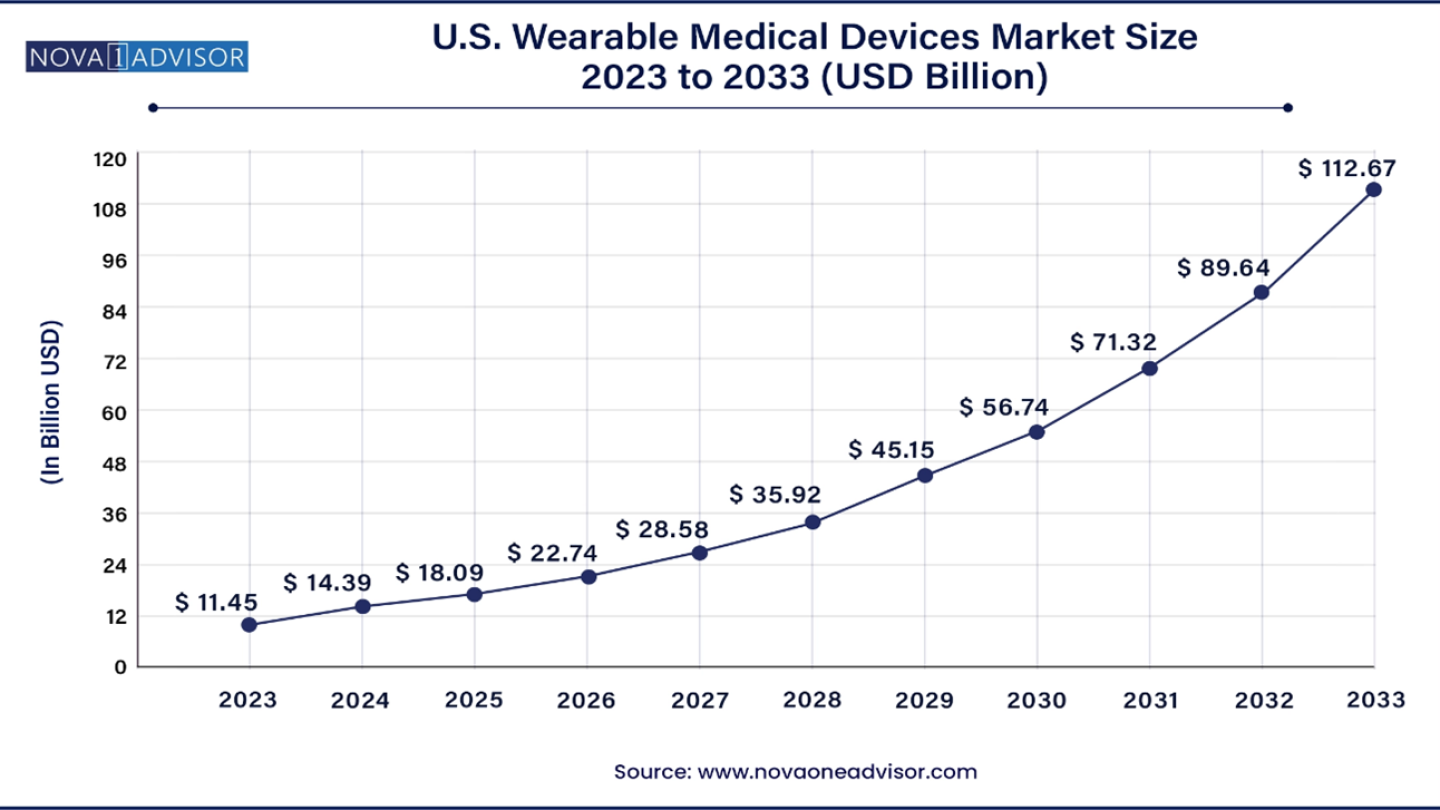
The U.S. wearable medical devices market, currently valued at an estimated $11.45 billion in 2023, is set to experience an astronomical rise to approximately $112.67 billion by 2033.

By |December 3, 2024|Categories: Article, Healthcare, Technology|Tags: |0 Comments

The Future of Real Estate Market: What Lies Ahead?

The real estate market is on the brink of transformation, captivating the attention of buyers, sellers, investors, and industry professionals. As we look toward the end of 2024, experts predict a shift in the landscape, particularly with home prices expected to decline due to increased inventory levels.

By |December 3, 2024|Categories: Article, Market Trends, Real Estate|Tags: , |0 Comments

Bridging the Healthcare Gap in Rural Areas with Telehealth

According to the World Health Organization (WHO), nearly two billion people in rural and remote areas worldwide lack access to essential healthcare solutions. This staggering statistic highlights a critical issue: the digital divide that limits telehealth services, primarily due to inadequate broadband access.

By |December 2, 2024|Categories: Article, Healthcare, Technology|Tags: , |0 Comments

Navigating Ethical Challenges: AI in Healthcare

As AI becomes a staple in medical practice, it carries the risk of reinforcing existing biases entrenched in historical data. These biases can lead to skewed outcomes, particularly affecting marginalized communities such as the LGBTQIA+ and certain ethnic groups.

By |December 2, 2024|Categories: Article, Ethics, Healthcare|Tags: , |0 Comments

New SCLC Biomarkers Enable Advances in Precision Medicine Approaches

A groundbreaking study published in Volume 15 of Oncotarget on October 11, 2024, titled 'Relationship between the expressions of DLL3, ASC1, TTF-1 and Ki-67: First steps of precision medicine at SCLC' showcases pivotal advancements in the fight against small cell lung cancer (SCLC).

By |December 2, 2024|Categories: Article, Cancer Treatment, Medical Research|Tags: , |0 Comments