Spotify, the Swedish audio streaming giant, is under scrutiny for its impact on the music industry. As detailed in Liz Pelly’s critical examination, “Mood Machine: The Rise of Spotify and the Costs of the Perfect Playlist,” Spotify’s algorithms are reshaping music consumption by prioritizing passive listening over artistic creativity. This shift has significant implications for musicians and the future of music as a whole.
In her book, Pelly explores how Spotify’s business model is driven by commercial motives, focusing on creating seamless background music experiences rather than promoting individual artistry. The platform’s founders, Daniel Ek and Martin Lorentzon, originally approached Spotify as a business opportunity rather than a passion for music, leveraging their expertise in search engine optimization and advertising.
Spotify’s strategy has led to the rise of “lean-back listening,” where users engage with music as a background experience. This approach has allowed brands and labels to create playlists tailored to specific moods and occasions, often at the expense of genuine musical artistry. Pelly highlights how this dynamic forces musicians to produce content that fits into predetermined playlists, thus commodifying art.
The book also addresses concerns about digital privacy, such as Spotify’s patented emotion detection technology, which could potentially be used for surveillance. This raises questions about the ethical implications of data collection and its impact on user privacy.
Pelly argues for a reevaluation of the music streaming industry’s profit-driven motives and calls for alternative models that prioritize artist empowerment. She suggests that buying music directly from artists and independent labels could support a more ethical and sustainable music ecosystem.
For more insights, you can read the original article on the Financial Express website.

Key Takeaways

  • Passive Listening: Spotify’s algorithm-driven model favors background music experiences, impacting artistic creativity.
  • Commercial Motives: The platform’s focus on profitability has led to the commodification of music.
  • Privacy Concerns: Spotify’s data practices, including emotion detection technology, raise ethical questions.
  • Call for Change: Pelly advocates for alternative models that empower artists over profit maximization.
The discussion around Spotify’s influence on the music industry is crucial, as it highlights the need to rethink how music is consumed and valued in a digital age. As Pelly emphasizes, the future of music depends on prioritizing artistic integrity over commercial interests.

More Articles

Getting licensed or staying ahead in your career can be a journey—but it doesn’t have to be overwhelming. Grab your favorite coffee or tea, take a moment to relax, and browse through our articles. Whether you’re just starting out or renewing your expertise, we’ve got tips, insights, and advice to keep you moving forward. Here’s to your success—one sip and one step at a time!

Is Florida’s Booming Real Estate Market Becoming Unaffordable?

Florida is facing a real estate crisis marked by skyrocketing insurance premiums, stringent FEMA rules, and a surge in hedge fund property acquisitions.

By |November 14, 2024|Categories: Article, Finance/Economy, Real Estate|Tags: , |0 Comments

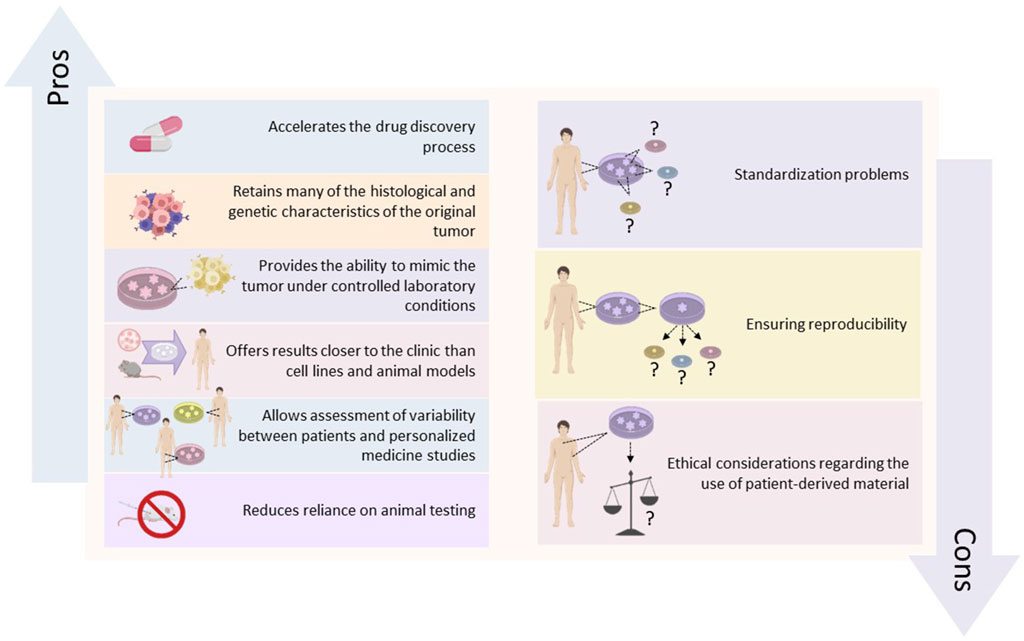
Revolutionizing Cancer Therapy: The Promise of Patient-Derived Organoids

Patient-derived organoids offer an unprecedented opportunity to replicate the complex structure and genetic makeup of cancers, providing a more accurate model for clinical drug screening and pharmacognostic assessment.

The AI Revolution in Dermatology: A Systematic Review

In a groundbreaking study published in Nature, researchers have delved into the burgeoning field of artificial intelligence (AI) in dermatology, specifically examining its role in diagnosing skin cancer. The study, titled "A Systematic Review and Meta-Analysis of Artificial Intelligence Versus Clinicians for Skin Cancer Diagnosis," offers a comprehensive look at how AI stacks up against human clinicians in this critical area of healthcare.

By |November 14, 2024|Categories: AI in Healthcare, Article, Dermatology|Tags: , |0 Comments

The Fast Lane to Fully Autonomous Vehicles: Industry Innovations and Future Prospects

The automotive world is abuzz with announcements from major players like Tesla, Rimac, Renault, and Nissan, each unveiling plans to introduce autonomous vehicles in the near future. Tesla's much-anticipated "CyberCab" is set for an October 2024 debut, while Rimac and Renault are gearing up for releases in 2026.

Futureproofing for Insurers: The Role of AI and Hyper-Personalization

In a rapidly evolving industry, insurance companies are turning to artificial intelligence (AI) and hyper-personalization to stay ahead of the curve.

Revolutionizing Healthcare: The Power and Potential of AI

AI technology offers a multitude of benefits, from enhancing patient outcomes to reducing healthcare costs and improving population health. Its application ranges from preventive screenings to complex diagnostic procedures, marking a new era in medical care.

By |November 13, 2024|Categories: Article, Artificial Intelligence, Healthcare|Tags: , |0 Comments