Spotify, the Swedish audio streaming giant, is under scrutiny for its impact on the music industry. As detailed in Liz Pelly’s critical examination, “Mood Machine: The Rise of Spotify and the Costs of the Perfect Playlist,” Spotify’s algorithms are reshaping music consumption by prioritizing passive listening over artistic creativity. This shift has significant implications for musicians and the future of music as a whole.
In her book, Pelly explores how Spotify’s business model is driven by commercial motives, focusing on creating seamless background music experiences rather than promoting individual artistry. The platform’s founders, Daniel Ek and Martin Lorentzon, originally approached Spotify as a business opportunity rather than a passion for music, leveraging their expertise in search engine optimization and advertising.
Spotify’s strategy has led to the rise of “lean-back listening,” where users engage with music as a background experience. This approach has allowed brands and labels to create playlists tailored to specific moods and occasions, often at the expense of genuine musical artistry. Pelly highlights how this dynamic forces musicians to produce content that fits into predetermined playlists, thus commodifying art.
The book also addresses concerns about digital privacy, such as Spotify’s patented emotion detection technology, which could potentially be used for surveillance. This raises questions about the ethical implications of data collection and its impact on user privacy.
Pelly argues for a reevaluation of the music streaming industry’s profit-driven motives and calls for alternative models that prioritize artist empowerment. She suggests that buying music directly from artists and independent labels could support a more ethical and sustainable music ecosystem.
For more insights, you can read the original article on the Financial Express website.

Key Takeaways

  • Passive Listening: Spotify’s algorithm-driven model favors background music experiences, impacting artistic creativity.
  • Commercial Motives: The platform’s focus on profitability has led to the commodification of music.
  • Privacy Concerns: Spotify’s data practices, including emotion detection technology, raise ethical questions.
  • Call for Change: Pelly advocates for alternative models that empower artists over profit maximization.
The discussion around Spotify’s influence on the music industry is crucial, as it highlights the need to rethink how music is consumed and valued in a digital age. As Pelly emphasizes, the future of music depends on prioritizing artistic integrity over commercial interests.


More Articles

Getting licensed or staying ahead in your career can be a journey—but it doesn’t have to be overwhelming. Grab your favorite coffee or tea, take a moment to relax, and browse through our articles. Whether you’re just starting out or renewing your expertise, we’ve got tips, insights, and advice to keep you moving forward. Here’s to your success—one sip and one step at a time!

Exploring the Top Real Estate Trends of 2024

As we navigate the ever-evolving landscape of real estate, 2024 presents a fascinating array of trends that are reshaping the industry. According to a comprehensive report by Exploding Topics, nine pivotal trends are poised to redefine the market over the next 18-24 months.

By |November 13, 2024|Categories: Article, Market Trends, Real Estate|Tags: , |0 Comments

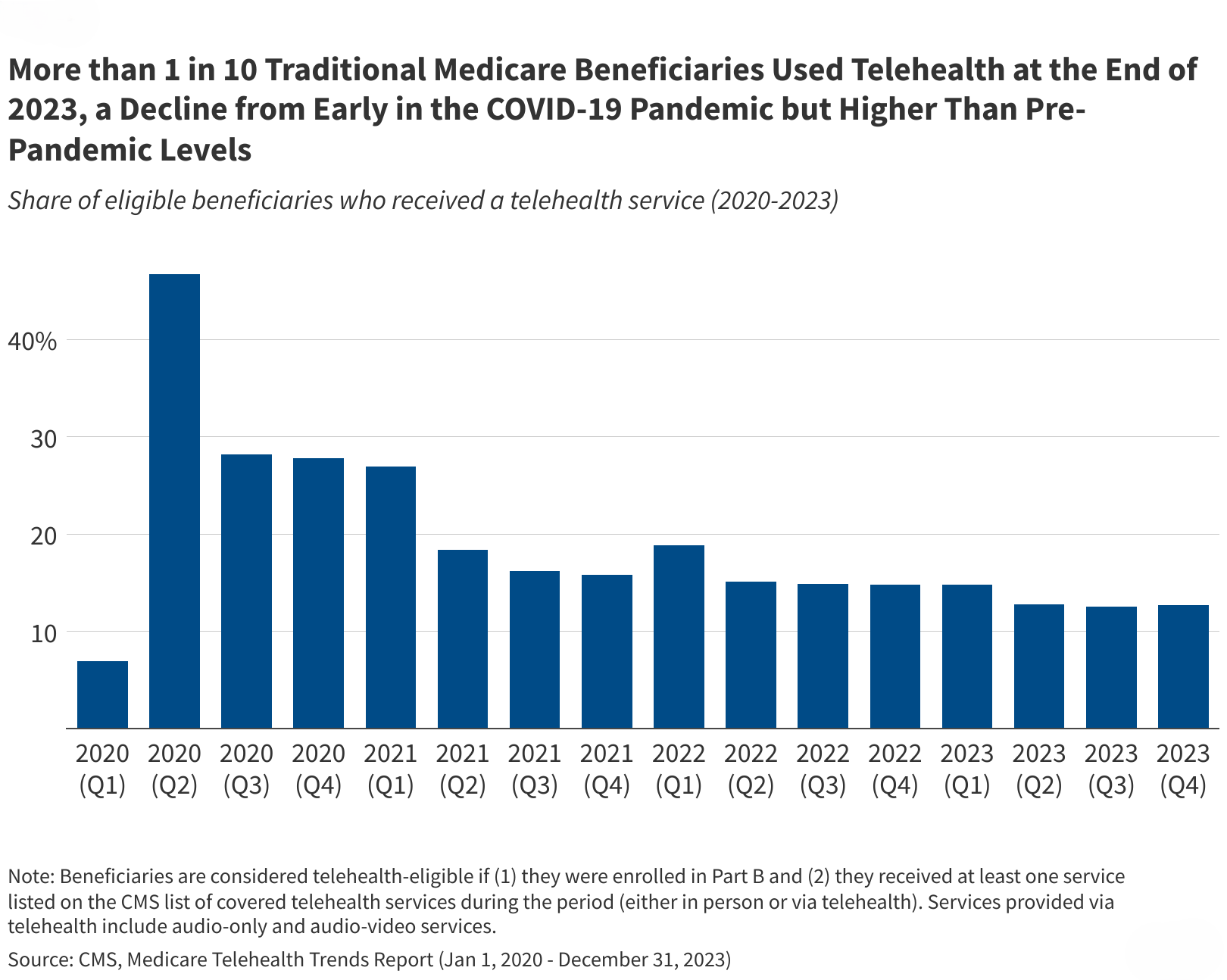
The Rapid Evolution of Telehealth Under Medicare

The landscape of healthcare has dramatically shifted in recent years, with telehealth emerging as a key player in the delivery of medical services. This transformation has been particularly evident in the realm of Medicare, where telehealth has seen a significant uptick in utilization.

By |November 12, 2024|Categories: Article, Healthcare, Medicare|Tags: , |0 Comments

The Rise of Central Bank Digital Currencies: Reshaping Global Finance

Central bank digital currencies (CBDCs) are reshaping the financial landscape, emerging as a pivotal innovation in the digital age. Nations such as Jamaica, Nigeria, and The Bahamas have already implemented CBDCs, signaling a new era in digital finance. Despite these hurdles, the move towards digital currencies marks a transformative phase for global economies.

By |November 12, 2024|Categories: Article, Finance, Technology|Tags: , |0 Comments

Navigating Real Estate Tactics: Protecting Your Interests

Real estate transactions often involve significant sums of money, making them prime targets for unscrupulous tactics. By being aware of these tactics and taking proactive steps, buyers and sellers can navigate the real estate market with confidence and avoid potential pitfalls.

Global Surge in Wearable Healthcare Devices Market

The global wearable healthcare devices market is on a remarkable growth trajectory, projected to escalate from USD 39.9 billion in 2023 to an impressive USD 114.8 billion by 2033.

By |November 12, 2024|Categories: Article, Healthcare, Technology|Tags: |0 Comments

Generative AI: Transforming the Real Estate Landscape

Generative AI is revolutionizing the way real estate agents, appraisers, and brokers operate. By automating tasks such as creating property descriptions and analyzing market trends, AI tools are freeing up professionals to focus on strategic, high-value responsibilities. This shift is expected to generate up to $180 billion in value for the industry.

By |November 12, 2024|Categories: Article, Real Estate, Technology|Tags: , |0 Comments