Parametric Insurance: A New Frontier in Climate Risk Management

Risk managers are increasingly using parametric insurance to strengthen traditional programs and to better match capital to risk from natural disasters.
In the face of escalating climate challenges, risk managers are increasingly turning to parametric insurance as a vital tool to supplement traditional property programs. This innovative approach, grounded in an “if-then” model, offers a strategic advantage by aligning capital more effectively with the unpredictable nature of natural disasters.

Climate Change and Insurance Challenges

The impact of climate change is undeniable, with a marked increase in both the frequency and severity of natural catastrophes. According to Aon’s insights, the traditional insurance market is struggling to keep pace, leaving significant economic exposures unaddressed. This is where parametric insurance steps in, offering a tailored solution that extends beyond mere physical damage to cover broader economic impacts.

The Mechanics of Parametric Insurance

Parametric insurance operates on three core principles:
  1. The “if”: Coverage is triggered by specific, independent events, as verified by neutral third-party data, which streamlines the underwriting process.
  2. The “then”: Once triggered, pre-agreed payouts are swiftly executed, often within ten days, providing critical liquidity during crises.
  3. Closing the Protection Gap: This model makes previously uninsurable risks insurable, bridging the gap with contingent capital.

Expanding Applications

Parametric solutions are particularly effective for “grey swan” events—unpredictable but impactful occurrences like hurricanes, earthquakes, and severe weather. As these events become more common, businesses are integrating parametric insurance into their risk management portfolios, freeing up capital and enhancing resilience.

Moreover, the flexibility of parametric insurance allows it to address other exogenous risks, such as pandemics and cloud service outages, by leveraging independent data to define clear triggers.

Conclusion

As the climate continues to present complex challenges, parametric insurance emerges as a transformative force in risk management. By offering rapid, reliable financial responses to disasters, it provides a crucial buffer for businesses navigating an increasingly volatile world.


More Articles

Getting licensed or staying ahead in your career can be a journey—but it doesn’t have to be overwhelming. Grab your favorite coffee or tea, take a moment to relax, and browse through our articles. Whether you’re just starting out or renewing your expertise, we’ve got tips, insights, and advice to keep you moving forward. Here’s to your success—one sip and one step at a time!

The Rising Cost of Disaster: How Insurance Upheaval Is Reshaping Florida’s Middle Class

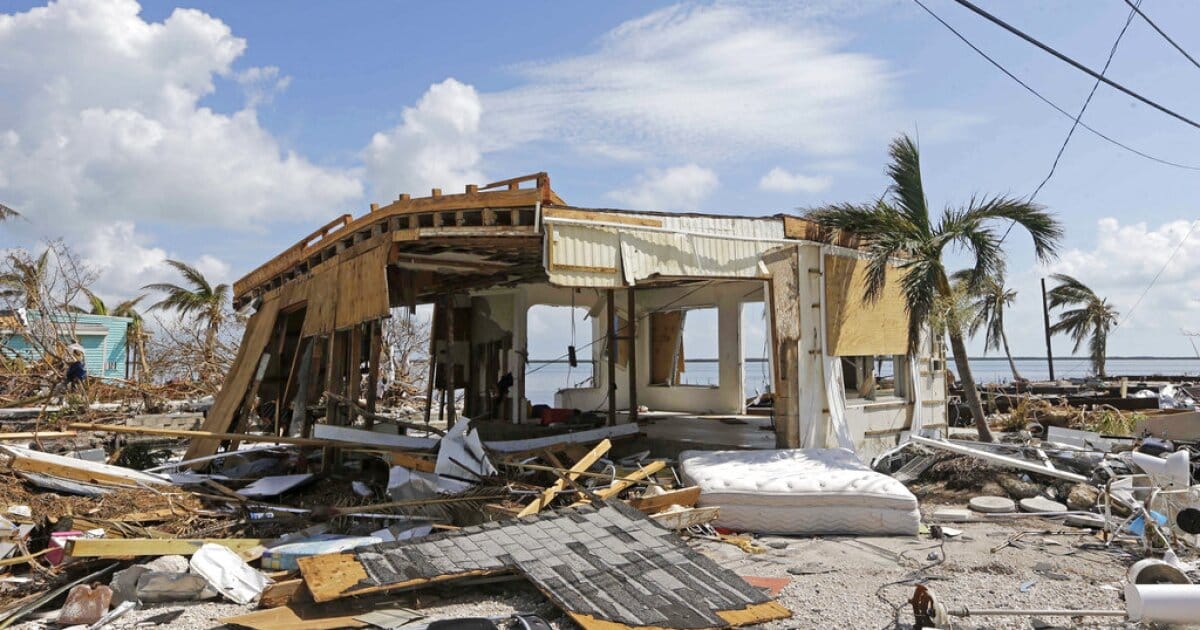
Skyrocketing insurance premiums and soaring rebuilding costs are transforming communities across Southwest Florida, especially in the wake of Hurricane Ian. As longtime residents struggle to keep up with rising financial pressure, wealthier newcomers and stricter building standards are reshaping the identity of places like Fort Myers Beach. With insurance rates now driving home sales, triggering potential foreclosures, and squeezing both owners and renters, Florida’s middle-class families face a growing question: can they afford to stay in the state they love?

Florida’s Insurance Market Enters Its Strongest Phase in Years as Private Carriers Take Over

Florida’s insurance industry is stabilizing fast, with nearly 1.6 million policies shifting from Citizens to private insurers and litigation dropping sharply. Regulators report stronger market confidence, decreasing premiums, and renewed competition—signaling one of the healthiest periods the state has seen in years.

Florida Judge Restarts Citizens Insurance Arbitration, Re‑Igniting 400+ Stalled Claims

A Leon County judge has ordered the restart of arbitration for Citizens Property Insurance claims, directly conflicting with a previous ruling that halted the process as potentially unconstitutional. With more than 400 cases now back in motion, real estate, insurance, and mortgage professionals can expect renewed activity in claim disputes and fresh uncertainty as Florida courts clash over the legality of Citizens’ arbitration system.

Dallas–Fort Worth Enters a New Real Estate Cycle as Developers Shift Strategies

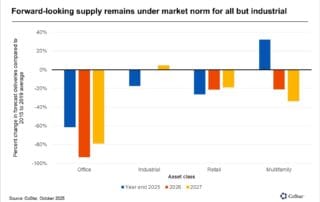
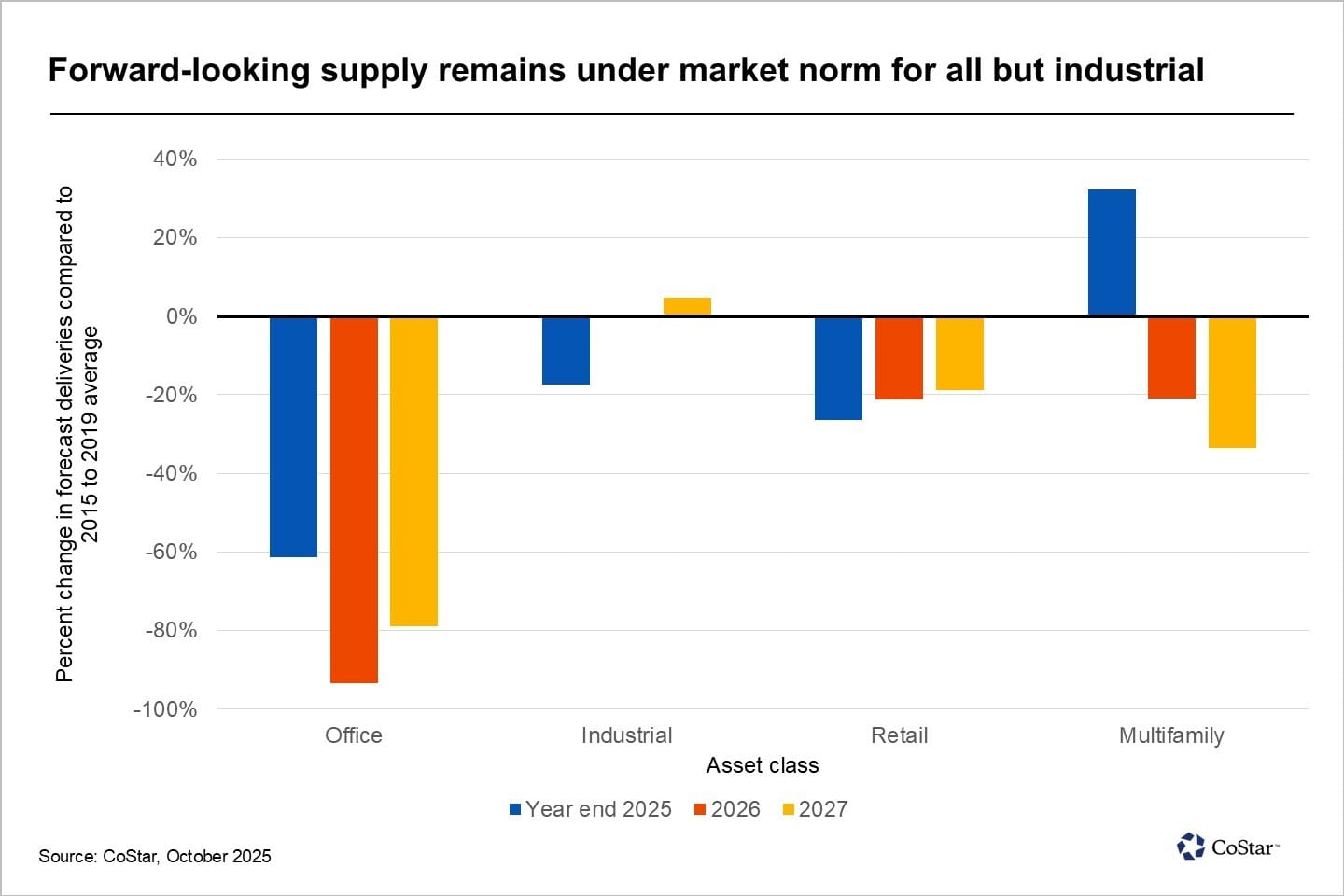
The DFW market is transitioning into a new construction phase marked by a slowdown in office development, a more selective approach to industrial projects, and an evolving housing landscape shaped by affordability and population growth. Developers are recalibrating their priorities, and for real estate professionals, understanding these shifts offers a critical edge in navigating—and capitalizing on—the next phase of the metroplex’s growth.

Zillow Faces New Lawsuit Over Alleged Pressure on Buyers to Use Zillow Home Loans

A new federal lawsuit claims Zillow pushed homebuyers toward Zillow Home Loans by rewarding affiliated agents with valuable leads — all without proper disclosure. The suit alleges undisclosed incentives, referral quotas, and potential RESPA violations, raising major concerns about steering, fiduciary duties, and Zillow’s expanding mortgage ambitions.

Embracing Innovation to Stay Competitive in a Shifting Mortgage Market

The mortgage industry is evolving fast, and the lenders who come out on top will be those who innovate without uprooting what already works. By building on strong technology foundations, streamlining workflows and adopting smart automation, lenders can reduce costs, improve customer experience and stay resilient in any market cycle. This article breaks down why innovation matters now, how a stable tech ecosystem protects lenders in volatile conditions and why small, strategic steps can drive long-term transformation.