Parametric Insurance: A New Frontier in Climate Risk Management

Risk managers are increasingly using parametric insurance to strengthen traditional programs and to better match capital to risk from natural disasters.
In the face of escalating climate challenges, risk managers are increasingly turning to parametric insurance as a vital tool to supplement traditional property programs. This innovative approach, grounded in an “if-then” model, offers a strategic advantage by aligning capital more effectively with the unpredictable nature of natural disasters.

Climate Change and Insurance Challenges

The impact of climate change is undeniable, with a marked increase in both the frequency and severity of natural catastrophes. According to Aon’s insights, the traditional insurance market is struggling to keep pace, leaving significant economic exposures unaddressed. This is where parametric insurance steps in, offering a tailored solution that extends beyond mere physical damage to cover broader economic impacts.

The Mechanics of Parametric Insurance

Parametric insurance operates on three core principles:
  1. The “if”: Coverage is triggered by specific, independent events, as verified by neutral third-party data, which streamlines the underwriting process.
  2. The “then”: Once triggered, pre-agreed payouts are swiftly executed, often within ten days, providing critical liquidity during crises.
  3. Closing the Protection Gap: This model makes previously uninsurable risks insurable, bridging the gap with contingent capital.

Expanding Applications

Parametric solutions are particularly effective for “grey swan” events—unpredictable but impactful occurrences like hurricanes, earthquakes, and severe weather. As these events become more common, businesses are integrating parametric insurance into their risk management portfolios, freeing up capital and enhancing resilience.

Moreover, the flexibility of parametric insurance allows it to address other exogenous risks, such as pandemics and cloud service outages, by leveraging independent data to define clear triggers.

Conclusion

As the climate continues to present complex challenges, parametric insurance emerges as a transformative force in risk management. By offering rapid, reliable financial responses to disasters, it provides a crucial buffer for businesses navigating an increasingly volatile world.


More Articles

Getting licensed or staying ahead in your career can be a journey—but it doesn’t have to be overwhelming. Grab your favorite coffee or tea, take a moment to relax, and browse through our articles. Whether you’re just starting out or renewing your expertise, we’ve got tips, insights, and advice to keep you moving forward. Here’s to your success—one sip and one step at a time!

The Hidden Mold Crisis Fueled by Extreme Weather

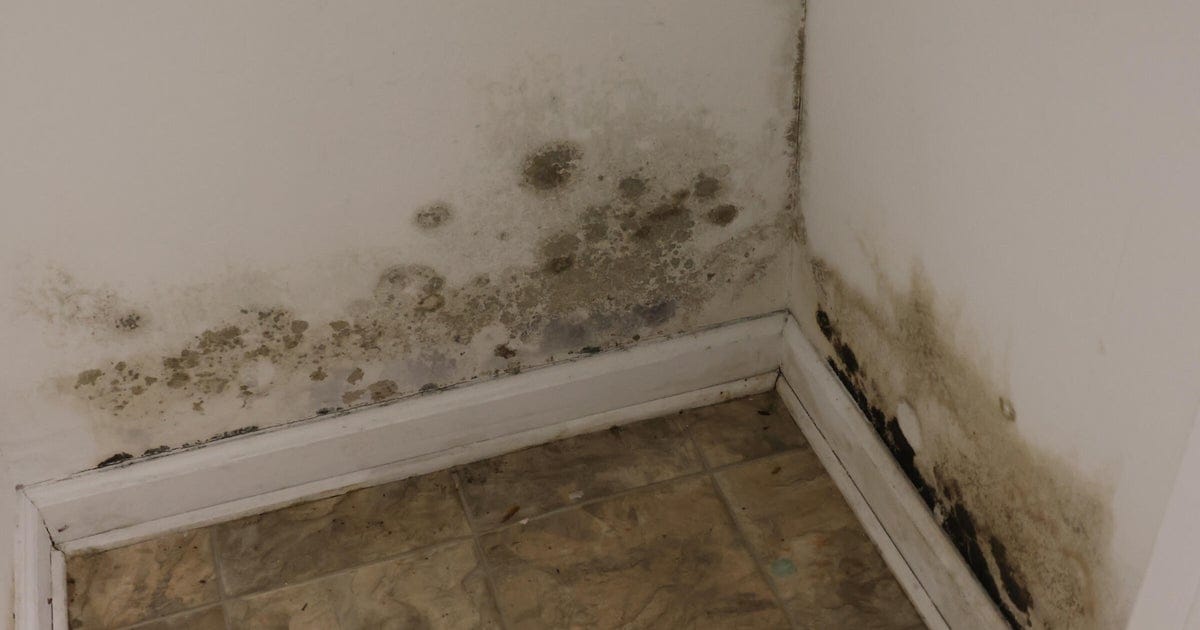
Extreme storms are triggering a surge in hidden mold growth across nearly half of U.S. homes, creating a growing health and financial emergency for families and real estate professionals. From rapid post‑storm mold development to soaring remediation costs, this silent threat is reshaping property safety, insurance challenges, and the future of housing in high‑risk regions.

Rocket Mortgage Faces Class Action for Alleged Opt‑Out Violations After 12 Unwanted Calls

A Florida consumer has filed a class action accusing Rocket Mortgage of repeatedly calling her even after confirming her opt‑out request, marking the company’s 56th TCPA‑related lawsuit. The complaint claims Rocket continued outreach for nearly three weeks—despite a STOP confirmation—and could impact more than 10,000 consumers nationwide.

Mortgage Rates Hit Month‑High as Loan Demand Falls 5%

Mortgage rates rose for the third straight week, reaching their highest level in a month and triggering a 5.2% drop in overall mortgage applications. Refinance activity slid 7%, purchase demand dipped 2%, and analysts say uncertainty in the bond market is keeping rates on a choppy path. Despite the pullback, today’s loan activity still sits well above last year’s lows, signaling that buyers remain active—but increasingly cautious.

Florida Approves 6.9% Workers’ Compensation Rate Cut for 2026

Florida has approved a 6.9% reduction in workers’ compensation insurance rates for 2026, marking the ninth straight year of decreases. The cut, signed by Insurance Commissioner Mike Yaworsky, takes effect January 1 and lowers costs for all new and renewal policies. State officials say the trend reflects improved workplace safety and will help businesses reduce expenses and support growth across industries including real estate, construction, and property management.

Is Now the Right Time to Buy a Home? Market Shifts Are Finally Giving Buyers the Upper Hand

Mortgage rates are dipping, inventory is soaring, and—for the first time in years—buyers have real leverage. While home prices remain at record highs and the economy feels unpredictable, rising inventory and cooling rates are creating rare opportunities for financially ready buyers. If you’ve been waiting for the market to open a door, this may be your moment to step through.

Is Miami Becoming New York’s Millionaire Relocation Spot?

Miami developers are pitching 'safe spaces' for millionaires amid fears of a political shift in New York City. Concerns over higher taxes and crime are prompting some New Yorkers to consider relocating south.

By |November 6, 2025|Categories: Article, Migration Trends, Real Estate|Tags: |0 Comments