Pioneering the Future: The Ethical Landscape of Fetal Genome Editing
In the ever-evolving world of science, the potential to edit fetal genomes is no longer a distant dream but an emerging reality. Yet, as the boundaries of genomic medicine expand, the ethical discussions surrounding these advancements remain in their infancy. Most scientists, driven by the pursuit of knowledge, are not traditionally equipped to navigate the societal implications of their breakthroughs, as noted in a recent piece from The Conversation.
Uncharted Ethical Waters
The journey of genomic editing began in earnest in 2015 when U.S. scientists called for a moratorium on germline genome editing, a controversial practice where genetic alterations are inheritable. Despite these calls for open discussion, the dialogue remained largely insular, confined to scientific circles. By 2018, the world witnessed the birth of genetically modified babies in China, a stark reminder of the absence of ethical oversight and regulatory frameworks, as highlighted in a report.
Engaging Communities: A Crucial Step
The ethical debate is not just a scientific concern but a societal one. Engaging with communities, especially those directly affected by genetic diseases, is crucial. In 2022, a citizens’ jury in the U.K. composed of individuals affected by genetic disorders deliberated on the ethics of germline editing. Their verdict: it could be ethical, provided conditions like transparency and equal access are met. This approach underscores the importance of involving diverse voices in the conversation.
The Intersection of Science and Society
The potential to edit the genome of a fetus, also known as fetal genome surgery, offers unprecedented opportunities to address genetic diseases early. Yet, it also raises significant ethical questions, particularly regarding the role of the pregnant person in these procedures. Historically, seeing the fetus as a separate patient has sometimes overshadowed the interests of the pregnant individual, complicating the ethical landscape further.
Health Equity and Access
As with any groundbreaking technology, access and equity remain paramount. The high cost of genome editing, such as the $3.1 million price tag for treating sickle cell disease, poses significant barriers. Moreover, trust in the healthcare system is crucial, especially among communities historically underrepresented in genomic research. Addressing these disparities is essential to ensure that the benefits of genome editing are equitably distributed.
Conclusion
As we stand on the cusp of a new era in genomic medicine, the need for comprehensive ethical discussions is more pressing than ever. By engaging with the communities most affected and considering the broader societal impacts, we can navigate the complex ethical terrain of fetal genome editing. Only then can we ensure that these scientific advancements truly benefit humanity.
More Articles
Getting licensed or staying ahead in your career can be a journey—but it doesn’t have to be overwhelming. Grab your favorite coffee or tea, take a moment to relax, and browse through our articles. Whether you’re just starting out or renewing your expertise, we’ve got tips, insights, and advice to keep you moving forward. Here’s to your success—one sip and one step at a time!
The global digital health market is set to skyrocket, with projections estimating it will reach $551.09 billion by 2027. This growth is fueled by innovations that are setting new benchmarks in healthcare delivery.
AI is being hailed as a "triple threat" in radiology, impacting planning, scanning, and diagnosis. As detailed in a recent column by Kelly Londy of GE HealthCare, these intelligent imaging systems are ushering in seismic changes reminiscent of the transformative impact of computer-assisted tomography in the late 20th century.
In a significant move that has captured the attention of economists and homebuyers alike, the Federal Reserve recently announced a half-percentage-point cut in interest rates. This decision is poised to bring about notable changes in the housing market, though not all effects may be beneficial for prospective homeowners.
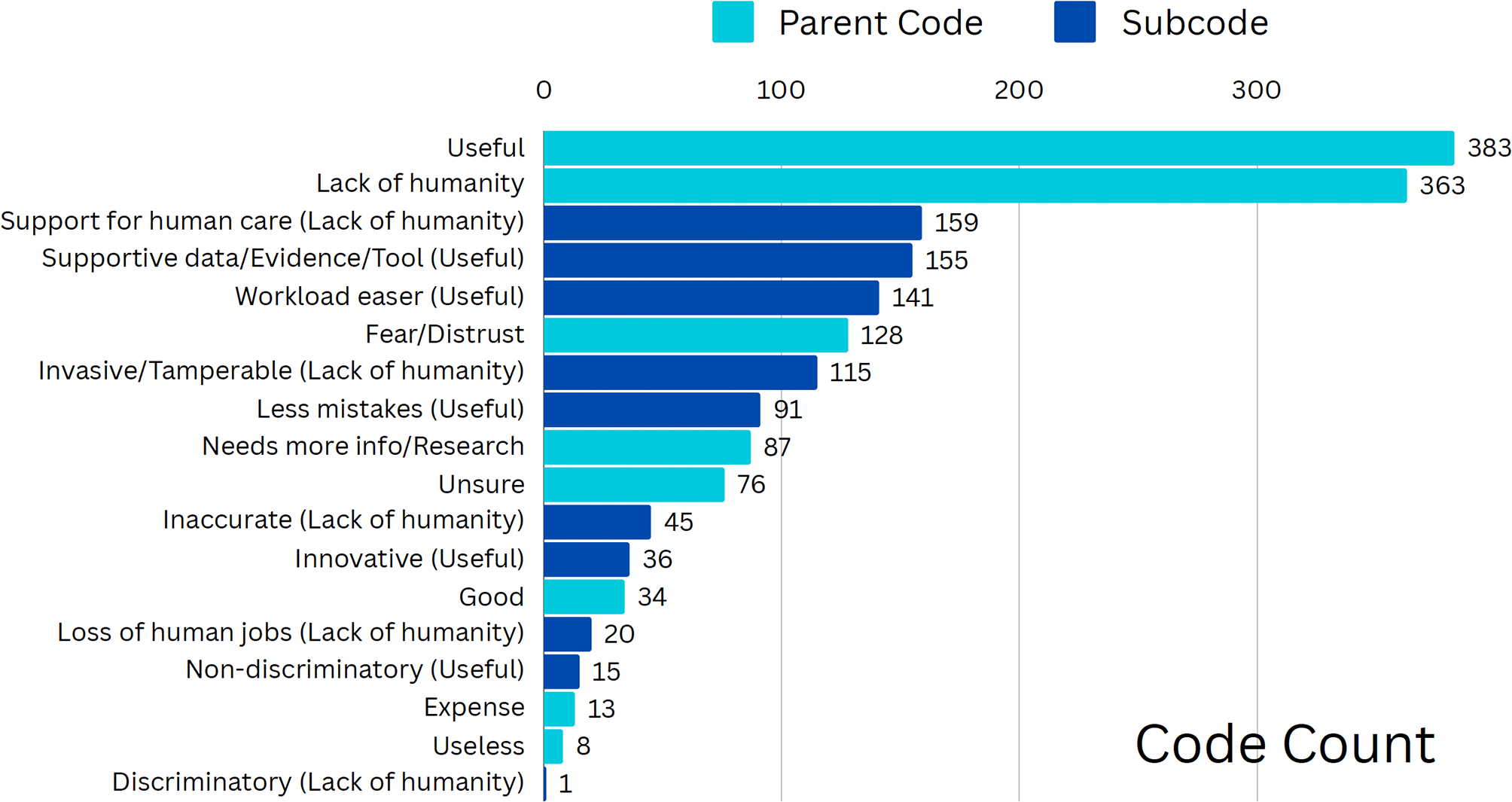
In the rapidly evolving landscape of healthcare, the integration of artificial intelligence (AI) stands as a beacon of both promise and concern. The research underscores a significant tension: while AI has the capability to enhance healthcare delivery, there is palpable unease about its impact on the traditional physician-patient relationship.
As artificial intelligence (AI) technology advances, it presents a myriad of ethical dilemmas and challenges that demand urgent attention. The USC Annenberg School for Communication and Journalism recently explored these pressing issues, highlighting the complexities involved in AI's deployment.