
Pioneering the Future: The Ethical Landscape of Fetal Genome Editing

In the ever-evolving world of science, the potential to edit fetal genomes is no longer a distant dream but an emerging reality. Yet, as the boundaries of genomic medicine expand, the ethical discussions surrounding these advancements remain in their infancy. Most scientists, driven by the pursuit of knowledge, are not traditionally equipped to navigate the societal implications of their breakthroughs, as noted in a recent piece from The Conversation.
Uncharted Ethical Waters
The journey of genomic editing began in earnest in 2015 when U.S. scientists called for a moratorium on germline genome editing, a controversial practice where genetic alterations are inheritable. Despite these calls for open discussion, the dialogue remained largely insular, confined to scientific circles. By 2018, the world witnessed the birth of genetically modified babies in China, a stark reminder of the absence of ethical oversight and regulatory frameworks, as highlighted in a report.
Engaging Communities: A Crucial Step
The ethical debate is not just a scientific concern but a societal one. Engaging with communities, especially those directly affected by genetic diseases, is crucial. In 2022, a citizens’ jury in the U.K. composed of individuals affected by genetic disorders deliberated on the ethics of germline editing. Their verdict: it could be ethical, provided conditions like transparency and equal access are met. This approach underscores the importance of involving diverse voices in the conversation.
A doctor performing an ultrasound on a pregnant person.
The Intersection of Science and Society
The potential to edit the genome of a fetus, also known as fetal genome surgery, offers unprecedented opportunities to address genetic diseases early. Yet, it also raises significant ethical questions, particularly regarding the role of the pregnant person in these procedures. Historically, seeing the fetus as a separate patient has sometimes overshadowed the interests of the pregnant individual, complicating the ethical landscape further.
Health Equity and Access
As with any groundbreaking technology, access and equity remain paramount. The high cost of genome editing, such as the $3.1 million price tag for treating sickle cell disease, poses significant barriers. Moreover, trust in the healthcare system is crucial, especially among communities historically underrepresented in genomic research. Addressing these disparities is essential to ensure that the benefits of genome editing are equitably distributed.
Conclusion
As we stand on the cusp of a new era in genomic medicine, the need for comprehensive ethical discussions is more pressing than ever. By engaging with the communities most affected and considering the broader societal impacts, we can navigate the complex ethical terrain of fetal genome editing. Only then can we ensure that these scientific advancements truly benefit humanity.

More Articles

Getting licensed or staying ahead in your career can be a journey—but it doesn’t have to be overwhelming. Grab your favorite coffee or tea, take a moment to relax, and browse through our articles. Whether you’re just starting out or renewing your expertise, we’ve got tips, insights, and advice to keep you moving forward. Here’s to your success—one sip and one step at a time!

Revolutionizing Radiology: AI’s Impact on Diagnostics

AI-powered tools are enhancing the speed and accuracy of diagnoses, significantly benefiting patient outcomes, especially in resource-constrained environments.

By |November 26, 2024|Categories: Article, Artificial Intelligence, Healthcare|Tags: |0 Comments

Exploring the Shifting Landscape of Real Estate in 2024

The real estate market is undergoing significant transformations as we step into 2024, with several trends reshaping the industry. This analysis delves into the top nine trends that are expected to impact the real estate sector this year.

By |November 26, 2024|Categories: Article, Market Trends, Real Estate|Tags: , |0 Comments

AI Revolutionizing Clinical and Molecular Diagnostics

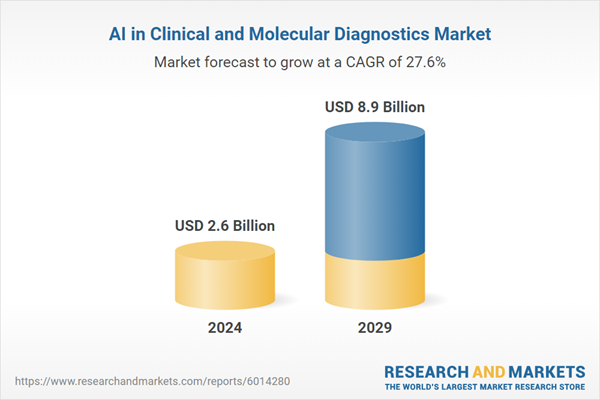
In a groundbreaking development, the market for AI in clinical and molecular diagnostics is set to experience a phenomenal growth trajectory, projected to skyrocket from USD 2.6 billion in 2024 to USD 8.9 billion by 2029 with a robust CAGR of 27.6%.

2025 Banking and Capital Markets Outlook: Navigating Low-Growth Challenges

The overarching goal for banks will be to adapt adeptly to macroeconomic shifts and regulatory implementations such as the Basel III Endgame re-proposal, which calls for strategic recalibration to ensure compliance without sacrificing growth.

CRISPR Technology Market Poised for Remarkable Growth to USD 12,461 Million by 2031

The CRISPR technology market, valued at USD 3,642.1 million in 2024, is anticipated to soar to USD 12,461 million by 2031, marking a robust CAGR of 19.2%.

By |November 25, 2024|Categories: Article, Biotechnology, Healthcare|Tags: , |0 Comments

Mortgage Rates Rise: A Window for Buyers Amid a Cloudy Future

Mortgage rates are climbing, with the 30-year fixed mortgage rate now at 6.64% and the 15-year fixed rate at 5.98%. This increase suggests a challenging landscape for potential refinancing, but a possible opportunity for homebuyers as competition wanes during the holiday season.


By |November 24, 2024|Categories: Article, Finance, Real Estate|Tags: , |0 Comments