Portland’s Commercial Real Estate Market Faces a Historic $2 Billion Collapse
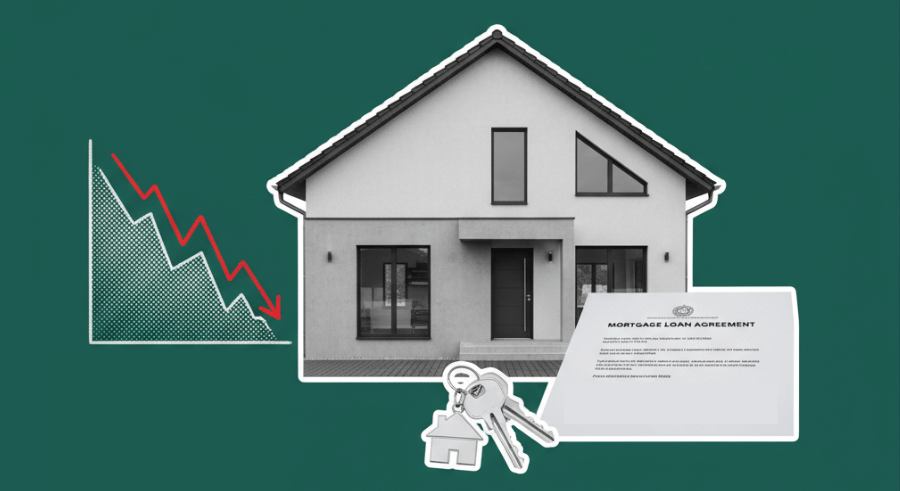
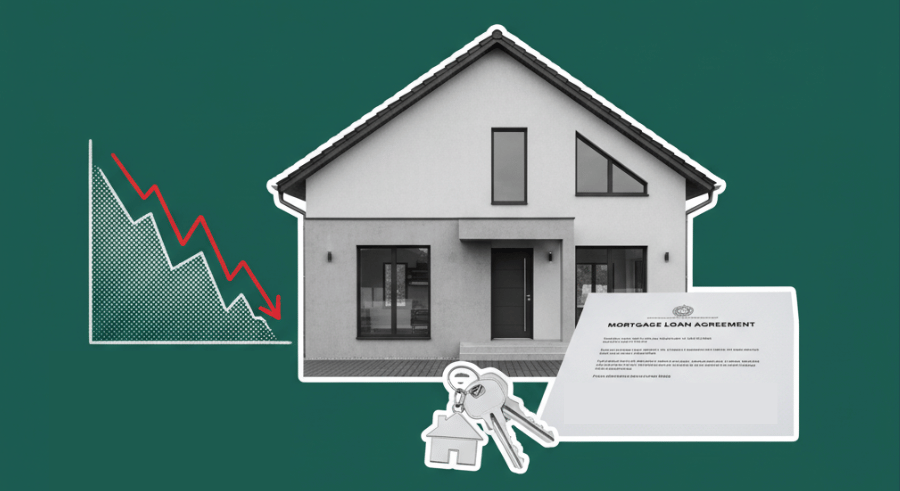
In a dramatic shift few could have imagined before 2020, Portland’s 20 largest office buildings have collectively lost nearly $2 billion in market value since 2019. According to records obtained by KATU from Multnomah County, the combined valuation of these properties plunged from $3 billion to just $986 million—an astonishing 70% drop.
The implications of this collapse reach far beyond property owners. As the commercial market continues its freefall, the consequences are rippling through city budgets, school districts, and essential local services across Multnomah County.
A Market Reset No One Saw Coming
County economist Jeff Renfro summarized the shock: “Without the pandemic, I’m not sure we would have thought these types of adjustments were even really possible.”
This recalibration has translated into major losses in taxable value. The assessed values of the same 20 office buildings dropped from $1.2 billion in 2019 to $890 million today—costing local governments millions in annual property tax revenue. Buildings such as Fox Tower, Montgomery Park, Standard Insurance, and PacWest alone saw $170 million vanish from tax rolls.
The downturn is fueling an unprecedented wave of property tax appeals. In 2023, 313 property owners filed appeals in the initial process. In 2024, the number jumped to 422, and in the current tax year it has surged to 529—with expectations it may exceed 1,000 as cases progress.
These appeals often take years to resolve and have already cost Multnomah County governments more than $30 million in refunds over 2023 and 2024. Meanwhile, neighboring counties like Washington and Clackamas are seeing far fewer appeals and significantly smaller losses.
Budget Cuts, Shrinking Revenue, and a Slow Recovery
The combination of inflation-driven costs and sluggish tax revenue has left local governments with difficult choices. Portland faces a projected $67 million gap this summer, while Portland Public Schools anticipates a $50 million shortfall.
Renfro warns that recovery may take longer than expected. Initial forecasts predicted 2026 as the bottom of the decline, but after major sales like Big Pink and PacWest, analysts now expect values to fall further into fiscal year 2027.
Many local leaders point to the state’s property tax structure—specifically Measures 5 and 50 from the 1990s—which cap taxable growth and limit government revenue. Critics argue that while intended to protect taxpayers, these constraints now prevent governments from keeping up with rising operational costs.
The League of Oregon Cities has been pushing for a discussion about modernizing the system, though any reform would require voter approval. Meanwhile, Measure 50’s author Bill Sizemore maintains that governments should look internally before asking residents to pay more.
What This Means for Real Estate Professionals
For those working in real estate, finance, or public policy, Portland’s situation is a powerful reminder of how economic cycles, public policy, and market behavior collide. These insights underscore the importance of staying informed and educated—something we emphasize deeply at Cameron Academy.
Whether you’re entering real estate, expanding your expertise, or navigating licensing in any professional field, understanding market dynamics like these equips you to lead with confidence in any economy.
For more industry‑shaping stories and career‑boosting education, visit Cameron Academy to elevate your professional path.
More Articles
Getting licensed or staying ahead in your career can be a journey—but it doesn’t have to be overwhelming. Grab your favorite coffee or tea, take a moment to relax, and browse through our articles. Whether you’re just starting out or renewing your expertise, we’ve got tips, insights, and advice to keep you moving forward. Here’s to your success—one sip and one step at a time!
Tokenization has surged from crypto niche to global financial disruptor as institutions like Robinhood, BlackRock, and Coinbase race to digitize real-world assets. With pro‑crypto political momentum, shifting regulations, and private companies resisting newfound transparency, this emerging wave is transforming how investments are bought, sold, and accessed. For professionals in real estate, finance, lending, and insurance, this shift signals massive opportunity—and equally massive responsibility—as the next era of asset ownership takes shape.
Florida homeowners are finally getting relief as Citizens Property Insurance announces an average 8.7% statewide rate reduction for 2026, with South Florida seeing cuts as high as 14%. Driven by recent tort reforms and a stabilizing market, these decreases signal a major turnaround for an industry once on the brink of collapse — and a potential boost for real estate activity across the state.
After years of roller‑coaster chaos, the 2026 U.S. housing market is easing into something professionals haven’t seen in a long time: balance. Inventory growth has slowed to just 10% year over year—down sharply from 2025’s surge—signaling the end of the pandemic‑era scarcity and the rise of a market driven by real‑time demand and interest rates. With seasonal patterns returning, negotiations replacing bidding wars and rates drifting toward 6%, agents, lenders and investors are finally navigating conditions that look… normal.
More than half of Gen Z investors say they entered the stock market because of social media—not textbooks, not advisors. Viral creators, AI tools, and crypto trends are reshaping how young adults learn about money, invest early, and chase financial freedom. This Fortune‑featured shift highlights a generation determined to build wealth fast, trust digital voices over traditional institutions, and redefine financial education for the future.
After years of extremes, the U.S. housing market is shifting into a more balanced, predictable phase. Inventory growth has cooled from last year’s surge, seasonality is returning, and pricing is becoming increasingly rate‑sensitive. With mortgage rates hovering near 6% and policy changes reshaping investor participation, 2026 is emerging as a negotiation‑driven market where skilled agents, lenders, builders, and investors have a renewed advantage. This new landscape rewards strategy, education, and real‑time demand awareness—making it an ideal moment for professionals to refine their approach and capitalize on the market’s normalization.
A sudden policy shift at the start of 2026 is already pushing mortgage rates lower, dipping them under 6% for the first time in months. New projections suggest the government-sponsored enterprises’ $200 billion in mortgage‑backed securities purchases could accelerate rate declines throughout the year, boosting affordability, home sales, and overall market activity for buyers, sellers, and real estate professionals alike.