Post-Election Power Plays: How America’s Biggest Cities Are Quietly Reshaping Real Estate
When the polls closed on November 4th, 2025, the headlines focused on winners and losers — but behind the political spotlight, a quieter transformation began rippling through the real estate world. Elections in power-player metros like New York, Los Angeles, Chicago, Boston, and Miami didn’t just rearrange city hall; they set a brand‑new blueprint for development, returns, and investment strategy heading into 2026.
CBIZ recently unveiled a sharp breakdown of these post-election shifts, and the insights read like a forward-looking roadmap for investors and industry professionals. The full analysis at
CBIZ Insights is absolutely worth a deep dive.
For real estate, mortgage, and finance professionals — especially those sharpening their expertise through Cameron Academy — this isn’t just news; it’s strategy fuel. These policy waves are shaping where opportunity flows next.
New York City: Rent Reform Takes the Spotlight
With Zohran Mamdani taking the helm as mayor, NYC is gearing toward a far more tenant‑focused policy climate. Proposed rent freezes and expanded inclusionary zoning are poised to apply downward pressure on rental income while increasing compliance and operational oversight.
Strategic Takeaways:
Run rent-freeze stress tests to preserve cash flow stability.
Balance regulated and market‑rate units for risk control.
Adjust underwriting assumptions around rent growth.
Track city council negotiations closely.
Collaborate with coalitions influencing policy outcomes.
Chicago: A Steady Hand on Sustainability and Housing
Chicago continues tightening focus on sustainability and affordability. The new Green Social Housing Ordinance is shaping development trends, while relief from a proposed $300 million tax increase buys investors some time — though long‑term valuation pressures remain very real.
Strategic Takeaways:
Use conservative NOI and tax projections.
Diversify between affordable and market‑rate assets.
Pursue incentives for green retrofits and energy-saving programs.
Engage in advocacy efforts that support investor stability.
Miami & South Florida: A Political Reset with Room for Optimism
Miami’s runoff between Eileen Higgins and Emilio González has created a temporary pause in development momentum. Higgins is advocating for streamlined permitting and expanded affordability — promising, but still uncertain until leadership solidifies.
Strategic Takeaways:
Delay major commitments until runoff outcomes finalize.
Maintain flexible project structuring.
Use joint ventures to hedge political transition risk.
Watch for short-term administrative shifts.
Participate actively in public consultations.
Boston: Slow and Steady Zoning Reform
Under Mayor Michelle Wu, Boston continues its intentional — but steady — expansion of zoning access and affordable housing pathways. Voices like Josh Kraft underline the city’s mission to support working families, potentially stabilizing rents while compressing growth opportunities in high-end market-rate segments.
Strategic Takeaways:
Capitalize on zoning revisions for redevelopment plays.
Engage early in community planning rounds.
Keep portfolios balanced across asset classes.
Monitor linkage fees and compliance costs.
Watch for emerging affordable housing incentives.
A Market in Motion: What 2026 May Bring
The 2025 election cycle sent an unmistakable signal: housing policy is now market policy. Affordable housing mandates, sustainability requirements, and development oversight are actively shaping investment conditions — and the market is adjusting fast.
Though some changes may compress short‑term returns, they’re enabling new opportunities for adaptive reuse, public‑private partnerships, and resilient redevelopment strategy.
For professionals building their future in real estate — from budding investors to seasoned agents to future licensees — staying informed isn’t optional. It’s strategic. And it’s exactly why Cameron Academy places such heavy emphasis on policy literacy, market cycles, and regulatory foresight.
To explore the full analysis from CBIZ, visit
CBIZ Insights.
More Articles
Getting licensed or staying ahead in your career can be a journey—but it doesn’t have to be overwhelming. Grab your favorite coffee or tea, take a moment to relax, and browse through our articles. Whether you’re just starting out or renewing your expertise, we’ve got tips, insights, and advice to keep you moving forward. Here’s to your success—one sip and one step at a time!
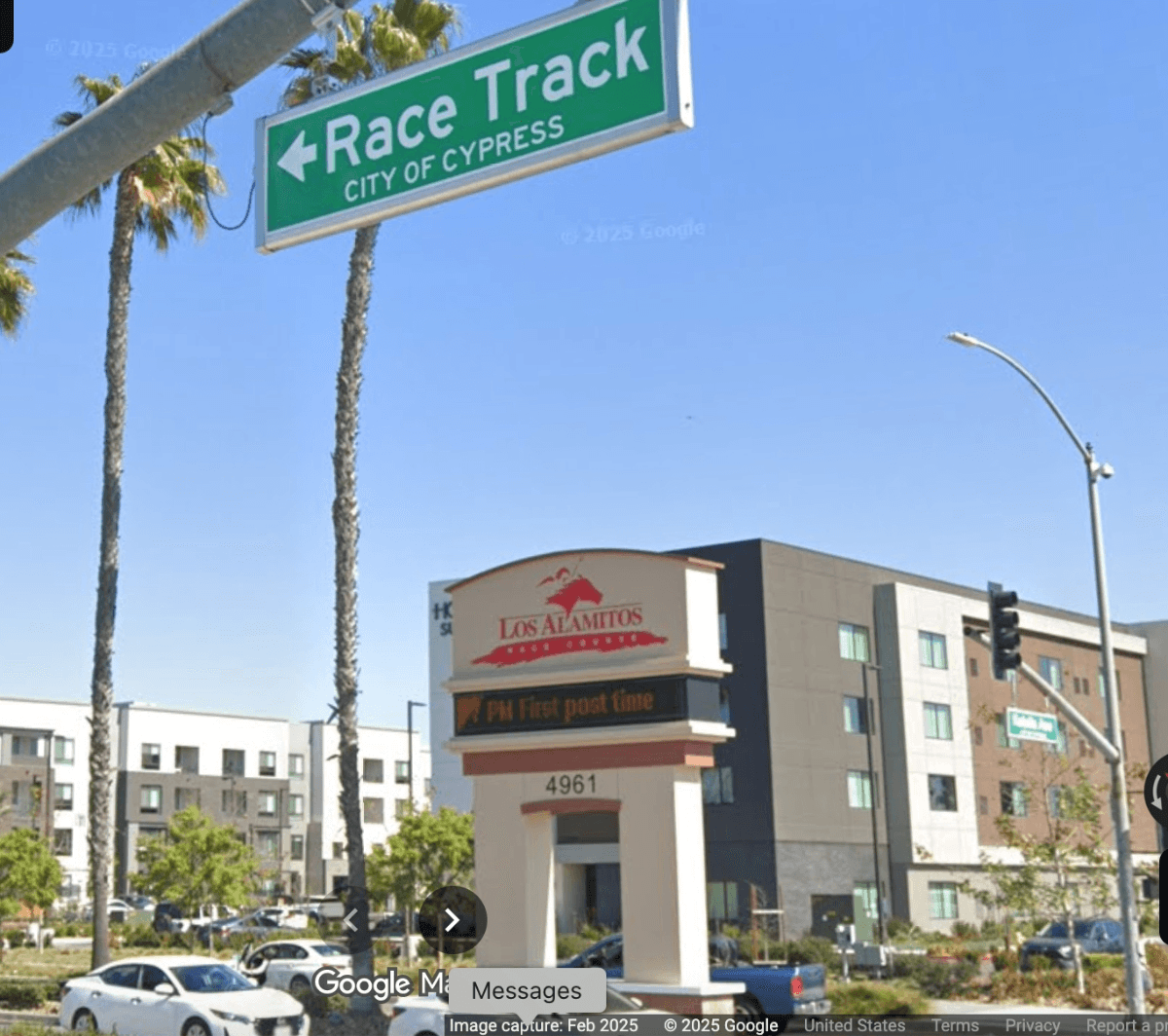
Los Alamitos Race Course is facing its most serious crisis in years after 18 horses died in 2025, prompting regulators to warn the track that its racing license is at risk without immediate safety reforms. Following three catastrophic injuries in a single day, the California Horse Racing Board has ordered urgent changes—including more veterinarians, stricter medication rules, and enhanced on‑track medical support—as pressure mounts for stronger oversight in a sport already under national scrutiny.
Canadian investors have poured more than US$5.8 billion into U.S. commercial real estate this year, making the U.S. their top destination even amid a lingering tariff dispute. Tight inventory in Canada and greater deal availability south of the border are driving the trend, with data centers and industrial properties emerging as the hottest targets for 2025.
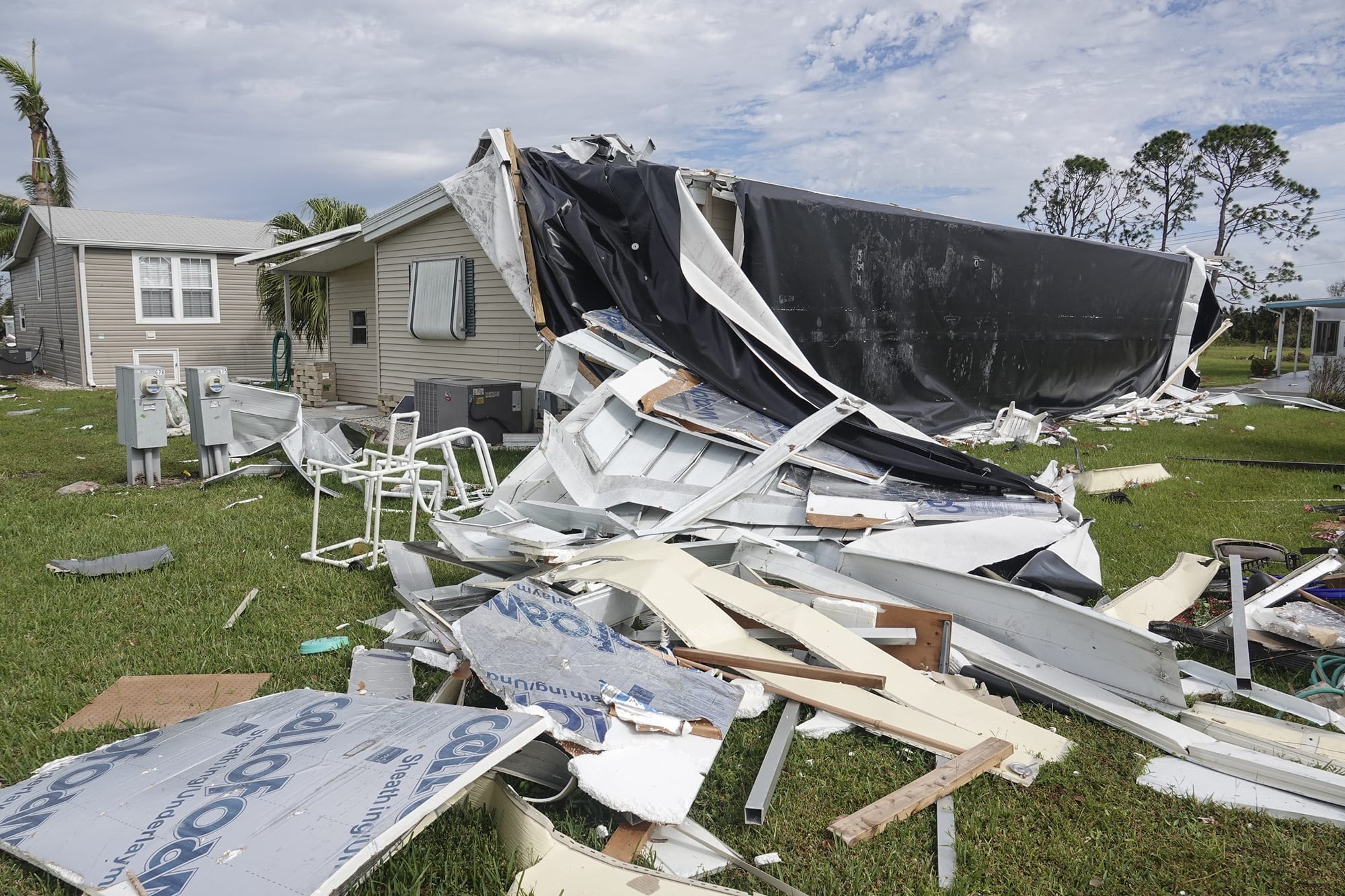
Florida’s insurance commissioner says even industry pros struggle to read today’s 150‑page homeowners policies—leaving residents shocked when hurricane claims are denied. With rising premiums, high replacement costs, and widespread confusion over exclusions like flood and water damage, the state is pushing for simpler, clearer policy language so homeowners know what they’re actually covered for before the next storm hits.
Following the 2025 elections, major metros like New York, Chicago, Miami, Los Angeles, and Boston are implementing policy shifts that could reshape property values, rental income, development timelines, and investment strategy heading into 2026. From New York’s push toward aggressive rent reform to Chicago’s sustainability mandates and Miami’s uncertain mayoral runoff, these changes signal a new era where local politics increasingly dictate market performance. This breakdown highlights the biggest post‑election real estate pivots and what they mean for investors, agents, and finance professionals preparing for a rapidly evolving landscape.
Florida’s Insurance Commissioner is sounding the alarm after thousands of homeowners discovered—only after hurricanes Helene and Milton—that the coverage they thought they had didn’t exist. With nearly 150,000 unpaid claims tied to misunderstood flood exclusions, water‑damage caps, and buried policy clauses, state leaders are pushing to simplify the dense, confusing documents most Floridians never read. As insurance costs remain one of the state’s top concerns, this growing complexity is creating a massive opportunity for real estate, mortgage, and insurance professionals to guide consumers before disaster strikes.
Florida’s insurance market is reliving an old crisis under a new name. Despite reforms meant to stabilize the system, homeowners are being forced out of Citizens and into pricier policies from small insurers with shaky financial histories. Companies tied to past insolvencies are returning with fresh branding, while highly rated carriers continue to deny a majority of claims. With political influence muddying regulation and climate risks rising, experts warn that only a full structural overhaul—not cosmetic reforms—can restore confidence for homeowners, agents, and the entire real estate market.