Post-Election Power Plays: How America’s Biggest Cities Are Quietly Reshaping Real Estate
When the polls closed on November 4th, 2025, the headlines focused on winners and losers — but behind the political spotlight, a quieter transformation began rippling through the real estate world. Elections in power-player metros like New York, Los Angeles, Chicago, Boston, and Miami didn’t just rearrange city hall; they set a brand‑new blueprint for development, returns, and investment strategy heading into 2026.
CBIZ recently unveiled a sharp breakdown of these post-election shifts, and the insights read like a forward-looking roadmap for investors and industry professionals. The full analysis at
CBIZ Insights is absolutely worth a deep dive.
For real estate, mortgage, and finance professionals — especially those sharpening their expertise through Cameron Academy — this isn’t just news; it’s strategy fuel. These policy waves are shaping where opportunity flows next.
New York City: Rent Reform Takes the Spotlight
With Zohran Mamdani taking the helm as mayor, NYC is gearing toward a far more tenant‑focused policy climate. Proposed rent freezes and expanded inclusionary zoning are poised to apply downward pressure on rental income while increasing compliance and operational oversight.
Strategic Takeaways:
Run rent-freeze stress tests to preserve cash flow stability.
Balance regulated and market‑rate units for risk control.
Adjust underwriting assumptions around rent growth.
Track city council negotiations closely.
Collaborate with coalitions influencing policy outcomes.
Chicago: A Steady Hand on Sustainability and Housing
Chicago continues tightening focus on sustainability and affordability. The new Green Social Housing Ordinance is shaping development trends, while relief from a proposed $300 million tax increase buys investors some time — though long‑term valuation pressures remain very real.
Strategic Takeaways:
Use conservative NOI and tax projections.
Diversify between affordable and market‑rate assets.
Pursue incentives for green retrofits and energy-saving programs.
Engage in advocacy efforts that support investor stability.
Miami & South Florida: A Political Reset with Room for Optimism
Miami’s runoff between Eileen Higgins and Emilio González has created a temporary pause in development momentum. Higgins is advocating for streamlined permitting and expanded affordability — promising, but still uncertain until leadership solidifies.
Strategic Takeaways:
Delay major commitments until runoff outcomes finalize.
Maintain flexible project structuring.
Use joint ventures to hedge political transition risk.
Watch for short-term administrative shifts.
Participate actively in public consultations.
Boston: Slow and Steady Zoning Reform
Under Mayor Michelle Wu, Boston continues its intentional — but steady — expansion of zoning access and affordable housing pathways. Voices like Josh Kraft underline the city’s mission to support working families, potentially stabilizing rents while compressing growth opportunities in high-end market-rate segments.
Strategic Takeaways:
Capitalize on zoning revisions for redevelopment plays.
Engage early in community planning rounds.
Keep portfolios balanced across asset classes.
Monitor linkage fees and compliance costs.
Watch for emerging affordable housing incentives.
A Market in Motion: What 2026 May Bring
The 2025 election cycle sent an unmistakable signal: housing policy is now market policy. Affordable housing mandates, sustainability requirements, and development oversight are actively shaping investment conditions — and the market is adjusting fast.
Though some changes may compress short‑term returns, they’re enabling new opportunities for adaptive reuse, public‑private partnerships, and resilient redevelopment strategy.
For professionals building their future in real estate — from budding investors to seasoned agents to future licensees — staying informed isn’t optional. It’s strategic. And it’s exactly why Cameron Academy places such heavy emphasis on policy literacy, market cycles, and regulatory foresight.
To explore the full analysis from CBIZ, visit
CBIZ Insights.
More Articles
Getting licensed or staying ahead in your career can be a journey—but it doesn’t have to be overwhelming. Grab your favorite coffee or tea, take a moment to relax, and browse through our articles. Whether you’re just starting out or renewing your expertise, we’ve got tips, insights, and advice to keep you moving forward. Here’s to your success—one sip and one step at a time!
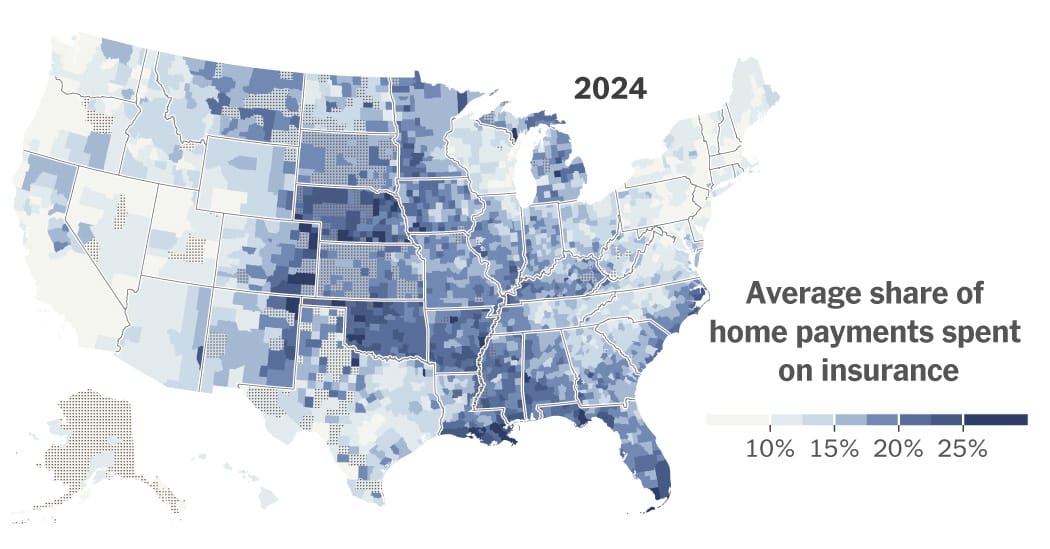
A surge in home insurance premiums is reshaping housing markets across the country, hitting disaster‑prone regions the hardest. From Louisiana to Colorado and California, deals are collapsing, buyers are backing out, and home values are dropping as insurance becomes a central affordability hurdle. New data shows climate‑driven risk repricing and soaring reinsurance costs are stripping tens of thousands of dollars from property values, forcing some homeowners to sell at a loss—or go uninsured altogether.
After years of sluggish activity, the National Association of REALTORS predicts 2026 could mark the long‑awaited rebound for the housing market. With a projected 14% jump in home sales, steadier rates near 6%, and rising buyer activity, NAR economists say momentum is already building. Early signs—like a 31% surge in mortgage applications, continued job growth, and stabilizing prices—suggest a stronger, more confident market ahead, creating fresh opportunities for both seasoned professionals and aspiring agents preparing to enter the field.
A surge of global capital is reshaping real estate heading into 2026, with investors shifting toward hands‑on strategies, cross‑border diversification, and high‑growth asset classes like data centers. Colliers’ 2026 Global Investor Outlook highlights rising confidence, improving liquidity, and a major pivot toward direct investing and value‑add opportunities. From office market rebounds to Asia Pacific’s rapid fundraising growth, the report outlines trends every real estate professional should understand as the industry enters a more dynamic, opportunity‑rich cycle.
Culver City just became the first place in California to legalize six‑story apartment buildings with only one staircase — a simple change that could reshape mid‑rise housing statewide. By freeing up as much as 7% more usable floor space, architects say single‑stair designs allow bigger units, more windows, and the kind of elegant layouts common in New York and Europe. If the city’s six‑year experiment succeeds, it may spark a broader rethinking of U.S. building codes and open the door to more flexible, affordable multifamily development across California.
Stratford homeowners are receiving their 2025 Notices of Assessment Change, marking the town’s first property revaluation since 2019. Officials emphasize that rising assessments do not equal higher tax bills, as a new mill rate won’t be set until spring 2026. Residents can challenge or review their updated valuations through informal hearings hosted by Vision Government Solutions, with appointments available for one week after receiving a notice.
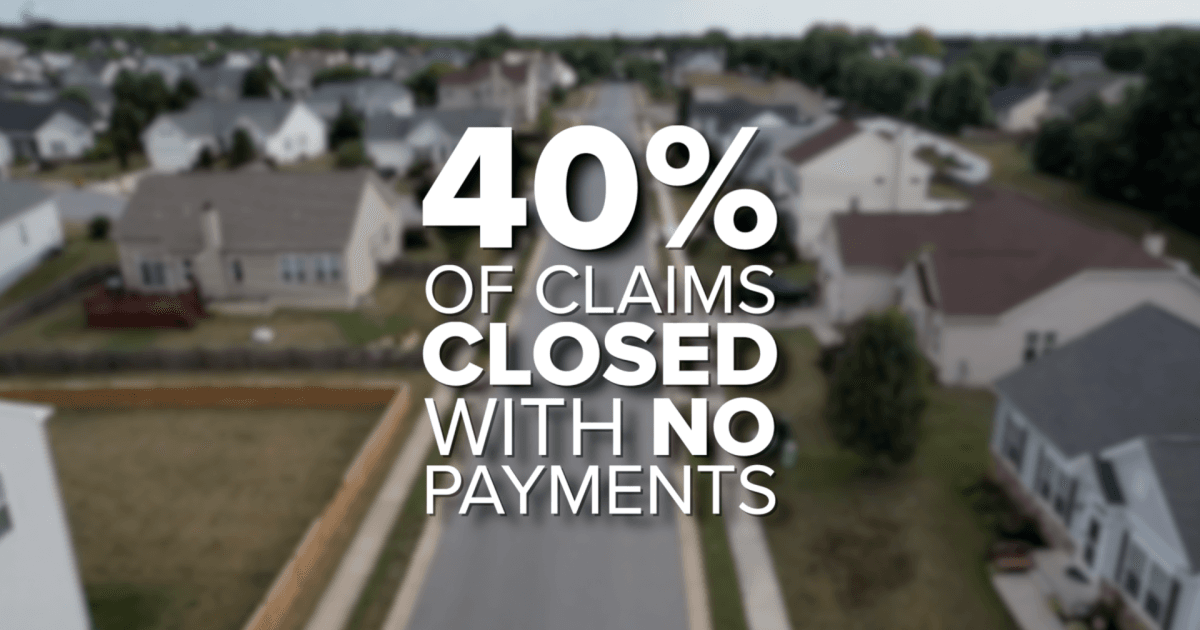
New reporting reveals Florida homeowners now face an average insurance premium of $5,838 per year — nearly triple the national average. With skyrocketing rates, denied claims, and mounting non-renewals, residents are being pushed to tough financial decisions while lawmakers scramble to implement reforms. From retirees skipping coverage to families battling insurers for fair payouts, Florida’s insurance crisis is reshaping both the housing market and the daily lives of homeowners statewide.