Premium U.S. Properties Surge While Smaller Assets Struggle: Inside the New Two-Tier CRE Market
The U.S. commercial real estate landscape is entering a dramatic new phase—one where high-value, premium properties are steadily rising, while smaller assets in secondary markets are confronting stronger headwinds. Fresh numbers from the CoStar Commercial Repeat Sale Indices (CCRSI) reveal a market split in two, forming what analysts now call a two-tier commercial recovery.
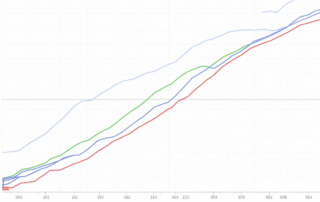
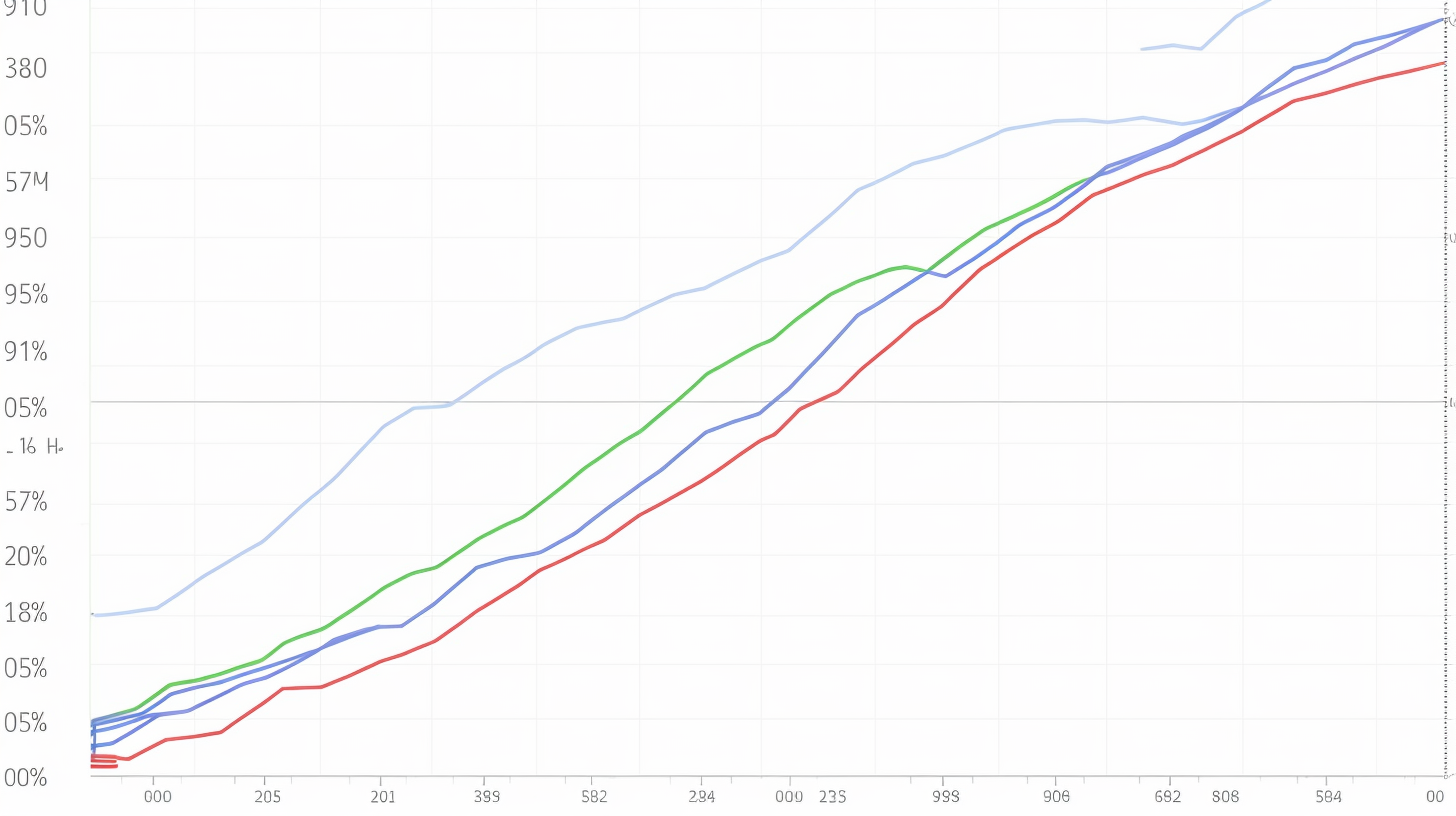
Institutional investors continue to target major office towers, large-scale industrial sites and substantial retail centers, pushing top-tier properties to their sixth consecutive month of price increases with a 0.4% jump in November. Meanwhile, small investors and independent property owners are navigating falling valuations and softer demand in lower-tier markets.
This upward trend in premium assets is supported by the latest CoStar CCRSI monthly report, one of the industry’s most trusted repeat-sale indicators.
A Market Defined by Divide
The widening contrast between asset classes is largely due to the most constrained construction environment in over a decade. CoStar reports that commercial development has slowed to its lowest level since 2013, tightening supply even as demand softens. Forecasts indicate a net loss of 100 million square feet in occupied space for 2025—marking the toughest decline since the Great Recession.
The value-weighted U.S. Composite Index, which captures high-value trades, rose 1.1% this quarter. Meanwhile, the equal-weighted index—used to track smaller deals—fell 0.9% in November, underscoring the sharp divide in market performance.
Lower Rates Fuel Premium Sales
Interest rate cuts are reshaping investor behavior. With the U.S. Federal Reserve reducing rates three times since September, borrowing is now at its most affordable level in years. This shift particularly benefits institutional buyers who act quickly when financing conditions improve.
“Total sales volume for November was up more than 10% year over year,” said Chad Littell, CoStar’s national director of U.S. capital markets analytics. “We expect even more deals to surface by late December, with the full picture emerging in January.”
Construction Slowdown and Space Givebacks
For the first time since 2013, new property openings in Q4 have fallen below 100 million square feet. Looking ahead, completions across office, retail and industrial sectors are projected to decline 34.2% in 2025—dropping to 486.3 million square feet.
Net absorption is also expected to shrink by 100 million square feet next year, marking the most significant setback since 2009. Still, gradual demand improvements through late 2024 suggest that recovery could eventually extend beyond premium assets.
This month’s CCRSI findings were drawn from 1,049 repeat-sale pairs in November and a dataset of more than 335,000 tracked sales since 1996—one of the richest in the commercial real estate world.
What This Means for Real Estate Professionals
For real estate agents, investors and professionals entering the industry, these changes highlight the importance of understanding market cycles, capital flows and asset-tier performance. Premium properties might be gaining momentum, but transitional markets often hold the greatest long-term opportunity.
If you’re pursuing real estate licensing, continuing education or expanding your investment knowledge, platforms like Cameron Academy offer modern, flexible pathways to stay ahead of the industry. With commercial real estate shifting rapidly, staying informed isn’t just beneficial—it’s essential.
More Articles
Getting licensed or staying ahead in your career can be a journey—but it doesn’t have to be overwhelming. Grab your favorite coffee or tea, take a moment to relax, and browse through our articles. Whether you’re just starting out or renewing your expertise, we’ve got tips, insights, and advice to keep you moving forward. Here’s to your success—one sip and one step at a time!
Cameron Academy is thrilled to offer the Free Annual Florida Real Estate Sales Associate 63-Hour Pre-License Course Livestream. This exclusive event is an opportunity for aspiring real estate professionals to gain expert instruction, access a comprehensive curriculum, and connect with a network of professionals in the industry. The course will be livestreamed from December 04-15, 2023, allowing you to participate from the comfort of your own home or office. Register now to secure your spot in this highly sought-after course. Spaces are limited, so early registration is highly recommended. Take the first step towards your real estate career today!
Coldwell Banker, a renowned real estate brand, has recently appointed Jason Waugh as the new president of Coldwell Banker Affiliates. In his new role, Waugh will be responsible for overseeing the brand's strategy, operations, and sales for its growing network of franchises. This appointment comes as Coldwell Banker aims to further strengthen its position in the real estate market. With an impressive background in the industry, Waugh brings a wealth of experience to his new position. Previously associated with Berkshire Hathaway HomeServices and Berkshire Hathaway Home Services Real Estate Professionals for 18 years, Waugh's expertise and leadership qualities make him an ideal fit for this role.
United Wholesale Mortgage (UWM), the country's leading lender, has increased its agency conforming loan limits to $750,000. This move, ahead of the Federal Housing Finance Agency's expected decision, applies to conventional and VA loans locked from October 11. The decision offers borrowers greater flexibility and access to larger loan amounts, with the benefits of conforming loans. These loans meet the guidelines set by government-sponsored enterprises like Fannie Mae and Freddie Mac, offering lower interest rates and more favorable terms compared to non-conforming or jumbo loans.
PNC Bank has implemented a cost-cutting strategy, leading to layoffs and a shift in focus towards expense management and strategic priorities. The bank aims to streamline operations, improve efficiency, and reallocate resources to align with long-term goals. Despite the layoffs, PNC Bank is committed to supporting affected employees during the transition period. Learn more about PNC Bank's strategy and its impact on the industry at Cameron Academy, a leading career education school.
Government-sponsored enterprise (GSE) loan buybacks have emerged as a significant issue for lenders in the mortgage market. The sudden increase in buybacks from entities like Fannie Mae and Freddie Mac is causing financial and operational strain among lenders. The rise in loan buybacks is largely due to stricter underwriting guidelines enforced by these GSEs. The impact of these buybacks is significant and far-reaching. Lenders not only face financial losses from repurchasing loans, but they also encounter operational challenges. The surge in loan buybacks has created uncertainty in the mortgage market, potentially slowing down the housing market. In response to the challenges posed by loan buybacks, lenders are implementing stricter underwriting practices and enhancing their quality control processes.
The housing market is currently witnessing an unusual trend - a deceleration in the growth of housing inventory, despite the rise in mortgage rates. This unexpected development has triggered concerns among potential buyers and industry experts. With mortgage rates climbing from their historic lows, the number of homes available for sale remains surprisingly stagnant. We investigate the factors contributing to this unexpected stagnation in inventory growth and examine the implications of rising mortgage rates, limited new listings, and an increase in price cuts. We also consider the impact of external elements such as labor reports and geopolitical risks on the housing market.