Premium U.S. Properties Surge While Smaller Assets Struggle: Inside the New Two-Tier CRE Market
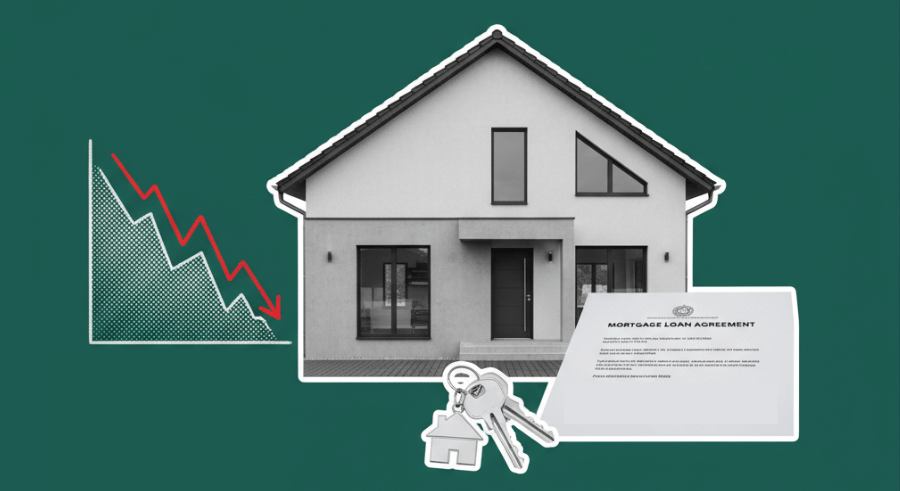
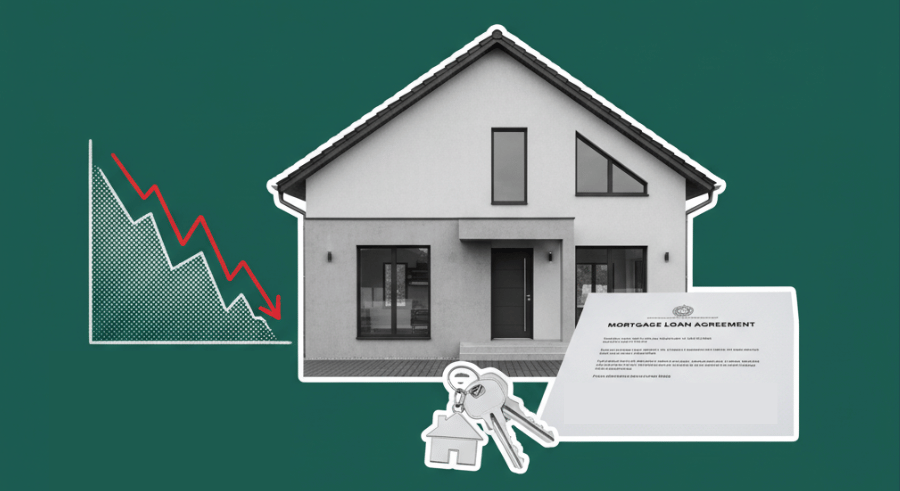
The U.S. commercial real estate landscape is entering a dramatic new phase—one where high-value, premium properties are steadily rising, while smaller assets in secondary markets are confronting stronger headwinds. Fresh numbers from the CoStar Commercial Repeat Sale Indices (CCRSI) reveal a market split in two, forming what analysts now call a two-tier commercial recovery.
Institutional investors continue to target major office towers, large-scale industrial sites and substantial retail centers, pushing top-tier properties to their sixth consecutive month of price increases with a 0.4% jump in November. Meanwhile, small investors and independent property owners are navigating falling valuations and softer demand in lower-tier markets.
This upward trend in premium assets is supported by the latest CoStar CCRSI monthly report, one of the industry’s most trusted repeat-sale indicators.
A Market Defined by Divide
The widening contrast between asset classes is largely due to the most constrained construction environment in over a decade. CoStar reports that commercial development has slowed to its lowest level since 2013, tightening supply even as demand softens. Forecasts indicate a net loss of 100 million square feet in occupied space for 2025—marking the toughest decline since the Great Recession.
The value-weighted U.S. Composite Index, which captures high-value trades, rose 1.1% this quarter. Meanwhile, the equal-weighted index—used to track smaller deals—fell 0.9% in November, underscoring the sharp divide in market performance.
Lower Rates Fuel Premium Sales
Interest rate cuts are reshaping investor behavior. With the U.S. Federal Reserve reducing rates three times since September, borrowing is now at its most affordable level in years. This shift particularly benefits institutional buyers who act quickly when financing conditions improve.
“Total sales volume for November was up more than 10% year over year,” said Chad Littell, CoStar’s national director of U.S. capital markets analytics. “We expect even more deals to surface by late December, with the full picture emerging in January.”
Construction Slowdown and Space Givebacks
For the first time since 2013, new property openings in Q4 have fallen below 100 million square feet. Looking ahead, completions across office, retail and industrial sectors are projected to decline 34.2% in 2025—dropping to 486.3 million square feet.
Net absorption is also expected to shrink by 100 million square feet next year, marking the most significant setback since 2009. Still, gradual demand improvements through late 2024 suggest that recovery could eventually extend beyond premium assets.
This month’s CCRSI findings were drawn from 1,049 repeat-sale pairs in November and a dataset of more than 335,000 tracked sales since 1996—one of the richest in the commercial real estate world.
What This Means for Real Estate Professionals
For real estate agents, investors and professionals entering the industry, these changes highlight the importance of understanding market cycles, capital flows and asset-tier performance. Premium properties might be gaining momentum, but transitional markets often hold the greatest long-term opportunity.
If you’re pursuing real estate licensing, continuing education or expanding your investment knowledge, platforms like Cameron Academy offer modern, flexible pathways to stay ahead of the industry. With commercial real estate shifting rapidly, staying informed isn’t just beneficial—it’s essential.
More Articles
Getting licensed or staying ahead in your career can be a journey—but it doesn’t have to be overwhelming. Grab your favorite coffee or tea, take a moment to relax, and browse through our articles. Whether you’re just starting out or renewing your expertise, we’ve got tips, insights, and advice to keep you moving forward. Here’s to your success—one sip and one step at a time!
Tokenization has surged from crypto niche to global financial disruptor as institutions like Robinhood, BlackRock, and Coinbase race to digitize real-world assets. With pro‑crypto political momentum, shifting regulations, and private companies resisting newfound transparency, this emerging wave is transforming how investments are bought, sold, and accessed. For professionals in real estate, finance, lending, and insurance, this shift signals massive opportunity—and equally massive responsibility—as the next era of asset ownership takes shape.
Florida homeowners are finally getting relief as Citizens Property Insurance announces an average 8.7% statewide rate reduction for 2026, with South Florida seeing cuts as high as 14%. Driven by recent tort reforms and a stabilizing market, these decreases signal a major turnaround for an industry once on the brink of collapse — and a potential boost for real estate activity across the state.
After years of roller‑coaster chaos, the 2026 U.S. housing market is easing into something professionals haven’t seen in a long time: balance. Inventory growth has slowed to just 10% year over year—down sharply from 2025’s surge—signaling the end of the pandemic‑era scarcity and the rise of a market driven by real‑time demand and interest rates. With seasonal patterns returning, negotiations replacing bidding wars and rates drifting toward 6%, agents, lenders and investors are finally navigating conditions that look… normal.
More than half of Gen Z investors say they entered the stock market because of social media—not textbooks, not advisors. Viral creators, AI tools, and crypto trends are reshaping how young adults learn about money, invest early, and chase financial freedom. This Fortune‑featured shift highlights a generation determined to build wealth fast, trust digital voices over traditional institutions, and redefine financial education for the future.
After years of extremes, the U.S. housing market is shifting into a more balanced, predictable phase. Inventory growth has cooled from last year’s surge, seasonality is returning, and pricing is becoming increasingly rate‑sensitive. With mortgage rates hovering near 6% and policy changes reshaping investor participation, 2026 is emerging as a negotiation‑driven market where skilled agents, lenders, builders, and investors have a renewed advantage. This new landscape rewards strategy, education, and real‑time demand awareness—making it an ideal moment for professionals to refine their approach and capitalize on the market’s normalization.
A sudden policy shift at the start of 2026 is already pushing mortgage rates lower, dipping them under 6% for the first time in months. New projections suggest the government-sponsored enterprises’ $200 billion in mortgage‑backed securities purchases could accelerate rate declines throughout the year, boosting affordability, home sales, and overall market activity for buyers, sellers, and real estate professionals alike.