PropTech Explodes to $16.7 Billion: Why 2025 Became a Turning Point for Real Estate Innovation
Proptech isn’t just having a moment — it’s having a full‑on renaissance. According to
FacilitiesDive, investors poured an impressive
$16.7 billion into property technology in 2025, representing a massive 67.9% increase from the previous year.
This isn’t just growth — it’s a launch point that pushes the industry well beyond pre‑pandemic highs.
The Center for Real Estate Technology & Innovation
(CRETI) confirms that even with cautious investor behavior and tighter scrutiny,
capital formation staged a confident comeback. But what’s more compelling than the dollar amount is where this money is going.
What’s Driving This Surge?
Investors are focusing heavily on AI‑powered tools that integrate directly into daily operations — not shiny distractions, but mission‑critical systems.
From automated building controls and occupancy intelligence to predictive maintenance and portfolio analytics, the most funded platforms are those delivering immediate, measurable impact.
Matt Knight, executive director at the Foundation for Innovation in Real Estate, summarized the mood best:
“Each of the last two years, people are like, ‘It can’t be as bad as last year.’ But it kind of has been.”
Even so, industry optimism remains strong — largely because the long‑expected wave of consolidation still hasn’t hit.
In the multifamily sector, tension between banks and borrowers continues to shape tech spending. While many predicted acquisitions and mergers, most have yet to materialize, adding complexity to the innovation landscape.
2026: The Year of Selective Growth
According to Aaron Ru of RET Ventures, capital isn’t disappearing — it’s simply being distributed more selectively.
Companies with proven fundamentals, strong retention, and loyal user bases are rising to the top. Meanwhile, startups from the frothy 2021–2022 era may encounter new pressures.
Technologies currently leading the pack include:
Leasing and marketing automation systems
Intelligent maintenance and procurement optimization
Resident communication and engagement platforms
Portfolio‑level data visibility tools
Artificial intelligence remains the star of the show — but expectations have matured. No more surface‑level “AI-washed” features.
Investors want durable, operationally essential AI built on powerful, well‑structured data systems.
As margins tighten and operational expectations rise, efficiency and simplification are becoming the core themes of 2026.
Teams are getting leaner, challenges more complex — and technology must not only perform, but also pay for itself quickly.
The Cameron Academy Takeaway
Proptech isn’t just reshaping real estate — it’s rewriting the skills professionals need to stay competitive.
Whether you’re entering the industry or expanding your expertise, understanding emerging technologies is no longer optional.
Cameron Academy supports future‑ready professionals with licensing and continuing education across real estate, mortgage, insurance, finance, and more.
The industry is moving fast — and we make sure you can move faster.
Proptech’s astonishing $16.7B milestone is far more than a headline. It’s a signal.
A shift.
A new era for the real estate industry — and those who stay informed will be the ones who lead it.
More Articles
Getting licensed or staying ahead in your career can be a journey—but it doesn’t have to be overwhelming. Grab your favorite coffee or tea, take a moment to relax, and browse through our articles. Whether you’re just starting out or renewing your expertise, we’ve got tips, insights, and advice to keep you moving forward. Here’s to your success—one sip and one step at a time!
Florida homeowners — especially in hard‑hit South Florida — are set to see rare and substantial reductions in their property insurance premiums. Gov. Ron DeSantis announced an average statewide Citizens Insurance decrease of 8.7%, with even larger savings of up to 14% in counties like Miami-Dade, Broward, and Palm Beach. State officials credit recent legal and regulatory reforms for stabilizing the market, attracting new insurers, and delivering the first meaningful rate relief Floridians have seen in years.
Tampa’s commercial real estate market isn’t slowing—it’s maturing. With strong population growth, rising office demand, a normalized industrial sector, resurgent retail, and an emerging health‑care real estate boom, investors are shifting from speed to strategy. Tighter underwriting, cautious capital and increased due‑diligence are shaping a more disciplined market, creating new opportunities for informed professionals.
Florida homeowners are finally seeing relief as Citizens Property Insurance announces a major 8.7% average rate decrease—far larger than originally proposed. Driven by legislative reforms, fewer lawsuits, and a calm hurricane season, the state’s once‑unstable insurance market is showing real signs of recovery. But with reduced coverage limits and shifting legal protections, experts warn that lower premiums may come with hidden trade‑offs.
After a decade of rising premiums and retreating carriers, Florida homeowners are finally seeing long‑awaited relief. Dozens of insurers have filed for rate decreases—some as high as 11%—thanks to legislative reforms and a stabilizing market. Early approvals are already hitting counties across the state, and experts say the momentum could boost buyer confidence, affordability, and competition throughout Florida’s real estate and insurance sectors.
After years of slowed activity caused by rising interest rates, the self‑storage industry is heating up again. New data from Marcus & Millichap shows a fresh market cycle emerging, driven by renewed buyer confidence, recalibrated pricing, and stronger lender participation. Acquisitions are rebounding, development is resetting in a healthier direction, and financing conditions are improving—creating one of the most promising investment landscapes the sector has seen in years.
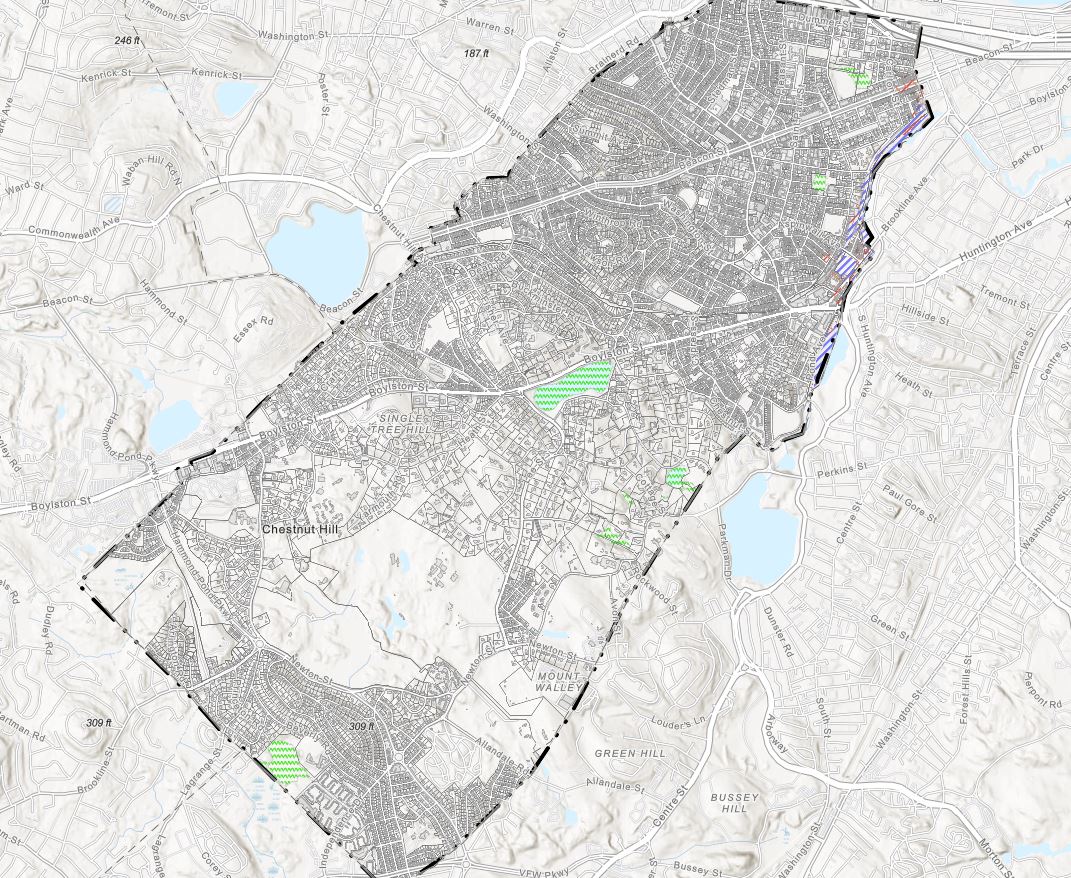
Brookline’s newly updated FEMA flood maps identify 97 high‑risk parcels, but local experts warn the true threat is far greater. While FEMA highlights river‑based flooding around Leverett Pond and the Muddy River, alternative models show more than 1,300 Brookline properties at risk within 30 years. Hidden vulnerabilities along major corridors like Beacon Street, rising rainfall intensity, aging infrastructure, and climate‑driven storm patterns suggest that many “low‑risk” areas may be anything but safe.