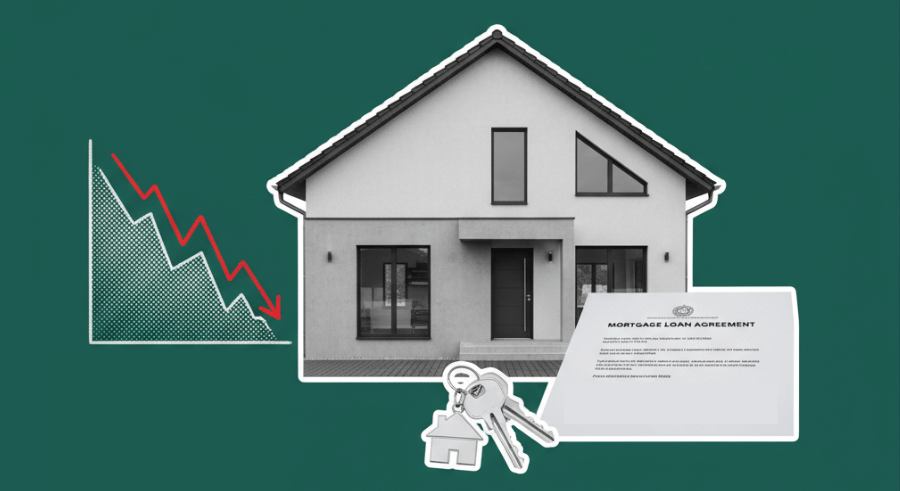
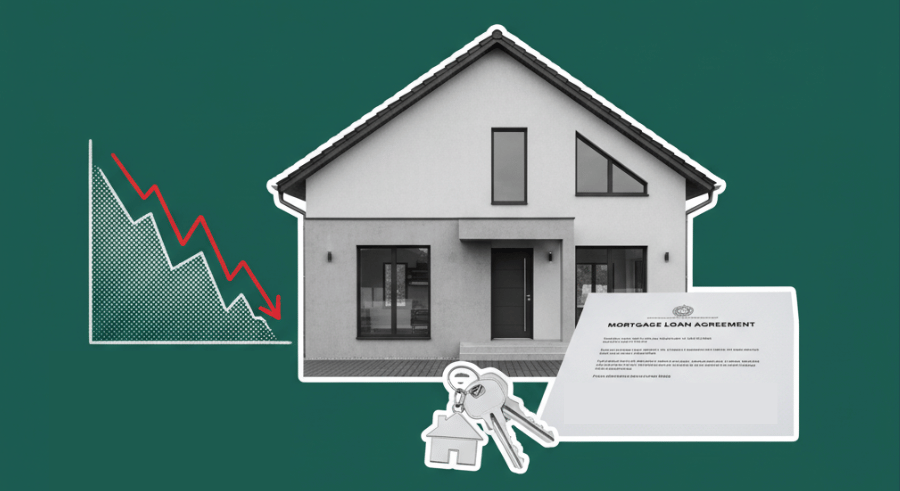
PropTech Explodes to $16.7 Billion: Why 2025 Became a Turning Point for Real Estate Innovation
Proptech isn’t just having a moment — it’s having a full‑on renaissance. According to
FacilitiesDive, investors poured an impressive
$16.7 billion into property technology in 2025, representing a massive 67.9% increase from the previous year.
This isn’t just growth — it’s a launch point that pushes the industry well beyond pre‑pandemic highs.
The Center for Real Estate Technology & Innovation
(CRETI) confirms that even with cautious investor behavior and tighter scrutiny,
capital formation staged a confident comeback. But what’s more compelling than the dollar amount is where this money is going.
What’s Driving This Surge?
Investors are focusing heavily on AI‑powered tools that integrate directly into daily operations — not shiny distractions, but mission‑critical systems.
From automated building controls and occupancy intelligence to predictive maintenance and portfolio analytics, the most funded platforms are those delivering immediate, measurable impact.
Matt Knight, executive director at the Foundation for Innovation in Real Estate, summarized the mood best:
“Each of the last two years, people are like, ‘It can’t be as bad as last year.’ But it kind of has been.”
Even so, industry optimism remains strong — largely because the long‑expected wave of consolidation still hasn’t hit.
In the multifamily sector, tension between banks and borrowers continues to shape tech spending. While many predicted acquisitions and mergers, most have yet to materialize, adding complexity to the innovation landscape.
2026: The Year of Selective Growth
According to Aaron Ru of RET Ventures, capital isn’t disappearing — it’s simply being distributed more selectively.
Companies with proven fundamentals, strong retention, and loyal user bases are rising to the top. Meanwhile, startups from the frothy 2021–2022 era may encounter new pressures.
Technologies currently leading the pack include:
Leasing and marketing automation systems
Intelligent maintenance and procurement optimization
Resident communication and engagement platforms
Portfolio‑level data visibility tools
Artificial intelligence remains the star of the show — but expectations have matured. No more surface‑level “AI-washed” features.
Investors want durable, operationally essential AI built on powerful, well‑structured data systems.
As margins tighten and operational expectations rise, efficiency and simplification are becoming the core themes of 2026.
Teams are getting leaner, challenges more complex — and technology must not only perform, but also pay for itself quickly.
The Cameron Academy Takeaway
Proptech isn’t just reshaping real estate — it’s rewriting the skills professionals need to stay competitive.
Whether you’re entering the industry or expanding your expertise, understanding emerging technologies is no longer optional.
Cameron Academy supports future‑ready professionals with licensing and continuing education across real estate, mortgage, insurance, finance, and more.
The industry is moving fast — and we make sure you can move faster.
Proptech’s astonishing $16.7B milestone is far more than a headline. It’s a signal.
A shift.
A new era for the real estate industry — and those who stay informed will be the ones who lead it.
More Articles
Getting licensed or staying ahead in your career can be a journey—but it doesn’t have to be overwhelming. Grab your favorite coffee or tea, take a moment to relax, and browse through our articles. Whether you’re just starting out or renewing your expertise, we’ve got tips, insights, and advice to keep you moving forward. Here’s to your success—one sip and one step at a time!
Tokenization has surged from crypto niche to global financial disruptor as institutions like Robinhood, BlackRock, and Coinbase race to digitize real-world assets. With pro‑crypto political momentum, shifting regulations, and private companies resisting newfound transparency, this emerging wave is transforming how investments are bought, sold, and accessed. For professionals in real estate, finance, lending, and insurance, this shift signals massive opportunity—and equally massive responsibility—as the next era of asset ownership takes shape.
Florida homeowners are finally getting relief as Citizens Property Insurance announces an average 8.7% statewide rate reduction for 2026, with South Florida seeing cuts as high as 14%. Driven by recent tort reforms and a stabilizing market, these decreases signal a major turnaround for an industry once on the brink of collapse — and a potential boost for real estate activity across the state.
After years of roller‑coaster chaos, the 2026 U.S. housing market is easing into something professionals haven’t seen in a long time: balance. Inventory growth has slowed to just 10% year over year—down sharply from 2025’s surge—signaling the end of the pandemic‑era scarcity and the rise of a market driven by real‑time demand and interest rates. With seasonal patterns returning, negotiations replacing bidding wars and rates drifting toward 6%, agents, lenders and investors are finally navigating conditions that look… normal.
More than half of Gen Z investors say they entered the stock market because of social media—not textbooks, not advisors. Viral creators, AI tools, and crypto trends are reshaping how young adults learn about money, invest early, and chase financial freedom. This Fortune‑featured shift highlights a generation determined to build wealth fast, trust digital voices over traditional institutions, and redefine financial education for the future.
After years of extremes, the U.S. housing market is shifting into a more balanced, predictable phase. Inventory growth has cooled from last year’s surge, seasonality is returning, and pricing is becoming increasingly rate‑sensitive. With mortgage rates hovering near 6% and policy changes reshaping investor participation, 2026 is emerging as a negotiation‑driven market where skilled agents, lenders, builders, and investors have a renewed advantage. This new landscape rewards strategy, education, and real‑time demand awareness—making it an ideal moment for professionals to refine their approach and capitalize on the market’s normalization.
A sudden policy shift at the start of 2026 is already pushing mortgage rates lower, dipping them under 6% for the first time in months. New projections suggest the government-sponsored enterprises’ $200 billion in mortgage‑backed securities purchases could accelerate rate declines throughout the year, boosting affordability, home sales, and overall market activity for buyers, sellers, and real estate professionals alike.