Proptech Promised a Revolution — So Why Does Real Estate Still Feel the Same?
Every year, a new wave of proptech startups promises to disrupt real estate as we know it. Flashy apps, sleek dashboards and digital tools captivate the market with claims of faster, simpler, smarter transactions. Yet for most buyers and sellers, the process still feels… strangely familiar.
Sure, you can tour a home in 3D, sign paperwork from your phone and compare mortgage quotes online. But beneath the shiny interface, the industry’s core structure — how decisions are made, how information flows and who controls it — looks almost identical to the real estate world of a decade ago.
The truth? Proptech digitized everything except the parts that actually needed disruption.
The Digital Upgrade Without the Industry Upgrade
Proptech has ballooned into a multi‑billion‑dollar industry, attracting venture capital and media buzz. But much of that innovation sits on top of the same dated real estate model.
Listing portals still sell leads. Transaction platforms still feed traditional commission structures. Instant‑offer programs recreated the same pricing opacity they claimed to eliminate — just behind new algorithmic curtains.
For consumers, the experience may look more polished, but the power dynamics remain the same.
Tap to think: Has tech made buying or selling a home feel more transparent to you — or just more digital?
Where True Disruption Actually Begins
Real change doesn’t come from another app. It comes from shifting control to the consumer. The fintech world proved this: when everyday people gained access to their own financial data, the entire banking industry evolved.
But in real estate, essential information — comparable sales, local market trends, verified property data — remains fragmented or locked behind paywalls and legacy systems.
Platforms like Ownli are pushing the opposite direction, giving homeowners access to verified data usually reserved for industry professionals. The effect is powerful: when consumers finally see what the experts see, decision‑making becomes fair, confident and transparent.
The Real Reason Proptech Keeps Falling Short
It’s not the technology holding progress back — it’s the deeply embedded friction in the real estate ecosystem. Every step of a transaction involves gatekeepers, commissions or tradition‑bound processes that resist being rebuilt.
So startups settle for enhancements instead of reinvention. Efficiency instead of empowerment. Digital middlemen instead of structural change.
Efficiency without transparency isn’t innovation. It’s theater.
What Will Actually Drive the Next Proptech Revolution?
The future belongs to companies that make real estate trustworthy, not just digital. Verified data. Transparent pricing. Processes that homeowners can actually understand — and believe.
That means technology must simplify, not obscure. Illuminate, not gatekeep. Empower, not funnel.
The real winners of the next decade won’t be the platforms with the prettiest interface — but the ones bold enough to make the entire system honest.
The Bottom Line
Proptech doesn’t have a tech problem. It has a transparency problem. And until consumers hold the same information as the professionals across the table, we haven’t reinvented real estate — we’ve just repackaged it.
The companies willing to embrace openness will reshape the market. The rest will continue to look modern on the surface but remain outdated underneath.
For professionals, this shift underscores the importance of staying educated. As tools evolve and consumers gain more data access, agents and brokers with strong knowledge and licensing will stand out more than ever. That’s why institutions like Cameron Academy play a crucial role — helping today’s professionals stay ahead of tomorrow’s disruptions.
More Articles
Getting licensed or staying ahead in your career can be a journey—but it doesn’t have to be overwhelming. Grab your favorite coffee or tea, take a moment to relax, and browse through our articles. Whether you’re just starting out or renewing your expertise, we’ve got tips, insights, and advice to keep you moving forward. Here’s to your success—one sip and one step at a time!
November marked another cooldown for commercial real estate, with total deal volume dropping 10% year over year and falling below even 2020’s levels. While overall activity is slowing, investors are concentrating their money on bigger, more resilient assets—driving a 51% surge in deals over $100 million and pushing average transaction sizes well above historical norms. Multifamily remains the strongest sector, office deals are becoming more strategically focused, and medical office and data centers continue to outperform as long‑term demand stays solid.
After years of stalled activity, commercial real estate may finally be nearing a rebound. Experts say that expected interest‑rate drops in 2026 could reignite investor confidence, unlock sidelined capital, and boost deal flow across multiple sectors. But the outlook isn’t uniformly sunny—multifamily faces oversupply, industrial is cooling after years of rapid growth, and weakening employment conditions may slow absorption. For professionals across real estate, mortgage, insurance, and finance, the shifting landscape presents both challenges and major opportunities for those who stay informed and properly licensed.
Consumer Reports delivered a major warning to Congress, highlighting how rapidly expanding fintech tools—especially AI‑driven platforms—are outpacing consumer protections. In testimony before the House Subcommittee on Digital Assets, Financial Technology and AI, CR called for stronger, clearer rules to prevent hidden fees, predatory practices, and confusion within digital financial products. For professionals in real estate, mortgages, insurance, and finance, these emerging regulations may soon influence lending decisions, underwriting, credit evaluations, and compliance expectations across the industry.
Amazon is preparing to cut up to 30,000 corporate jobs by mid‑2026 as it pivots aggressively toward automation and AI. Following 14,000 layoffs in late 2025, the company is eliminating layers of management to redirect billions into robotics, generative AI systems, and supercomputing partnerships. While warehouse hiring continues for seasonal demand, Amazon’s internal shift reveals a broader nationwide trend: white‑collar roles across tech, finance, logistics, and more are being reshaped by automation at unprecedented speed.
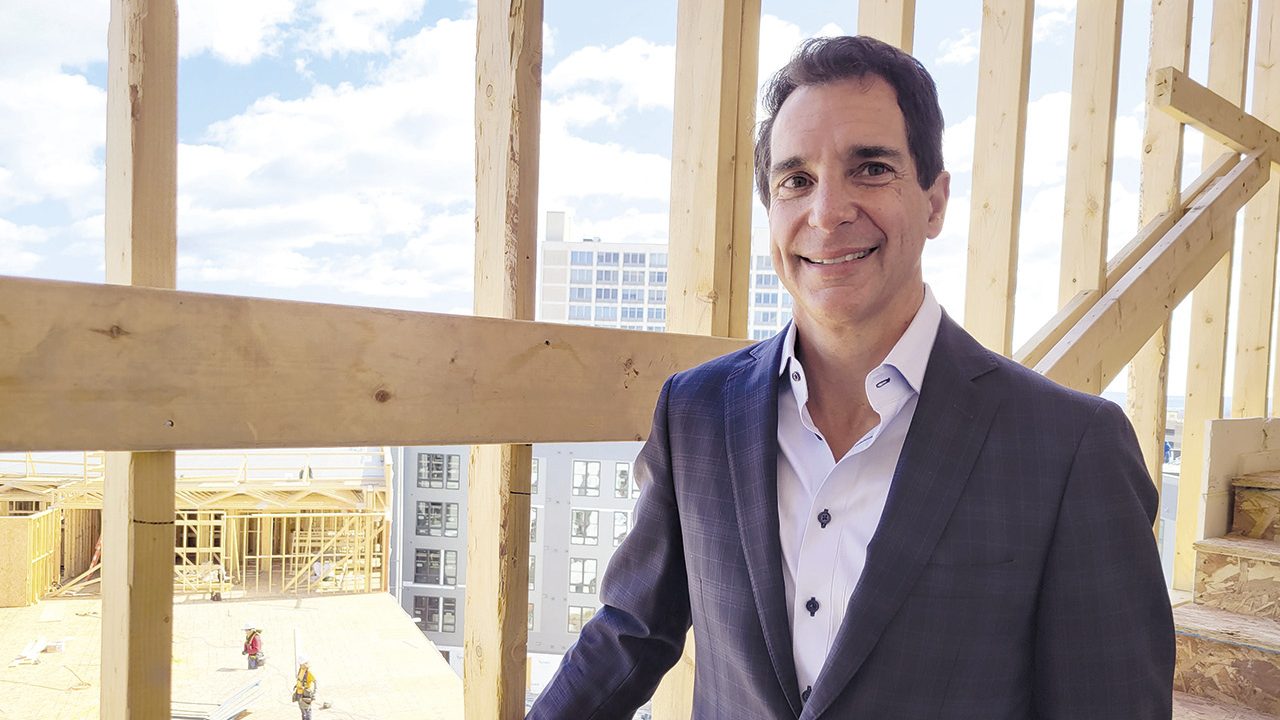
Florida’s real estate market enters 2026 with new leadership at the helm as Chuck Bonfiglio, broker-owner of AAA Realty Group, is officially installed as President of Florida Realtors. With more than 230,000 members behind the association, Bonfiglio highlights affordability, insurance reform, and taxes as key priorities while expressing optimism about easing mortgage rates, stabilizing prices, and growing inventory. Backed by years of statewide and national Realtor leadership, he aims to guide professionals through another transformative year alongside a newly appointed 2026 leadership team.
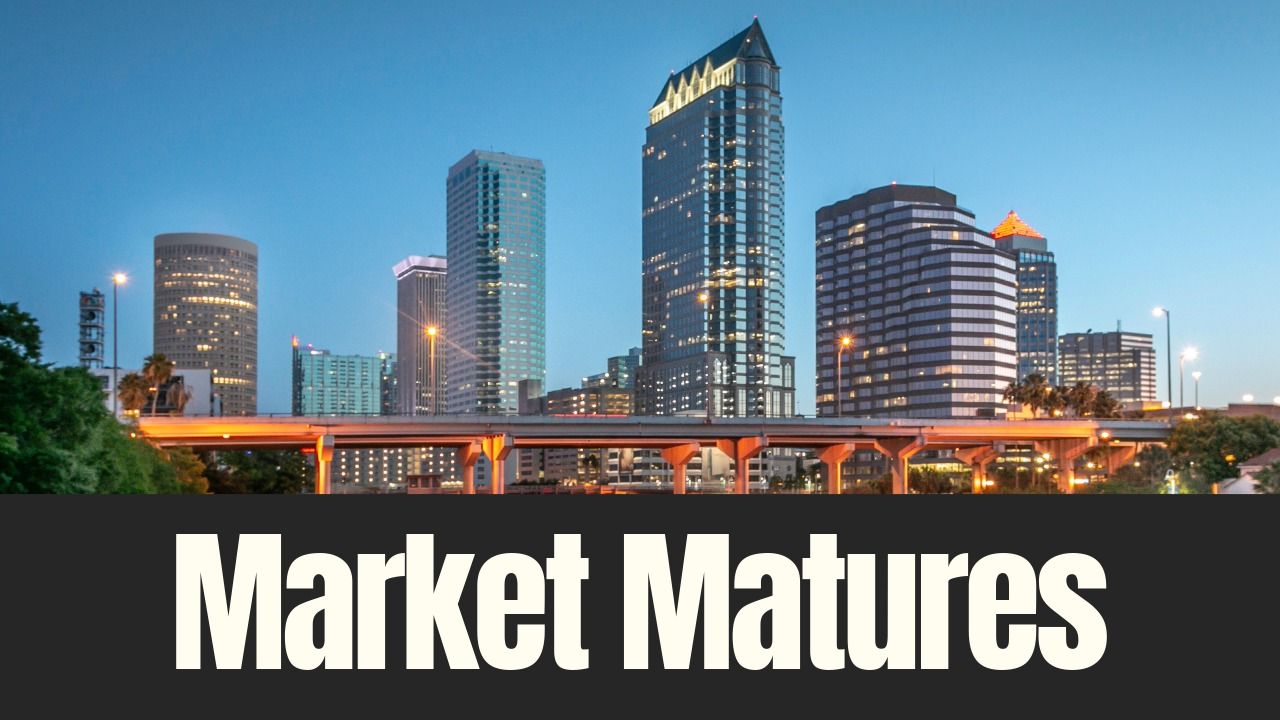
Tampa isn’t cooling off—it’s getting smarter. After years of rapid expansion, the city’s commercial real estate market has shifted into a more disciplined, selective phase. Population growth remains strong, office leasing is outperforming national trends, industrial activity is normalizing sustainably, and retail is seeing renewed investor confidence. With capital becoming more cautious and health care real estate emerging as a major growth sector, Tampa is entering a new era focused on strategy, execution, and long‑term fundamentals.