Proptech Promised a Revolution — So Why Does Real Estate Still Feel the Same?
Every year, a new wave of proptech startups promises to disrupt real estate as we know it. Flashy apps, sleek dashboards and digital tools captivate the market with claims of faster, simpler, smarter transactions. Yet for most buyers and sellers, the process still feels… strangely familiar.
Sure, you can tour a home in 3D, sign paperwork from your phone and compare mortgage quotes online. But beneath the shiny interface, the industry’s core structure — how decisions are made, how information flows and who controls it — looks almost identical to the real estate world of a decade ago.
The truth? Proptech digitized everything except the parts that actually needed disruption.
The Digital Upgrade Without the Industry Upgrade
Proptech has ballooned into a multi‑billion‑dollar industry, attracting venture capital and media buzz. But much of that innovation sits on top of the same dated real estate model.
Listing portals still sell leads. Transaction platforms still feed traditional commission structures. Instant‑offer programs recreated the same pricing opacity they claimed to eliminate — just behind new algorithmic curtains.
For consumers, the experience may look more polished, but the power dynamics remain the same.
Tap to think: Has tech made buying or selling a home feel more transparent to you — or just more digital?
Where True Disruption Actually Begins
Real change doesn’t come from another app. It comes from shifting control to the consumer. The fintech world proved this: when everyday people gained access to their own financial data, the entire banking industry evolved.
But in real estate, essential information — comparable sales, local market trends, verified property data — remains fragmented or locked behind paywalls and legacy systems.
Platforms like Ownli are pushing the opposite direction, giving homeowners access to verified data usually reserved for industry professionals. The effect is powerful: when consumers finally see what the experts see, decision‑making becomes fair, confident and transparent.
The Real Reason Proptech Keeps Falling Short
It’s not the technology holding progress back — it’s the deeply embedded friction in the real estate ecosystem. Every step of a transaction involves gatekeepers, commissions or tradition‑bound processes that resist being rebuilt.
So startups settle for enhancements instead of reinvention. Efficiency instead of empowerment. Digital middlemen instead of structural change.
Efficiency without transparency isn’t innovation. It’s theater.
What Will Actually Drive the Next Proptech Revolution?
The future belongs to companies that make real estate trustworthy, not just digital. Verified data. Transparent pricing. Processes that homeowners can actually understand — and believe.
That means technology must simplify, not obscure. Illuminate, not gatekeep. Empower, not funnel.
The real winners of the next decade won’t be the platforms with the prettiest interface — but the ones bold enough to make the entire system honest.
The Bottom Line
Proptech doesn’t have a tech problem. It has a transparency problem. And until consumers hold the same information as the professionals across the table, we haven’t reinvented real estate — we’ve just repackaged it.
The companies willing to embrace openness will reshape the market. The rest will continue to look modern on the surface but remain outdated underneath.
For professionals, this shift underscores the importance of staying educated. As tools evolve and consumers gain more data access, agents and brokers with strong knowledge and licensing will stand out more than ever. That’s why institutions like Cameron Academy play a crucial role — helping today’s professionals stay ahead of tomorrow’s disruptions.
More Articles
Getting licensed or staying ahead in your career can be a journey—but it doesn’t have to be overwhelming. Grab your favorite coffee or tea, take a moment to relax, and browse through our articles. Whether you’re just starting out or renewing your expertise, we’ve got tips, insights, and advice to keep you moving forward. Here’s to your success—one sip and one step at a time!
Florida homeowners — especially in hard‑hit South Florida — are set to see rare and substantial reductions in their property insurance premiums. Gov. Ron DeSantis announced an average statewide Citizens Insurance decrease of 8.7%, with even larger savings of up to 14% in counties like Miami-Dade, Broward, and Palm Beach. State officials credit recent legal and regulatory reforms for stabilizing the market, attracting new insurers, and delivering the first meaningful rate relief Floridians have seen in years.
Tampa’s commercial real estate market isn’t slowing—it’s maturing. With strong population growth, rising office demand, a normalized industrial sector, resurgent retail, and an emerging health‑care real estate boom, investors are shifting from speed to strategy. Tighter underwriting, cautious capital and increased due‑diligence are shaping a more disciplined market, creating new opportunities for informed professionals.
Florida homeowners are finally seeing relief as Citizens Property Insurance announces a major 8.7% average rate decrease—far larger than originally proposed. Driven by legislative reforms, fewer lawsuits, and a calm hurricane season, the state’s once‑unstable insurance market is showing real signs of recovery. But with reduced coverage limits and shifting legal protections, experts warn that lower premiums may come with hidden trade‑offs.
After a decade of rising premiums and retreating carriers, Florida homeowners are finally seeing long‑awaited relief. Dozens of insurers have filed for rate decreases—some as high as 11%—thanks to legislative reforms and a stabilizing market. Early approvals are already hitting counties across the state, and experts say the momentum could boost buyer confidence, affordability, and competition throughout Florida’s real estate and insurance sectors.
After years of slowed activity caused by rising interest rates, the self‑storage industry is heating up again. New data from Marcus & Millichap shows a fresh market cycle emerging, driven by renewed buyer confidence, recalibrated pricing, and stronger lender participation. Acquisitions are rebounding, development is resetting in a healthier direction, and financing conditions are improving—creating one of the most promising investment landscapes the sector has seen in years.
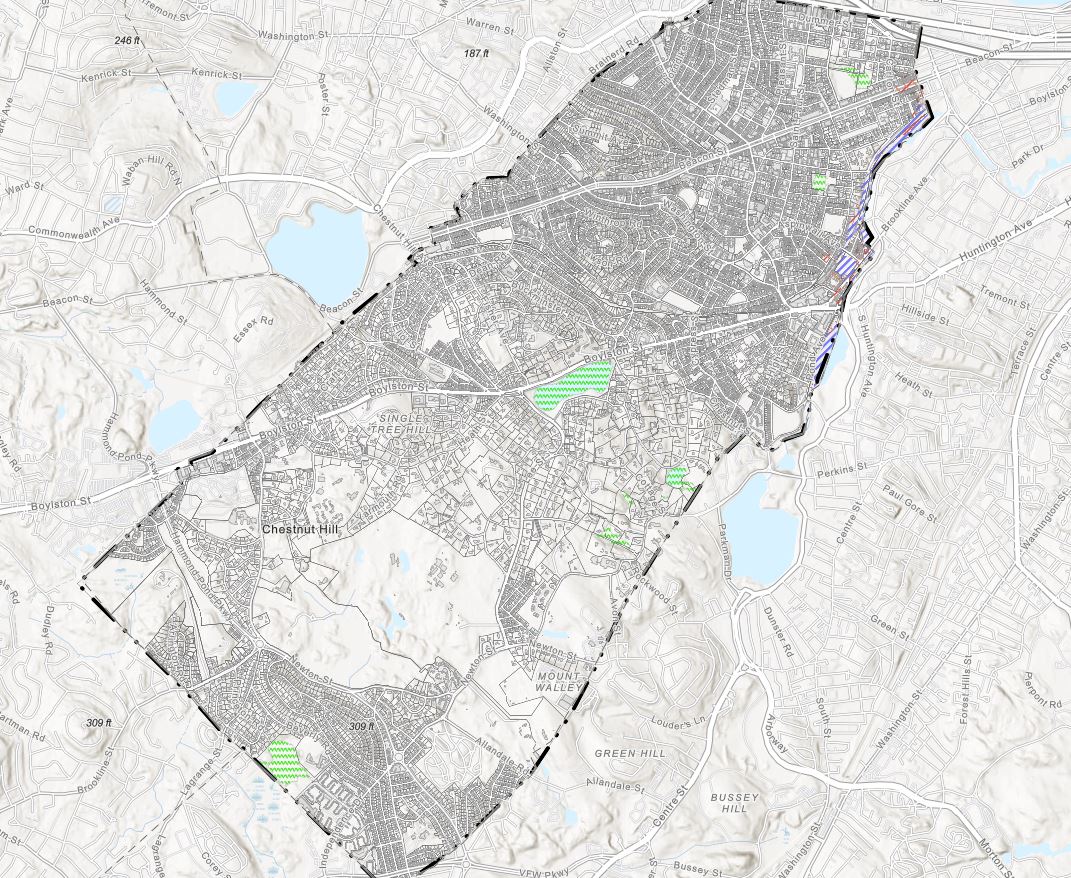
Brookline’s newly updated FEMA flood maps identify 97 high‑risk parcels, but local experts warn the true threat is far greater. While FEMA highlights river‑based flooding around Leverett Pond and the Muddy River, alternative models show more than 1,300 Brookline properties at risk within 30 years. Hidden vulnerabilities along major corridors like Beacon Street, rising rainfall intensity, aging infrastructure, and climate‑driven storm patterns suggest that many “low‑risk” areas may be anything but safe.