In a recent report from Realtor.com, down payments have shown a slight decline in the third quarter of 2024, yet they remain near the historic highs seen earlier this year. This shift comes after a peak in the second quarter, a trend influenced by a mix of seasonal forces and economic factors, including fluctuating mortgage rates and market dynamics.
Down Payments Ease but Remain High
The average down payment fell to 14.5% in Q3 2024 from the historical peak of 14.9% in Q2. This represents a modest decrease but still ranks as the third-highest percentage in recent history. The median down payment amount also dropped slightly to $30,300 from $32,700, reflecting the easing competition in the housing market.
Regional Disparities in Down Payment Trends
Regional differences are evident, with the Northeast states experiencing the most significant increases in down payments, while Southern states are witnessing declines. High-priced metros continue to demand larger down payments, but more affordable regions are seeing the most growth. This disparity highlights the ongoing impact of economic dynamics and buyer behavior across the nation.
The Role of Pandemic-Era Savings
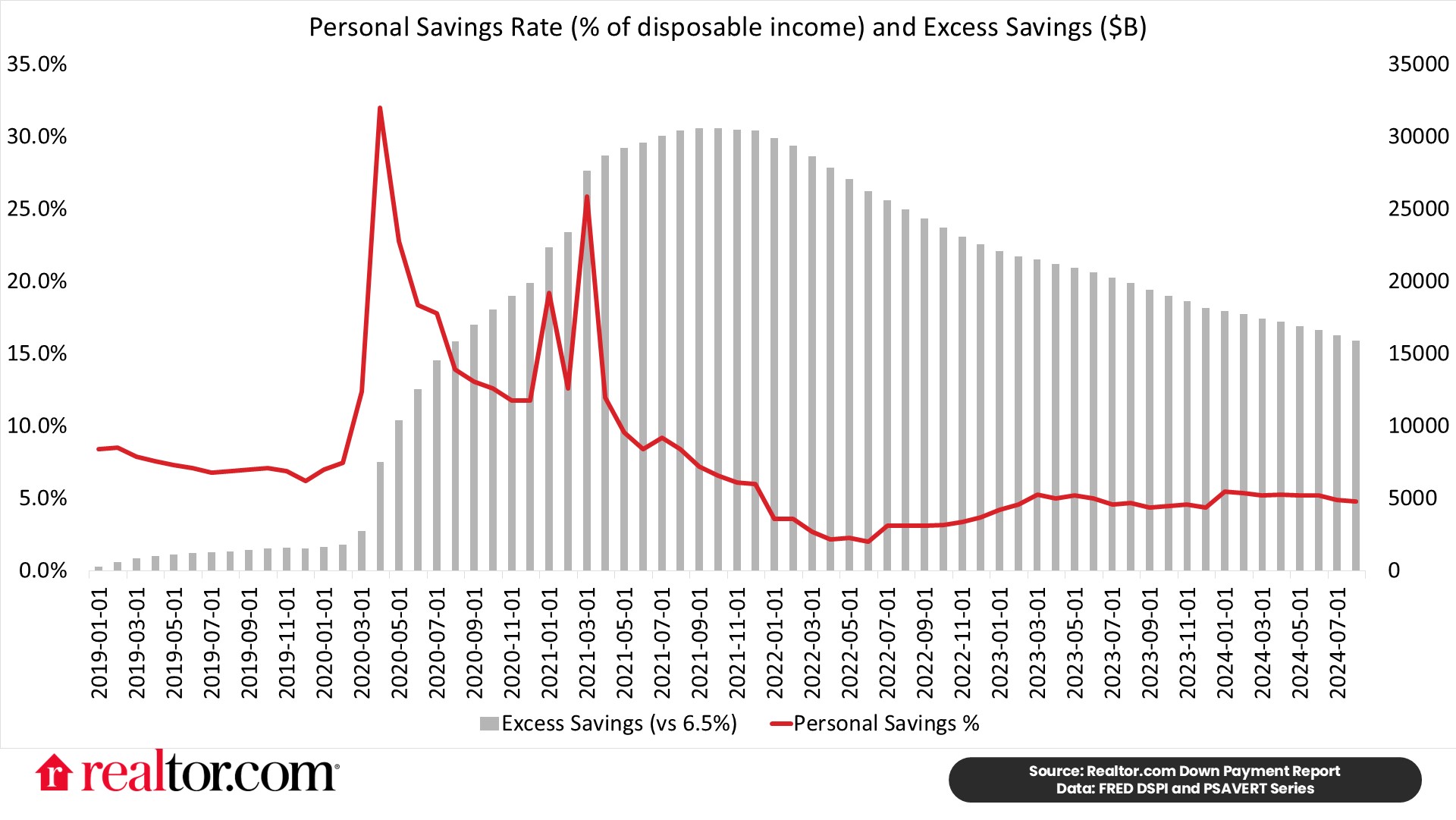
The influence of pandemic-era savings is still felt in the market. During the pandemic, personal savings rates surged, allowing many buyers to afford larger down payments. Although savings rates have since fallen, the accumulated savings continue to support consumer spending and home buying.
Impact of Falling Mortgage Rates
The recent drop in mortgage rates, which began in May and stayed below 7% from June, is expected to further impact down payment trends. As rates continue to fall, potential buyers might hold off in anticipation of even lower rates, or conversely, increased buyer competition could drive down payments upward again.
Primary Residences vs. Investment Properties
Primary residences typically see lower down payments compared to second homes and investment properties, which have down payments nearly double the typical share of primary residences. In dollar terms, down payments for investment and second homes were significantly larger than those for primary residences in Q3 2024.
Future Outlook
As we look ahead, the question remains whether this easing trend will continue or if down payments will climb again due to market conditions. The interplay of mortgage rates, personal savings, and housing market dynamics will continue to shape these trends.
Getting licensed or staying ahead in your career can be a journey—but it doesn’t have to be overwhelming. Grab your favorite coffee or tea, take a moment to relax, and browse through our articles. Whether you’re just starting out or renewing your expertise, we’ve got tips, insights, and advice to keep you moving forward. Here’s to your success—one sip and one step at a time!
Skyrocketing insurance premiums and soaring rebuilding costs are transforming communities across Southwest Florida, especially in the wake of Hurricane Ian. As longtime residents struggle to keep up with rising financial pressure, wealthier newcomers and stricter building standards are reshaping the identity of places like Fort Myers Beach. With insurance rates now driving home sales, triggering potential foreclosures, and squeezing both owners and renters, Florida’s middle-class families face a growing question: can they afford to stay in the state they love?
Florida’s insurance industry is stabilizing fast, with nearly 1.6 million policies shifting from Citizens to private insurers and litigation dropping sharply. Regulators report stronger market confidence, decreasing premiums, and renewed competition—signaling one of the healthiest periods the state has seen in years.
A Leon County judge has ordered the restart of arbitration for Citizens Property Insurance claims, directly conflicting with a previous ruling that halted the process as potentially unconstitutional. With more than 400 cases now back in motion, real estate, insurance, and mortgage professionals can expect renewed activity in claim disputes and fresh uncertainty as Florida courts clash over the legality of Citizens’ arbitration system.
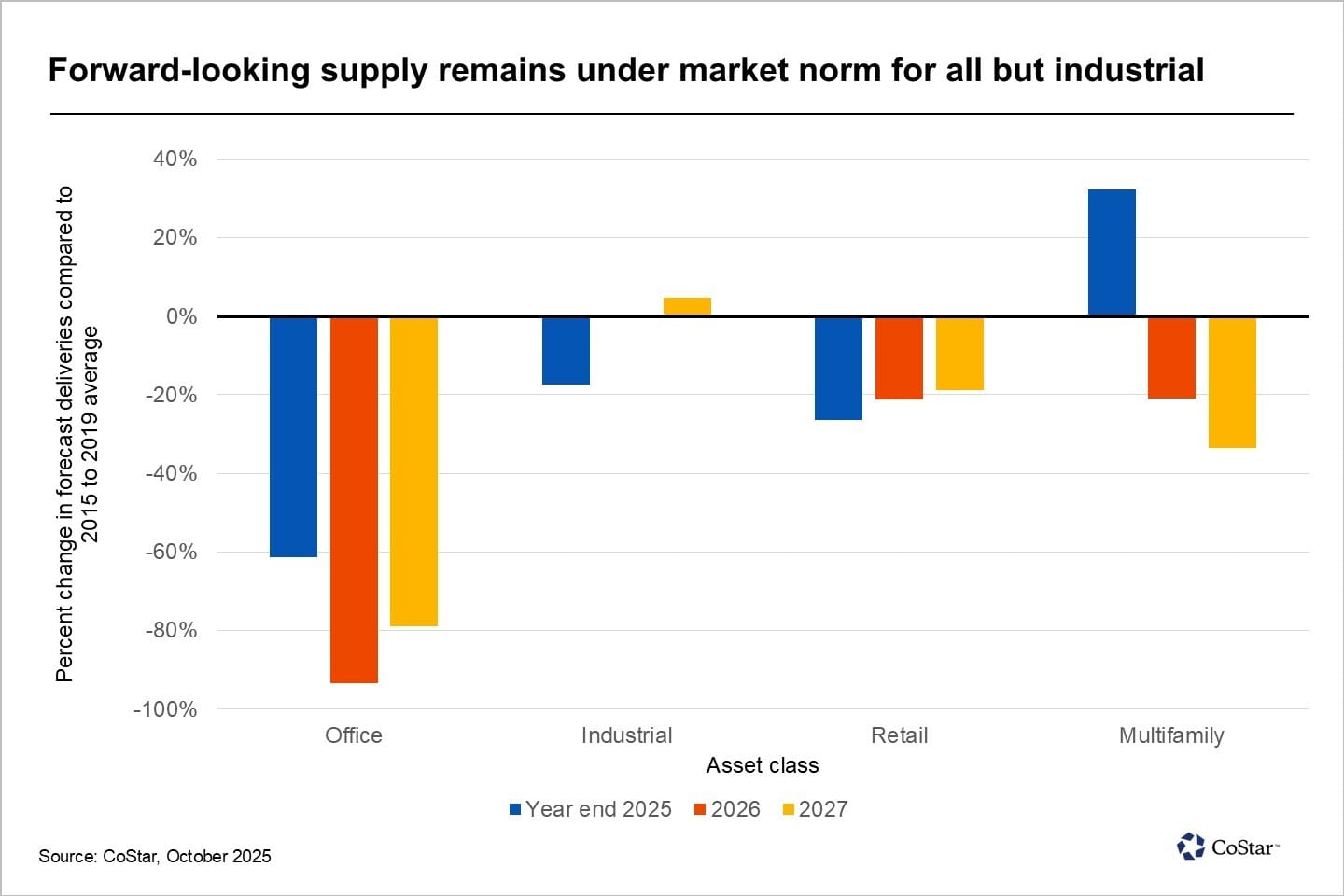
The DFW market is transitioning into a new construction phase marked by a slowdown in office development, a more selective approach to industrial projects, and an evolving housing landscape shaped by affordability and population growth. Developers are recalibrating their priorities, and for real estate professionals, understanding these shifts offers a critical edge in navigating—and capitalizing on—the next phase of the metroplex’s growth.
A new federal lawsuit claims Zillow pushed homebuyers toward Zillow Home Loans by rewarding affiliated agents with valuable leads — all without proper disclosure. The suit alleges undisclosed incentives, referral quotas, and potential RESPA violations, raising major concerns about steering, fiduciary duties, and Zillow’s expanding mortgage ambitions.
The mortgage industry is evolving fast, and the lenders who come out on top will be those who innovate without uprooting what already works. By building on strong technology foundations, streamlining workflows and adopting smart automation, lenders can reduce costs, improve customer experience and stay resilient in any market cycle. This article breaks down why innovation matters now, how a stable tech ecosystem protects lenders in volatile conditions and why small, strategic steps can drive long-term transformation.