Real Estate Agents in North Carolina Take Action Against Lung Cancer

In a groundbreaking initiative, the North Carolina Comprehensive Cancer Control Program has partnered with the state’s Radon Program to combat the silent threat of radon, the second leading cause of lung cancer in the United States. This collaboration has led to the creation of a continuing education course specifically tailored for real estate agents, aiming to educate them on the risks of radon infiltration in homes.

Radon, a naturally occurring gas, seeps into buildings through cracks and holes, posing a significant health risk when accumulated. The course, first introduced in 2021, has already demonstrated success, with participating agents showing a marked improvement in their understanding of radon, as their test scores increased from 67% to 88%.

Empowering Real Estate Agents

Real estate agents play a crucial role in this initiative, as they are often the first point of contact for home buyers and sellers. By equipping these professionals with knowledge about radon testing and mitigation, the program aims to increase the number of homes tested for radon during real estate transactions. Sarah Arthur, program coordinator for the North Carolina Comprehensive Cancer Control Program, emphasized, “To encourage more people to get their home tested for radon, we felt the best first step was at the point of sale.”

The course not only educates agents on how radon can enter a home but also guides them in advising clients on hiring professionals to address high radon levels. This proactive approach is a significant step forward in reducing lung cancer cases attributed to radon exposure in North Carolina.

Expanding the Reach

Looking beyond state borders, the North Carolina programs are planning to develop a toolkit to help other states implement similar educational resources. This initiative aims to foster a nationwide effort to educate real estate agents about the dangers of radon, thereby promoting wider awareness and action.

As the program continues to evolve, it stands as a testament to the power of education in public health. By targeting real estate agents, the initiative not only raises awareness but also empowers professionals to make informed decisions that could save lives.


More Articles

Getting licensed or staying ahead in your career can be a journey—but it doesn’t have to be overwhelming. Grab your favorite coffee or tea, take a moment to relax, and browse through our articles. Whether you’re just starting out or renewing your expertise, we’ve got tips, insights, and advice to keep you moving forward. Here’s to your success—one sip and one step at a time!

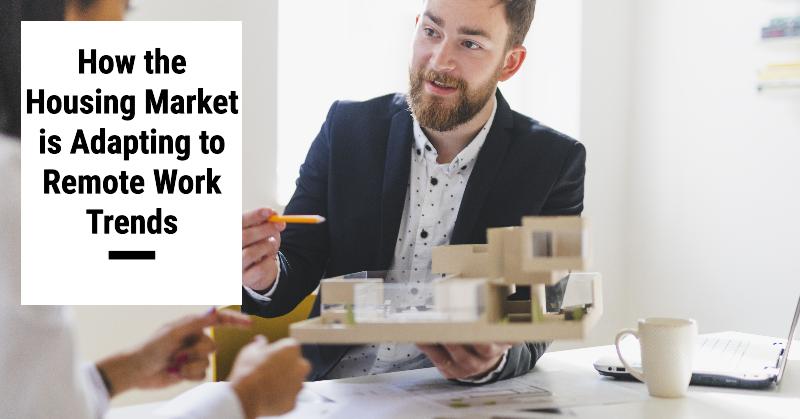
The Remote Work Revolution: Redefining Real Estate

Imagine a morning where the commute is just a few steps from your bedroom to your home office. This is the reality for many in today's post-pandemic world, where remote work has become a staple of the modern workforce.

By |December 2, 2024|Categories: Article, Real Estate, Remote Work|Tags: , |0 Comments

CRISPR: The Future of Gene Editing and Its Clinical Implications

CRISPR technology has become the frontrunner in genome editing, surpassing earlier methods like zinc finger nucleases and transcription activator-like effector nucleases. The recent FDA approval of the CRISPR-Cas9 drug, exa-cel, marks a significant milestone particularly for treating sickle cell disease and transfusion-dependent beta thalassemia.

By |December 1, 2024|Categories: Article, Biotechnology, Medicine|Tags: , |0 Comments

AI Revolution in Oncology: Transformative Potential or Overhyped?

In recent years, artificial intelligence has emerged as a revolutionary tool in the field of oncology. AI's integration into healthcare transcends buzzwords, transforming cancer diagnosis, treatment personalization, and drug discovery.

AI in Radiology: A Double-Edged Sword

The rapid advancements in artificial intelligence (AI) are transforming the landscape of radiology, promising to enhance diagnostic accuracy and support personalized medicine. However, as this technology becomes more integral to medical imaging, it brings with it a host of ethical and societal considerations that cannot be ignored.

Humanity at the Crossroads: Ethical Implications of AI in Medicine

AI's promise in healthcare is undeniable, with its ability to uncover hidden disease patterns and predict illnesses. However, the reliance on historical data can exacerbate existing biases, particularly affecting marginalized communities such as the LGBTQIA+ and certain ethnic and racial groups.

The Future of Telemedicine: Challenges and Opportunities Beyond the Pandemic

Telemedicine stands out as a transformative force, offering a lifeline to patients and providers alike. As we move beyond the pandemic, the challenge is to integrate this technology without escalating costs or overshadowing the indispensable role of in-person consultations.

By |November 30, 2024|Categories: Article, Healthcare, Technology|Tags: , |0 Comments