Real Estate Market: A Decade of Transformation

The past few years have witnessed a dramatic escalation in housing prices, largely driven by the pandemic and historically low interest rates. As we look toward the next decade, the burning questions remain: will this upward trend persist, and how will emerging technologies and demographic shifts influence the market?
According to Norada Real Estate Investments, the real estate landscape is poised for significant evolution, characterized by several key trends. Let’s delve into the future of the housing market and explore what lies ahead.

The Emergence of Hybrid Homes

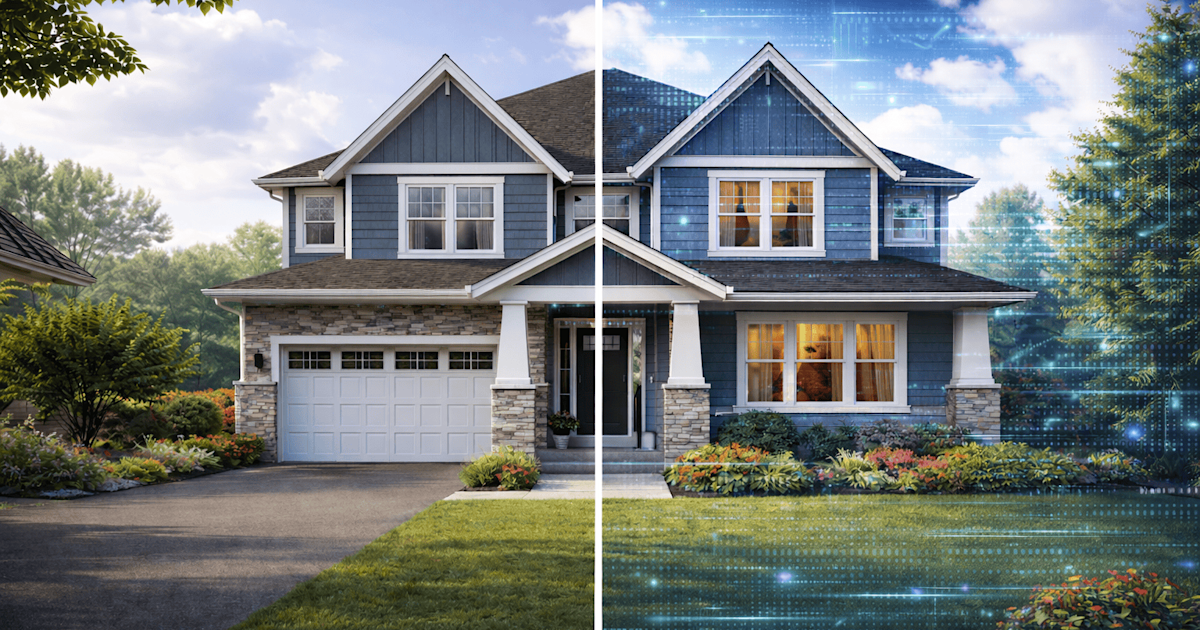
The concept of the “hybrid home” is set to redefine residential living. Beyond merely incorporating a home office, these homes will feature flexible spaces that cater to work, play, and relaxation. Expect an increased emphasis on well-being, with natural light, indoor-outdoor flow, and smart home features becoming essential components.

Tech-Powered Real Estate

Technology will continue to revolutionize real estate. Virtual and augmented reality will transform property tours into immersive experiences, while AI-driven insights will offer personalized recommendations and market forecasts. Blockchain technology is also expected to streamline transactions and enhance security.

Urban Landscapes Reimagined

Cities will undergo a transformation with a focus on mixed-use developments, fostering vibrant, walkable communities. The “15-minute city” concept will gain traction, promoting sustainability and convenience by ensuring essential services are within a short distance.

Climate Considerations

Environmental concerns will take center stage in real estate. Sustainable construction practices, water conservation, and resilient home designs will become standard as the industry adapts to climate change.

The Affordability Challenge

Affordability remains a pressing issue. Government interventions and innovative housing models like co-living and modular homes may provide relief. A shift in mindset, prioritizing starter homes and inclusivity, will be crucial.

Forecasting Home Prices by 2030

A study by RenoFi predicts the average price of a single-family home in the U.S. could reach $382,000 by 2030. However, this varies by location, with cities like San Francisco potentially seeing values exceed $2 million. The study suggests a continued rise in prices, driven by supply and demand dynamics.

Preparing for the Future

Aspiring homeowners are advised to start saving early and consider investing to combat inflation. Long-term financial planning will be key to navigating the evolving market and achieving the dream of homeownership.
As we look ahead, the real estate market promises to be a dynamic arena, shaped by technological advancements, demographic shifts, and environmental considerations. For more insights, explore related predictions from Norada Real Estate Investments, including housing market predictions for the next four years.

More Articles

Getting licensed or staying ahead in your career can be a journey—but it doesn’t have to be overwhelming. Grab your favorite coffee or tea, take a moment to relax, and browse through our articles. Whether you’re just starting out or renewing your expertise, we’ve got tips, insights, and advice to keep you moving forward. Here’s to your success—one sip and one step at a time!

Florida’s Property Insurance Crisis Reaches Breaking Point as Lawmakers Hit Pause

Florida now leads the nation in property insurance costs, with many homeowners paying more than $10,000 a year for shrinking coverage and higher deductibles. Despite nearly half of hurricane‑related claims ending with no payout and appeals failing over 90% of the time, state leaders say reforms “need more time to work.” With key relief bills stalled and real estate professionals feeling the shockwaves, experts warn that legislative inaction is deepening a crisis that threatens homeownership and the state’s economic stability.

A Time of Reckoning for Commercial Real Estate

Banks are finally calling in billions tied to troubled commercial real estate loans, pushing delinquency rates to historic highs and ending years of “extend and pretend.” With more than 12% of office loans now delinquent and $875 billion in commercial debt maturing in 2026, regional banks and property owners are facing mounting pressure. As valuations drop and refinancing becomes harder, experts warn that tighter lending standards and broader economic ripple effects are on the horizon—making strategic preparation essential for today’s real estate and finance professionals.

Florida Ends FIGA’s 1% Insurance Assessment Two Years Early

Florida policyholders are getting rare good news: the Florida Insurance Guaranty Association is ending its 1% emergency insurance assessment on October 1—two years ahead of schedule. The decision follows a calmer hurricane season, fewer insurer insolvencies, and growing market stability. The early termination is expected to save Floridians up to $650 million, with the average homeowner seeing about $31 in annual savings. This marks another milestone in the state’s insurance market recovery after major legislative reforms in 2022 and 2023.

The Moment Real Estate Realized AI Isn’t a Toy Anymore

The real estate industry has officially moved past its AI honeymoon phase. What began as a fun, optional tool has quietly become the backbone of how agents create content, communicate with clients, and market properties. But with that shift comes rising concern about authenticity, legal risks, and whether consumers will start questioning what they’re really paying agents for. As AI blends into everything from listing descriptions to client advice, professionals now face a new challenge: proving the human value behind the technology.

Commercial Real Estate Is Finally Turning Around: Why 2026 Could Be the Big Rebound Year

After years of volatility, industry analysts say commercial real estate may finally be on the verge of a major comeback. Investment activity is rising, leasing demand is strengthening, and key cities like Manhattan are leading a broader national recovery. With vacancy rates expected to drop and high‑quality buildings outperforming the rest, 2026 is shaping up to be the turning point investors and professionals have been waiting for.

Rising Costs and Slower Premium Growth Signal a Tougher 2026 for P/C Insurance

AM Best warns that the property and casualty insurance market is heading into a more challenging 2026 as premium growth slows, inflation drives up claims costs, and combined ratios rise. Despite a strong 2025, moderating rates, higher repair and construction expenses, and ongoing reserve deficiencies are pressuring profitability. While commercial lines and personal lines both feel the strain, the E&S market continues to expand as traditional carriers pull back. This shifting landscape highlights the need for insurance professionals to stay sharp, informed, and adaptable.