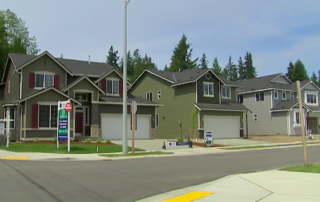
Real Estate Market: A Decade of Transformation

The past few years have witnessed a dramatic escalation in housing prices, largely driven by the pandemic and historically low interest rates. As we look toward the next decade, the burning questions remain: will this upward trend persist, and how will emerging technologies and demographic shifts influence the market?
According to Norada Real Estate Investments, the real estate landscape is poised for significant evolution, characterized by several key trends. Let’s delve into the future of the housing market and explore what lies ahead.

The Emergence of Hybrid Homes

The concept of the “hybrid home” is set to redefine residential living. Beyond merely incorporating a home office, these homes will feature flexible spaces that cater to work, play, and relaxation. Expect an increased emphasis on well-being, with natural light, indoor-outdoor flow, and smart home features becoming essential components.

Tech-Powered Real Estate

Technology will continue to revolutionize real estate. Virtual and augmented reality will transform property tours into immersive experiences, while AI-driven insights will offer personalized recommendations and market forecasts. Blockchain technology is also expected to streamline transactions and enhance security.

Urban Landscapes Reimagined

Cities will undergo a transformation with a focus on mixed-use developments, fostering vibrant, walkable communities. The “15-minute city” concept will gain traction, promoting sustainability and convenience by ensuring essential services are within a short distance.

Climate Considerations

Environmental concerns will take center stage in real estate. Sustainable construction practices, water conservation, and resilient home designs will become standard as the industry adapts to climate change.

The Affordability Challenge

Affordability remains a pressing issue. Government interventions and innovative housing models like co-living and modular homes may provide relief. A shift in mindset, prioritizing starter homes and inclusivity, will be crucial.

Forecasting Home Prices by 2030

A study by RenoFi predicts the average price of a single-family home in the U.S. could reach $382,000 by 2030. However, this varies by location, with cities like San Francisco potentially seeing values exceed $2 million. The study suggests a continued rise in prices, driven by supply and demand dynamics.

Preparing for the Future

Aspiring homeowners are advised to start saving early and consider investing to combat inflation. Long-term financial planning will be key to navigating the evolving market and achieving the dream of homeownership.
As we look ahead, the real estate market promises to be a dynamic arena, shaped by technological advancements, demographic shifts, and environmental considerations. For more insights, explore related predictions from Norada Real Estate Investments, including housing market predictions for the next four years.

More Articles

Getting licensed or staying ahead in your career can be a journey—but it doesn’t have to be overwhelming. Grab your favorite coffee or tea, take a moment to relax, and browse through our articles. Whether you’re just starting out or renewing your expertise, we’ve got tips, insights, and advice to keep you moving forward. Here’s to your success—one sip and one step at a time!

Is a Real Estate Rebound on the Horizon? The 3X ETF Making Waves With Bold Investors

After years of sluggish commercial real estate performance, falling interest rates may finally set the stage for a market rebound. As the Federal Reserve signals further cuts, investors are eyeing REITs—and especially the Direxion Real Estate Bull 3X ETF (DRN), a leveraged fund designed to triple the daily movement of major commercial real estate stocks. DRN offers powerful upside potential during a rally, but its high‑risk, short‑term nature means it’s best suited for experienced traders who understand volatility and the mechanics of leverage.

Florida’s Bold New Bill Could Require Employers to Help Pay First-Time Homebuyers’ Costs

A new proposal in Florida’s legislature could reshape the path to homeownership for working residents. House Bill 311, championed by State Rep. Jervonte Edmonds, would require certain private employers to contribute up to $5,000 toward their first-time homebuyer employees’ down payments or closing costs. Backed by bipartisan support, the bill ties employer tax write-offs directly to helping workers purchase homes, marking a unique approach to housing affordability. Now moving through committee, HB 311 could become one of the nation’s most innovative employer-assisted housing programs.

AI Forces Real Estate to Finally Clean Up Its Data Chaos

Artificial intelligence is pushing the real estate industry to confront a long‑standing problem: its data is fragmented, inconsistent, and nearly impossible for AI systems to interpret. From leases and rent rolls to county records and work orders, nothing is standardized, making AI adoption costly and inefficient. Industry leaders are now turning toward shared data standards and ontologies—like OSCRE’s “smart data highway”—to create cleaner, interoperable information systems. As real estate evolves, professionals who understand data and AI will have a major advantage, and schools like Cameron Academy are helping prepare them for this shift.

January Home Sales Plunge 8.4%, Sparking Fears of a “New Housing Crisis”

The U.S. housing market stumbled into 2026 as January home sales tumbled 8.4% from December, hitting their lowest pace in over a year. With inventory still tight, prices rising, and market activity stagnating, NAR’s chief economist warns that Americans—especially renters—are “stuck” in a new kind of housing crisis. Despite improving affordability on paper, sluggish movement and regional declines signal a market demanding sharper strategy and adaptability from today’s real estate professionals.

5 Best Home Insurance Companies of 2026: What Homeowners and Real Estate Pros Need to Know

A fresh 2026 analysis reveals the top home insurance companies in the U.S., breaking down which carriers offer the best value, coverage options, and customer satisfaction. State Farm leads for customer experience, American Family shines for first-time buyers, and Allstate, Farmers, and Nationwide each earn top marks in specialized categories. With Florida’s premiums surging to more than double the national average, industry pros and homeowners alike gain a clear advantage by understanding which insurers remain strong—especially as weather risks, insurer withdrawals, and rising reconstruction costs reshape the market.

Florida Insurance Costs Drop 14.5% as Reforms Spark $4.2B in Economic Growth

A new Perryman Group analysis shows Florida’s 2022–2023 insurance reforms are paying off, lowering property‑casualty costs by 14.5% and generating more than $4.2 billion in economic activity. With over 29,000 jobs created and premium increases nearly flat in 2025, the state’s long‑troubled insurance market is finally stabilizing as major carriers reduce rates and return to the market.