Real Estate Market: A Decade of Transformation

The past few years have witnessed a dramatic escalation in housing prices, largely driven by the pandemic and historically low interest rates. As we look toward the next decade, the burning questions remain: will this upward trend persist, and how will emerging technologies and demographic shifts influence the market?
According to Norada Real Estate Investments, the real estate landscape is poised for significant evolution, characterized by several key trends. Let’s delve into the future of the housing market and explore what lies ahead.

The Emergence of Hybrid Homes

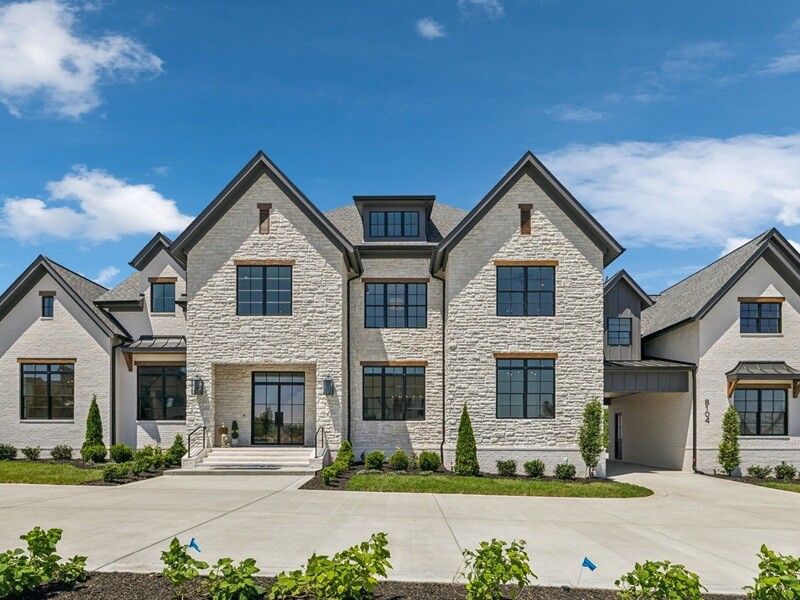
The concept of the “hybrid home” is set to redefine residential living. Beyond merely incorporating a home office, these homes will feature flexible spaces that cater to work, play, and relaxation. Expect an increased emphasis on well-being, with natural light, indoor-outdoor flow, and smart home features becoming essential components.

Tech-Powered Real Estate

Technology will continue to revolutionize real estate. Virtual and augmented reality will transform property tours into immersive experiences, while AI-driven insights will offer personalized recommendations and market forecasts. Blockchain technology is also expected to streamline transactions and enhance security.

Urban Landscapes Reimagined

Cities will undergo a transformation with a focus on mixed-use developments, fostering vibrant, walkable communities. The “15-minute city” concept will gain traction, promoting sustainability and convenience by ensuring essential services are within a short distance.

Climate Considerations

Environmental concerns will take center stage in real estate. Sustainable construction practices, water conservation, and resilient home designs will become standard as the industry adapts to climate change.

The Affordability Challenge

Affordability remains a pressing issue. Government interventions and innovative housing models like co-living and modular homes may provide relief. A shift in mindset, prioritizing starter homes and inclusivity, will be crucial.

Forecasting Home Prices by 2030

A study by RenoFi predicts the average price of a single-family home in the U.S. could reach $382,000 by 2030. However, this varies by location, with cities like San Francisco potentially seeing values exceed $2 million. The study suggests a continued rise in prices, driven by supply and demand dynamics.

Preparing for the Future

Aspiring homeowners are advised to start saving early and consider investing to combat inflation. Long-term financial planning will be key to navigating the evolving market and achieving the dream of homeownership.
As we look ahead, the real estate market promises to be a dynamic arena, shaped by technological advancements, demographic shifts, and environmental considerations. For more insights, explore related predictions from Norada Real Estate Investments, including housing market predictions for the next four years.

More Articles

Getting licensed or staying ahead in your career can be a journey—but it doesn’t have to be overwhelming. Grab your favorite coffee or tea, take a moment to relax, and browse through our articles. Whether you’re just starting out or renewing your expertise, we’ve got tips, insights, and advice to keep you moving forward. Here’s to your success—one sip and one step at a time!

2026 Western U.S. Commercial Real Estate Forecast: Key Market Shifts Professionals Need to Know

The Western U.S. commercial real estate sector is gearing up for a pivotal year in 2026, with new forecasts from Kidder Mathews showing steady economic growth, moderating inflation, and improving fundamentals across office, industrial, retail, and multifamily markets. From slow but stabilizing office recovery to strong retail performance and tightening industrial demand, the region is entering a period of rebalancing that presents fresh opportunities for real estate and related professionals.

January’s Weak Job Growth Signals a Cooling Economy — And New Pressure on the Fed

A delayed federal jobs report has pushed ADP’s data into the spotlight, revealing that private employers added just 22,000 jobs in January — far below expectations. Revised December numbers and ongoing declines in key sectors like professional services and manufacturing point to a cooling labor market heading into 2025. While wage growth remains steady, uneven job creation across regions and industries is raising new questions about future interest‑rate cuts and what this shifting economy means for professionals in fields like real estate, mortgage, insurance, and finance.

Smart and Sustainable Homes Redefine Luxury Living in Nashville’s 2026 Market

Nashville’s booming tech-driven population is transforming luxury real estate, making smart technology and eco‑friendly design the new standard. From AI‑powered adaptive living and advanced security systems to high‑efficiency construction and green incentives, the city’s top communities—Brentwood, Franklin, and Nolensville—are leading a movement toward intelligent, energy‑saving homes that offer long‑term value and modern comfort.

Florida Homeowners Face Another Year Without Insurance Relief as Lawmakers Pause Reform Efforts

Florida legislators have confirmed that no new insurance relief is coming in 2026, leaving homeowners to grapple with rising premiums and shrinking options. While Republican leaders argue that past reforms simply need more time to stabilize the market, Democrats are pushing for immediate action as families across the state feel the financial strain. With insurance changes off the table, lawmakers are shifting their focus to property tax relief—creating important ripple effects for real estate, mortgage, and insurance professionals watching the market closely.

The 2026 Investor Hotspots: Dallas Dominates, but the Southeast Surges Ahead

A new CBRE survey reveals that 2026 is shaping up to be a bullish year for commercial real estate, with most investors planning to expand their portfolios. Dallas secures the top spot for the fifth year in a row, but Southeast metros like Atlanta, Miami, Tampa, and Charlotte are rapidly gaining ground thanks to population growth, strong job creation, and resilient demand in sectors like tech, logistics, and healthcare.

WSU Launches Carson Pro, Expanding the Future of Lifelong Professional Learning

Washington State University’s Carson College of Business has introduced Carson Pro, a flexible online platform offering non‑credit certificates in finance, management, marketing, accounting, and specialty fields like the business of aging and wine business management. Designed for working professionals seeking practical, career-ready skills or a complete career reset, the program reflects a nationwide shift toward continuous learning as industries—from real estate to finance—evolve at a rapid pace.