In the evolving landscape of the restaurant industry, remote work is redefining the way businesses operate. As more employees embrace hybrid and remote work environments, a shift in dining habits is emerging, prompting fast-casual chains to adapt their strategies. According to the U.S. Chamber of Commerce, chains like DIG, CAVA, and Sweetgreen are experiencing success in suburban markets as they cater to the changing needs of their customers.

Suburban Expansion: A Strategic Move

With over half of U.S. employees now working in hybrid or remote settings, restaurant chains are finding suburban locations more lucrative. A Gallup poll indicates that 52% of workers are in hybrid environments, compared to just 32% in 2019. This shift has led to a decline in urban store visits, prompting chains to focus on suburban development.

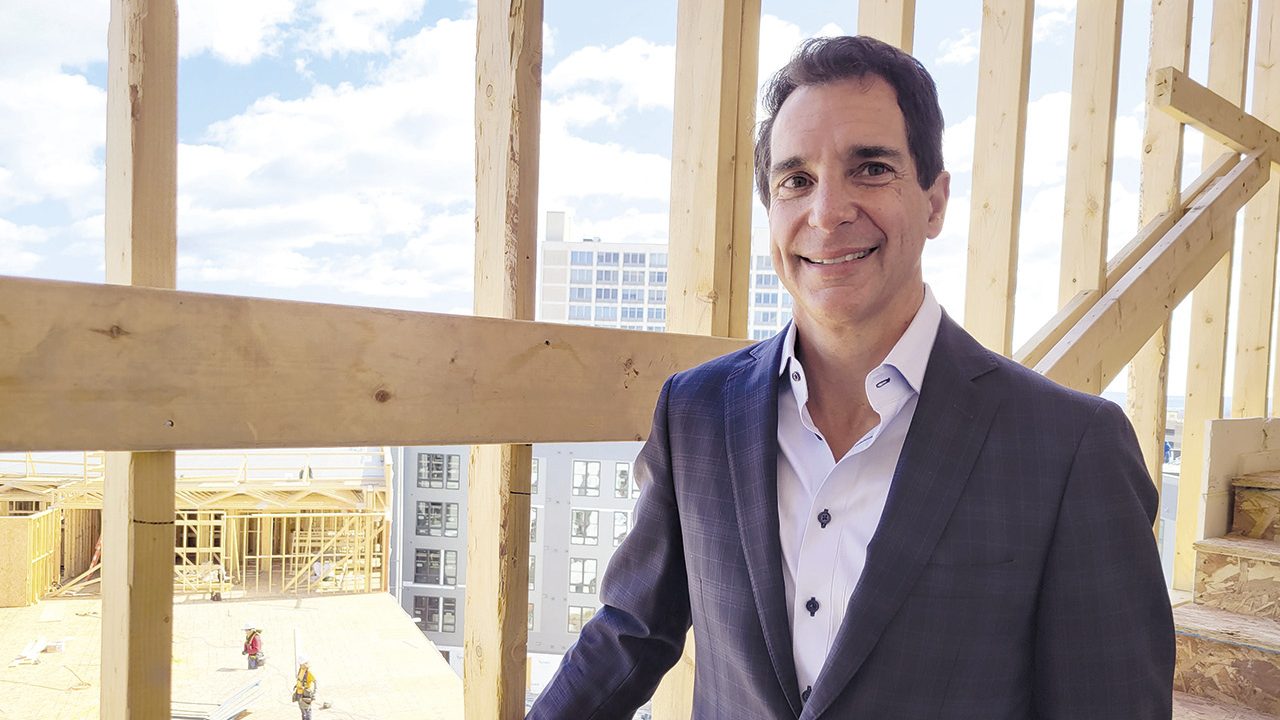
For instance, DIG, a New York-based chain, has strategically opened locations in suburban areas like Stamford, Connecticut, and Bethesda, Maryland. Tracy Kim, CEO of DIG, noted, “COVID changed consumer behavior— I think forever, frankly.” The company is now focusing on residential areas to capture the all-day dining market, a departure from its previous lunch-heavy urban operations.

Operational Adjustments for New Markets

Adapting to suburban markets requires operational changes. DIG, for example, has observed a shift toward more all-day dining in these areas, necessitating a consistent level of service throughout the day. “The business is much more spread out throughout the day,” Kim said, likening the change to “the difference between a sprint and a marathon.”

Additionally, suburban locations demand more on-site dining capacity and parking space, as customers prefer to dine in with family, including small children. Kim emphasized the importance of creating a welcoming dining room atmosphere, a consideration less critical in urban settings.

Challenges and Opportunities

Despite the opportunities, suburban expansion is not without challenges. The availability of prime real estate is limited, with suburban areas experiencing increased competition for retail spaces. Daniel Diebel, an economist at CBRE Econometric Advisors, highlighted the competition for these spaces, noting that urban real estate availability has now exceeded suburban availability for the first time.

However, the migration to the suburbs presents a long-term opportunity for restaurants. As Diebel remarked, “We think this more hybrid working environment is going to persist. Once consumers find something they like, they continue to do it.”

Success in Smaller Markets

Chains like CAVA and Sweetgreen are also capitalizing on the trend. CAVA, which had already been exploring suburban development before the pandemic, has found success in both urban and suburban markets. The company is now expanding by converting Zoe’s Kitchen locations into higher-volume CAVA-branded sites, as noted in their 2018 acquisition strategy.

Similarly, Sweetgreen has seen strong performance in suburban areas, with new locations performing on par with top urban sites. The company is even testing its latest automation innovations in suburban units before rolling them out to urban locations.

As remote work continues to shape consumer behavior, the restaurant industry is adapting to meet the demands of a new dining landscape. With strategic suburban expansions and operational adjustments, fast-casual chains are poised to thrive in this evolving market.


More Articles

Getting licensed or staying ahead in your career can be a journey—but it doesn’t have to be overwhelming. Grab your favorite coffee or tea, take a moment to relax, and browse through our articles. Whether you’re just starting out or renewing your expertise, we’ve got tips, insights, and advice to keep you moving forward. Here’s to your success—one sip and one step at a time!

Commercial Real Estate Slows Again as Investors Flock to Larger, Safer Deals

November marked another cooldown for commercial real estate, with total deal volume dropping 10% year over year and falling below even 2020’s levels. While overall activity is slowing, investors are concentrating their money on bigger, more resilient assets—driving a 51% surge in deals over $100 million and pushing average transaction sizes well above historical norms. Multifamily remains the strongest sector, office deals are becoming more strategically focused, and medical office and data centers continue to outperform as long‑term demand stays solid.

Lower Rates Could Spark a Commercial Real Estate Comeback in 2026

After years of stalled activity, commercial real estate may finally be nearing a rebound. Experts say that expected interest‑rate drops in 2026 could reignite investor confidence, unlock sidelined capital, and boost deal flow across multiple sectors. But the outlook isn’t uniformly sunny—multifamily faces oversupply, industrial is cooling after years of rapid growth, and weakening employment conditions may slow absorption. For professionals across real estate, mortgage, insurance, and finance, the shifting landscape presents both challenges and major opportunities for those who stay informed and properly licensed.

Consumer Reports Warns Congress About Rising Fintech Risks in 2026

Consumer Reports delivered a major warning to Congress, highlighting how rapidly expanding fintech tools—especially AI‑driven platforms—are outpacing consumer protections. In testimony before the House Subcommittee on Digital Assets, Financial Technology and AI, CR called for stronger, clearer rules to prevent hidden fees, predatory practices, and confusion within digital financial products. For professionals in real estate, mortgages, insurance, and finance, these emerging regulations may soon influence lending decisions, underwriting, credit evaluations, and compliance expectations across the industry.

Amazon’s Massive Corporate Shakeup Signals a New Era of AI‑Driven Workforce Transformation

Amazon is preparing to cut up to 30,000 corporate jobs by mid‑2026 as it pivots aggressively toward automation and AI. Following 14,000 layoffs in late 2025, the company is eliminating layers of management to redirect billions into robotics, generative AI systems, and supercomputing partnerships. While warehouse hiring continues for seasonal demand, Amazon’s internal shift reveals a broader nationwide trend: white‑collar roles across tech, finance, logistics, and more are being reshaped by automation at unprecedented speed.

Chuck Bonfiglio Steps In as 2026 Florida Realtors President, Signaling a Year of Big Industry Shifts

Florida’s real estate market enters 2026 with new leadership at the helm as Chuck Bonfiglio, broker-owner of AAA Realty Group, is officially installed as President of Florida Realtors. With more than 230,000 members behind the association, Bonfiglio highlights affordability, insurance reform, and taxes as key priorities while expressing optimism about easing mortgage rates, stabilizing prices, and growing inventory. Backed by years of statewide and national Realtor leadership, he aims to guide professionals through another transformative year alongside a newly appointed 2026 leadership team.

Tampa’s Real Estate Market Enters Its Selective Era

Tampa isn’t cooling off—it’s getting smarter. After years of rapid expansion, the city’s commercial real estate market has shifted into a more disciplined, selective phase. Population growth remains strong, office leasing is outperforming national trends, industrial activity is normalizing sustainably, and retail is seeing renewed investor confidence. With capital becoming more cautious and health care real estate emerging as a major growth sector, Tampa is entering a new era focused on strategy, execution, and long‑term fundamentals.