In the evolving landscape of the restaurant industry, remote work is redefining the way businesses operate. As more employees embrace hybrid and remote work environments, a shift in dining habits is emerging, prompting fast-casual chains to adapt their strategies. According to the U.S. Chamber of Commerce, chains like DIG, CAVA, and Sweetgreen are experiencing success in suburban markets as they cater to the changing needs of their customers.

Suburban Expansion: A Strategic Move

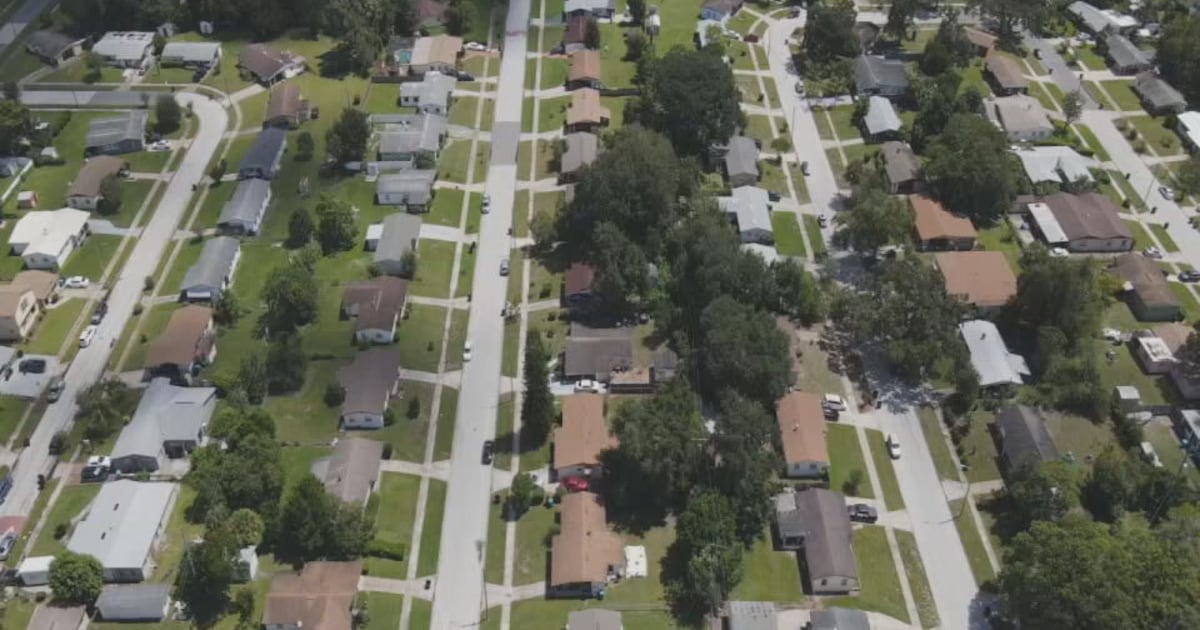
With over half of U.S. employees now working in hybrid or remote settings, restaurant chains are finding suburban locations more lucrative. A Gallup poll indicates that 52% of workers are in hybrid environments, compared to just 32% in 2019. This shift has led to a decline in urban store visits, prompting chains to focus on suburban development.

For instance, DIG, a New York-based chain, has strategically opened locations in suburban areas like Stamford, Connecticut, and Bethesda, Maryland. Tracy Kim, CEO of DIG, noted, “COVID changed consumer behavior— I think forever, frankly.” The company is now focusing on residential areas to capture the all-day dining market, a departure from its previous lunch-heavy urban operations.

Operational Adjustments for New Markets

Adapting to suburban markets requires operational changes. DIG, for example, has observed a shift toward more all-day dining in these areas, necessitating a consistent level of service throughout the day. “The business is much more spread out throughout the day,” Kim said, likening the change to “the difference between a sprint and a marathon.”

Additionally, suburban locations demand more on-site dining capacity and parking space, as customers prefer to dine in with family, including small children. Kim emphasized the importance of creating a welcoming dining room atmosphere, a consideration less critical in urban settings.

Challenges and Opportunities

Despite the opportunities, suburban expansion is not without challenges. The availability of prime real estate is limited, with suburban areas experiencing increased competition for retail spaces. Daniel Diebel, an economist at CBRE Econometric Advisors, highlighted the competition for these spaces, noting that urban real estate availability has now exceeded suburban availability for the first time.

However, the migration to the suburbs presents a long-term opportunity for restaurants. As Diebel remarked, “We think this more hybrid working environment is going to persist. Once consumers find something they like, they continue to do it.”

Success in Smaller Markets

Chains like CAVA and Sweetgreen are also capitalizing on the trend. CAVA, which had already been exploring suburban development before the pandemic, has found success in both urban and suburban markets. The company is now expanding by converting Zoe’s Kitchen locations into higher-volume CAVA-branded sites, as noted in their 2018 acquisition strategy.

Similarly, Sweetgreen has seen strong performance in suburban areas, with new locations performing on par with top urban sites. The company is even testing its latest automation innovations in suburban units before rolling them out to urban locations.

As remote work continues to shape consumer behavior, the restaurant industry is adapting to meet the demands of a new dining landscape. With strategic suburban expansions and operational adjustments, fast-casual chains are poised to thrive in this evolving market.


More Articles

Getting licensed or staying ahead in your career can be a journey—but it doesn’t have to be overwhelming. Grab your favorite coffee or tea, take a moment to relax, and browse through our articles. Whether you’re just starting out or renewing your expertise, we’ve got tips, insights, and advice to keep you moving forward. Here’s to your success—one sip and one step at a time!

Florida Homeowners Finally Get a Break as Insurance Rates Begin to Drop

After years of soaring premiums and insurer instability, Florida’s property insurance market is finally turning a corner. Major carriers have filed 83 requests for rate decreases heading into 2026, with companies like Florida Peninsula and Patriot Select proposing cuts of 8.4% and 11.3%. Some homeowners may see relief as early as next month, signaling a long‑awaited shift toward market stability.

The Fix-and-Flip Comeback: Why 2026 Is Poised to Be a Breakout Year for Investors

Fix-and-flip investing is gearing up for one of its strongest years in a decade as 2026 approaches. With cheaper capital, more accessible funding, easing interest rates, and long-awaited increases in housing inventory, investors are finding the perfect environment to launch or scale renovation-based real estate businesses. Renovation continues to outpace new construction in cost and speed, and demand for move-in-ready homes remains high, making 2026 a powerful opportunity window for both new and experienced investors.

Falling Rents Today, Rising Pressures Tomorrow: A 2026 Rental Squeeze Is on the Horizon

After a short-lived period of relief in 2025, the U.S. rental market may be headed for a tighter, more expensive 2026. With construction starts dropping nearly 11% and completions plunging 42%, the surge of new apartments that helped lower rents is rapidly drying up. Rising costs, shrinking inventory, and a slowdown in new development point to a potential rental crunch that could leave renters facing heavier competition and higher prices across major markets next year.

The Biggest Opportunity in Real Estate Since 2008

The commercial real estate market is entering a rare reset that experts say mirrors the post‑2008 boom, creating a potential window for disciplined investors. With trillions in commercial debt coming due and property values dropping up to 40%, firms like AARE are positioning themselves to acquire assets below replacement cost—an advantage that could set the stage for significant long‑term growth.

Six for 2026: The Commercial Real Estate Shifts Already Reshaping the U.S.

Commercial real estate is entering a reinvention phase, with AI‑driven productivity, modernized office demand, experience‑focused retail, expanding industrial logistics, creative housing solutions, and sustainability‑centered design all accelerating nationwide. These six forces are shaping how investors, brokers, and future licensees will operate in a rapidly evolving U.S. market.

2026 Becomes the Turning Point: Innovation, Stability, and Upward Mobility Return

After years of economic uncertainty and cautious decision‑making, 2026 is shaping up to be the year professionals finally catch a break. AI is moving from buzzword to essential tool, capital markets are beginning to thaw, and hiring is picking up across real estate, mortgage, insurance, finance, and healthcare. With opportunity returning, many professionals are using this moment to upskill—pursuing new licenses, certifications, and cross‑industry expertise.