As remote work continues to reshape our daily lives, its influence on the housing market is profound and far-reaching. According to a recent article by Norada Real Estate Investments, the shift to remote work is not just a temporary trend but a lasting transformation that is redefining where and how people choose to live.
The Rise of Remote Work
By 2025, it’s anticipated that 22% of the American workforce will spend a significant amount of their time working from home. This evolution is not only changing work environments but also driving a shift in housing preferences. Homebuyers are now prioritizing larger spaces that can accommodate multiple functions like offices, gyms, and classrooms.
Migration to Suburbs and Rural Areas
The allure of suburban and rural living has grown stronger, as remote work eliminates the need for a daily commute. Many urban dwellers are relocating to areas that offer more space and affordability. This migration has led to a notable increase in housing demand outside of major cities.
Impact on Home Prices
Data indicates that while urban home prices have risen, suburban and rural areas have also experienced significant price increases. This trend underscores a collective desire for spacious living arrangements at affordable rates. Millennials and Gen Z are particularly drawn to homeownership, recognizing the long-term benefits of equity over renting.
Rental Market Shifts
The rental market is also adapting to remote work trends. Renters are increasingly seeking properties that offer quality amenities suited for home-based work, such as home office setups and robust internet connectivity. This shift is evident in the growing demand for rentals in less densely populated regions.
Challenges and Opportunities
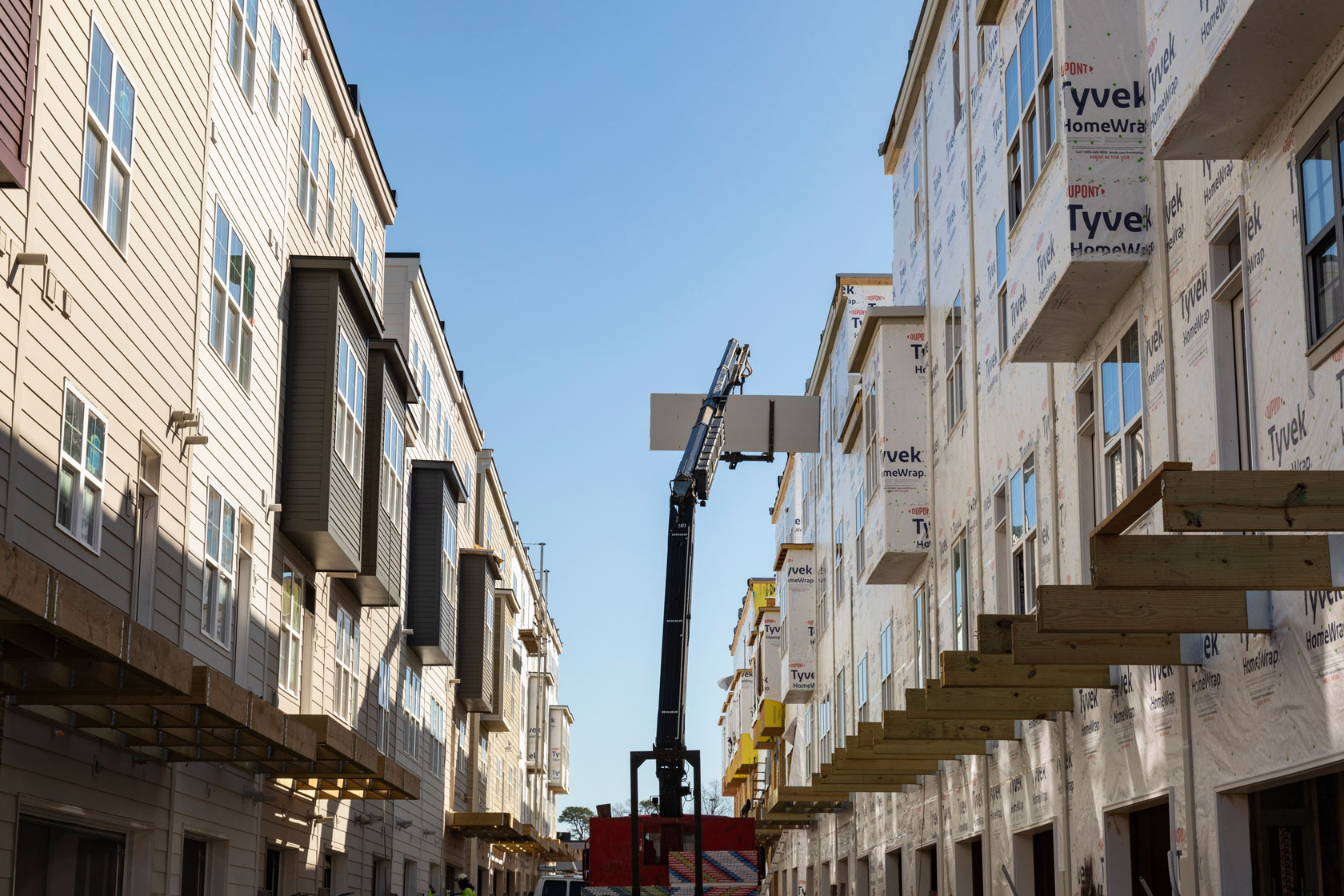
Despite these trends, financing and affordability continue to pose challenges. Rising home prices and interest rates are prompting prospective buyers to explore alternative financing options, such as co-buying. It is crucial for those in the housing market to stay informed and adapt to these changes.
Future Predictions
- Continued Demand for Space: Suburban and rural areas will likely maintain their appeal.
- Hybrid Work Models: Companies may increasingly adopt hybrid work arrangements, affecting housing market dynamics.
- Infrastructure Investments: Local governments might enhance amenities to support suburban living.
For a deeper understanding of these trends, refer to Emerging Trends in Real Estate.
As the housing market adapts to these remote work trends, it is essential for real estate professionals, buyers, and sellers to remain proactive and informed. Embracing these changes can lead to successful outcomes in a rapidly evolving market.