As remote work continues to reshape our daily lives, its influence on the housing market is profound and far-reaching. According to a recent article by Norada Real Estate Investments, the shift to remote work is not just a temporary trend but a lasting transformation that is redefining where and how people choose to live.


The Rise of Remote Work

By 2025, it’s anticipated that 22% of the American workforce will spend a significant amount of their time working from home. This evolution is not only changing work environments but also driving a shift in housing preferences. Homebuyers are now prioritizing larger spaces that can accommodate multiple functions like offices, gyms, and classrooms.


Migration to Suburbs and Rural Areas

The allure of suburban and rural living has grown stronger, as remote work eliminates the need for a daily commute. Many urban dwellers are relocating to areas that offer more space and affordability. This migration has led to a notable increase in housing demand outside of major cities.


Impact on Home Prices

Data indicates that while urban home prices have risen, suburban and rural areas have also experienced significant price increases. This trend underscores a collective desire for spacious living arrangements at affordable rates. Millennials and Gen Z are particularly drawn to homeownership, recognizing the long-term benefits of equity over renting.


Rental Market Shifts

The rental market is also adapting to remote work trends. Renters are increasingly seeking properties that offer quality amenities suited for home-based work, such as home office setups and robust internet connectivity. This shift is evident in the growing demand for rentals in less densely populated regions.


Challenges and Opportunities

Despite these trends, financing and affordability continue to pose challenges. Rising home prices and interest rates are prompting prospective buyers to explore alternative financing options, such as co-buying. It is crucial for those in the housing market to stay informed and adapt to these changes.


Future Predictions

  1. Continued Demand for Space: Suburban and rural areas will likely maintain their appeal.
  2. Hybrid Work Models: Companies may increasingly adopt hybrid work arrangements, affecting housing market dynamics.
  3. Infrastructure Investments: Local governments might enhance amenities to support suburban living.

For a deeper understanding of these trends, refer to Emerging Trends in Real Estate.


As the housing market adapts to these remote work trends, it is essential for real estate professionals, buyers, and sellers to remain proactive and informed. Embracing these changes can lead to successful outcomes in a rapidly evolving market.

More Articles

Getting licensed or staying ahead in your career can be a journey—but it doesn’t have to be overwhelming. Grab your favorite coffee or tea, take a moment to relax, and browse through our articles. Whether you’re just starting out or renewing your expertise, we’ve got tips, insights, and advice to keep you moving forward. Here’s to your success—one sip and one step at a time!

Florida’s New Real Estate Laws Aim to Enhance Housing Affordability and Protection

Today marks a significant shift for homeowners in Florida as a suite of new laws takes effect, driven by the legislative efforts of Florida Realtors. These laws, approved by Governor Ron DeSantis, are designed to enhance affordability and protection for residents, touching on various aspects of the real estate industry.

By |October 14, 2024|Categories: Article, Legislation, Real Estate|Tags: , |0 Comments

Opportunities Emerge as Mortgage Rates Decline Amid Record-High Home Prices

After weeks of steady declines, mortgage rates have finally reached a range that brings the dream of homeownership closer for many hopeful buyers. This shift suggests potential relief in the inflated housing market, offering buyers increased purchasing power despite ongoing high home prices.

By |October 13, 2024|Categories: Article, Housing Market, Mortgage Rates|Tags: , |0 Comments

The $47.5 Trillion Housing Market Boom Driven by Remote Work

The national housing market has reached a staggering valuation of $47.5 trillion, marking a $2.4 trillion increase over the past year. This remarkable growth underscores the profound impact of remote work on housing trends.

By |October 13, 2024|Categories: Article, Real Estate, Remote Work|Tags: , |0 Comments

U.S. Housing Market: A Glimpse into the Future

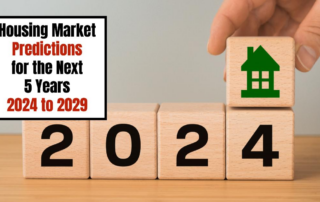
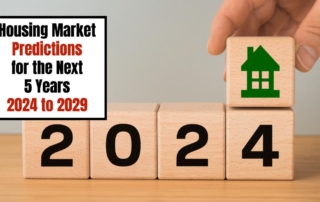
The U.S. housing market is poised for significant changes over the next five years, according to a recent analysis by Norada Real Estate Investments. With a complex interplay of factors, including rising interest rates and increased housing supply, the market is expected to experience a slowdown, with home prices either remaining flat or seeing a modest decline.

By |October 13, 2024|Categories: Article, Economic Forecasting, Real Estate|Tags: , |0 Comments

AI: The New Architect of Real Estate Transformation

The real estate industry, traditionally steeped in manual processes and human intuition, is undergoing a seismic shift, thanks to artificial intelligence (AI).

Understanding the Future of the U.S. Housing Market

The U.S. housing market is poised for a significant transformation over the next five years, influenced by a combination of economic factors, technological advancements, and evolving consumer preferences.

By |October 13, 2024|Categories: Article, Economic Trends, Real Estate|Tags: , |0 Comments