In the ever-evolving landscape of technology, Virtual Reality (VR) is carving out a significant niche in the marketing industry. Once predominantly associated with gaming, VR has transcended its original confines to revolutionize how brands engage with audiences across various sectors. As explored in a recent article from Influencer Marketing Hub, VR is now a potent tool for creating immersive experiences that captivate and educate consumers.

How VR is Reshaping the Marketing Industry

VR is not just a novelty; it’s a strategic asset for marketers aiming to enhance audience engagement through immersive digital experiences. From retail to event planning, brands are leveraging VR to tell their stories in more impactful ways. However, the adoption of this technology is not without its challenges, particularly for developers and businesses unfamiliar with VR software development. Despite these hurdles, VR’s potential to transform marketing strategies is undeniable.

Examples of VR in Marketing

  • New York Times: Through Google Cardboard, subscribers experienced storytelling in a new dimension with VR films like Seeking Pluto’s Frigid Heart.
  • GSK: The Exedrin Migraine Experience used VR to simulate the visual symptoms of migraines, fostering empathy and understanding.
  • Adidas Terrex: Provided a virtual mountain climbing experience to promote its outdoor gear.
  • Thomas Cook: Enabled virtual travel experiences with the Try Before You Fly campaign.
  • McDonald’s: Transformed Happy Meal boxes into VR viewers for a fun and educational game.
  • Volvo: Offered virtual test drives of the XC90, allowing users to explore the car’s features via a VR app.
  • All Nippon Airways: Offered a VR tour of its new business class cabins.
  • Patrón: Illustrated the tequila-making process through a VR experience.
  • Lowe’s: Used VR for DIY skill training in its Holoroom.
  • Ikea: Launched an app for home visualization with VR-based 3D models.
  • L’Oréal Paris: Developed a VR makeup app for users to try on different looks.
  • Merrell: Promoted hiking boots with VR terrains in the Trailscape experience.
  • Topshop: Offered a virtual catwalk experience during London Fashion Week.
  • Matterport: Facilitated virtual real estate tours with 3D technology.
  • London Natural History Museum: Created VR educational content for virtual museum tours.


Bringing Marketing to the Future with VR

The future of marketing is being reshaped by VR, offering limitless possibilities for engagement and innovation. Various industries, from healthcare to real estate, are harnessing the power of VR to deliver more compelling marketing campaigns. As VR technology continues to evolve, it promises to bring new and exciting experiences to consumers worldwide.

For more insights into how VR is transforming the marketing landscape, visit the full article on Influencer Marketing Hub.

More Articles

Getting licensed or staying ahead in your career can be a journey—but it doesn’t have to be overwhelming. Grab your favorite coffee or tea, take a moment to relax, and browse through our articles. Whether you’re just starting out or renewing your expertise, we’ve got tips, insights, and advice to keep you moving forward. Here’s to your success—one sip and one step at a time!

Florida’s Home Insurance Market Shows Strong Signs of Recovery in 2026

Florida’s home insurance market is experiencing a wave of optimism as recent litigation reforms lead to fewer lawsuits, stronger insurer stability, and even rate reductions. With companies like Florida Peninsula lowering premiums and 17 new insurers entering the state, real estate, mortgage, and insurance professionals can expect smoother transactions, increased buyer confidence, and a more competitive market environment in the year ahead.

Mortgage Rates Slide to Multi‑Year Lows as 2026 Housing Momentum Accelerates

Mortgage rates have dipped to levels not seen since 2022, with the 30‑year fixed averaging just 6.361% and Freddie Mac reporting an even lower 6.06%. The drop is reshaping buyer affordability, sparking renewed market activity, and creating fresh opportunities for real estate professionals—especially in fast‑moving markets like Florida.

Is 2026 Finally the Breakthrough Year for Homebuyers?

The 2026 housing market is shaping up to be one of the most pivotal in years, with mortgage rates showing slight relief, affordability shifting toward the Midwest and South, and buyers turning to options like ARMs and new‑construction homes. Early signals point to new opportunities for buyers, investors, and real‑estate professionals—especially those ready to navigate a market defined by moderate rate drops, regional affordability gaps, and builder‑driven incentives.

Ares Commercial Real Estate Insider Shake‑Up Raises Questions for Industry Professionals

Ares Commercial Real Estate CEO Bryan Donohoe sold US$107k in shares this week, trimming his stake by 13% and adding to a pattern of insider selling with no insider purchases in the past 12 months. With insider ownership sitting at a modest 1.6%, the activity signals a cautious tone inside the company—something real estate, mortgage, and finance professionals may want to watch as they assess broader market confidence.

Florida’s 2026 Legislative Session Kicks Off With Major Moves for Real Estate, Insurance, and Business Professionals

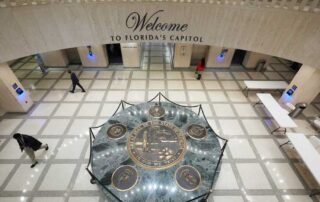
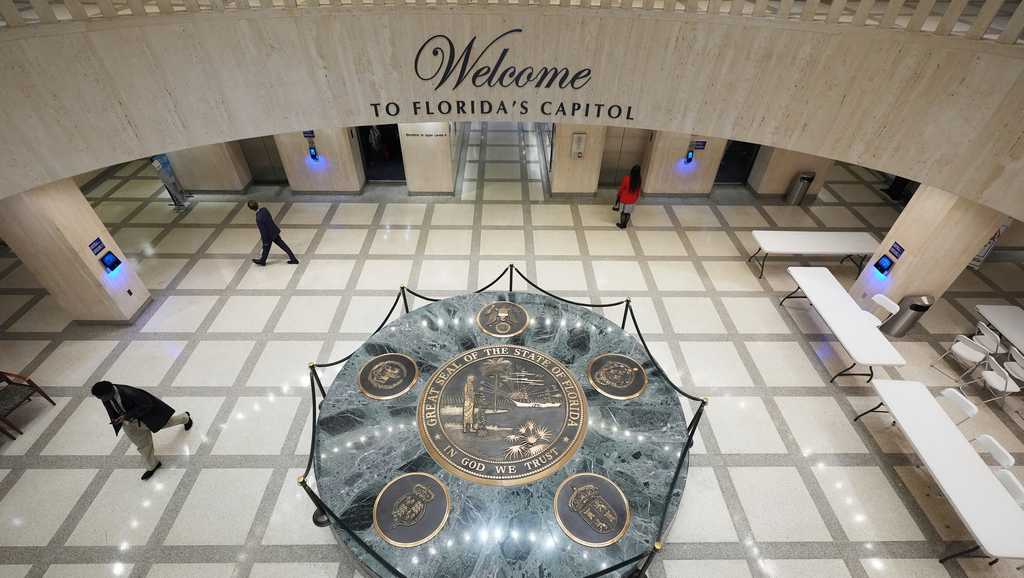
Florida’s 2026 legislative session is officially underway, launching a wave of high‑impact bills targeting property insurance reform, a proposal to eliminate property taxes, new education attendance requirements, and even an AI Bill of Rights. With over a hundred bills already filed, real estate agents, investors, insurers, educators, and other licensed professionals can expect significant regulatory shifts that may reshape Florida’s housing market, insurance costs, and professional compliance standards.

Warren Buffett’s 2026 Reminder: Conviction Beats Market Predictions

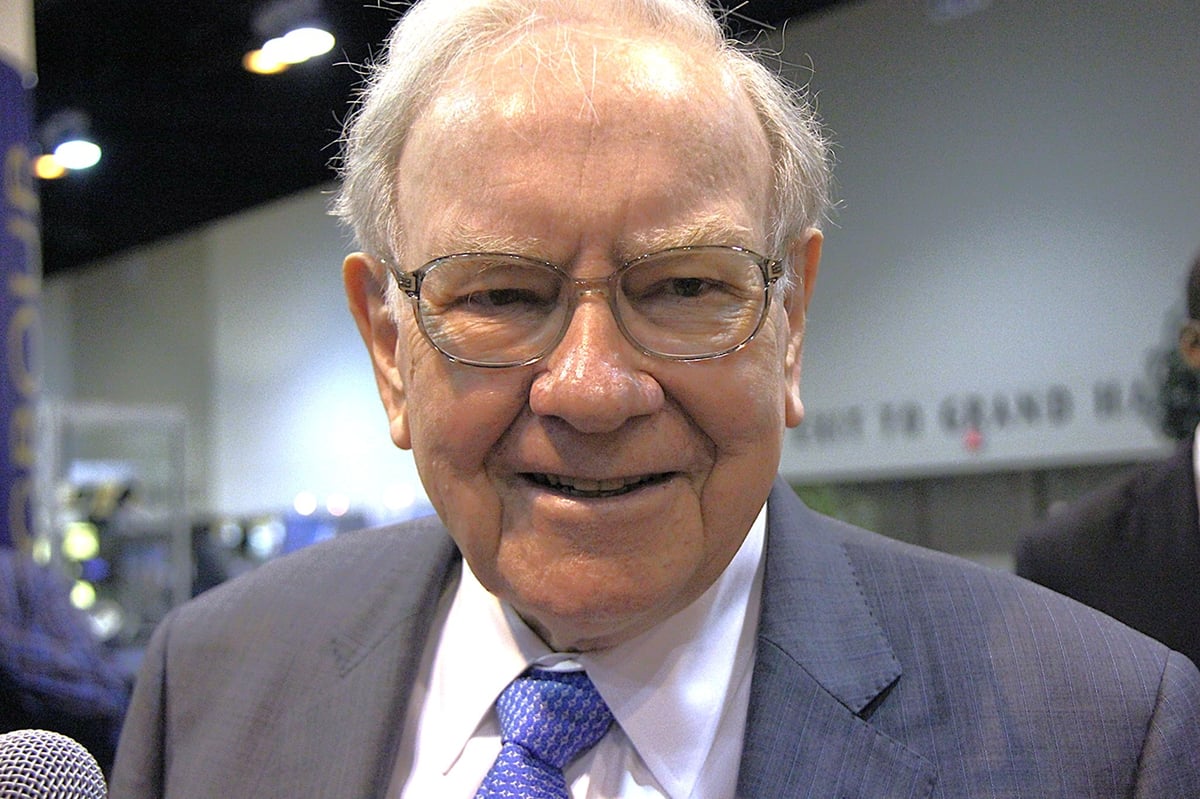
Warren Buffett’s timeless investing wisdom is more relevant than ever in 2026. Despite decades of market change, his core lesson remains the same: long‑term conviction outperforms short‑term prediction. From embracing occasional underperformance to avoiding emotional decisions, Buffett’s philosophy highlights why deep understanding and steady confidence are more valuable than trying to forecast market swings. This mindset isn’t just for investors—it’s a guiding principle for professionals looking to grow their careers with clarity and purpose.