In the ever-evolving landscape of technology, Virtual Reality (VR) is carving out a significant niche in the marketing industry. Once predominantly associated with gaming, VR has transcended its original confines to revolutionize how brands engage with audiences across various sectors. As explored in a recent article from Influencer Marketing Hub, VR is now a potent tool for creating immersive experiences that captivate and educate consumers.

How VR is Reshaping the Marketing Industry

VR is not just a novelty; it’s a strategic asset for marketers aiming to enhance audience engagement through immersive digital experiences. From retail to event planning, brands are leveraging VR to tell their stories in more impactful ways. However, the adoption of this technology is not without its challenges, particularly for developers and businesses unfamiliar with VR software development. Despite these hurdles, VR’s potential to transform marketing strategies is undeniable.

Examples of VR in Marketing

  • New York Times: Through Google Cardboard, subscribers experienced storytelling in a new dimension with VR films like Seeking Pluto’s Frigid Heart.
  • GSK: The Exedrin Migraine Experience used VR to simulate the visual symptoms of migraines, fostering empathy and understanding.
  • Adidas Terrex: Provided a virtual mountain climbing experience to promote its outdoor gear.
  • Thomas Cook: Enabled virtual travel experiences with the Try Before You Fly campaign.
  • McDonald’s: Transformed Happy Meal boxes into VR viewers for a fun and educational game.
  • Volvo: Offered virtual test drives of the XC90, allowing users to explore the car’s features via a VR app.
  • All Nippon Airways: Offered a VR tour of its new business class cabins.
  • Patrón: Illustrated the tequila-making process through a VR experience.
  • Lowe’s: Used VR for DIY skill training in its Holoroom.
  • Ikea: Launched an app for home visualization with VR-based 3D models.
  • L’Oréal Paris: Developed a VR makeup app for users to try on different looks.
  • Merrell: Promoted hiking boots with VR terrains in the Trailscape experience.
  • Topshop: Offered a virtual catwalk experience during London Fashion Week.
  • Matterport: Facilitated virtual real estate tours with 3D technology.
  • London Natural History Museum: Created VR educational content for virtual museum tours.


Bringing Marketing to the Future with VR

The future of marketing is being reshaped by VR, offering limitless possibilities for engagement and innovation. Various industries, from healthcare to real estate, are harnessing the power of VR to deliver more compelling marketing campaigns. As VR technology continues to evolve, it promises to bring new and exciting experiences to consumers worldwide.

For more insights into how VR is transforming the marketing landscape, visit the full article on Influencer Marketing Hub.

More Articles

Getting licensed or staying ahead in your career can be a journey—but it doesn’t have to be overwhelming. Grab your favorite coffee or tea, take a moment to relax, and browse through our articles. Whether you’re just starting out or renewing your expertise, we’ve got tips, insights, and advice to keep you moving forward. Here’s to your success—one sip and one step at a time!

Commercial Real Estate Slows Again as Investors Flock to Larger, Safer Deals

November marked another cooldown for commercial real estate, with total deal volume dropping 10% year over year and falling below even 2020’s levels. While overall activity is slowing, investors are concentrating their money on bigger, more resilient assets—driving a 51% surge in deals over $100 million and pushing average transaction sizes well above historical norms. Multifamily remains the strongest sector, office deals are becoming more strategically focused, and medical office and data centers continue to outperform as long‑term demand stays solid.

Lower Rates Could Spark a Commercial Real Estate Comeback in 2026

After years of stalled activity, commercial real estate may finally be nearing a rebound. Experts say that expected interest‑rate drops in 2026 could reignite investor confidence, unlock sidelined capital, and boost deal flow across multiple sectors. But the outlook isn’t uniformly sunny—multifamily faces oversupply, industrial is cooling after years of rapid growth, and weakening employment conditions may slow absorption. For professionals across real estate, mortgage, insurance, and finance, the shifting landscape presents both challenges and major opportunities for those who stay informed and properly licensed.

Consumer Reports Warns Congress About Rising Fintech Risks in 2026

Consumer Reports delivered a major warning to Congress, highlighting how rapidly expanding fintech tools—especially AI‑driven platforms—are outpacing consumer protections. In testimony before the House Subcommittee on Digital Assets, Financial Technology and AI, CR called for stronger, clearer rules to prevent hidden fees, predatory practices, and confusion within digital financial products. For professionals in real estate, mortgages, insurance, and finance, these emerging regulations may soon influence lending decisions, underwriting, credit evaluations, and compliance expectations across the industry.

Amazon’s Massive Corporate Shakeup Signals a New Era of AI‑Driven Workforce Transformation

Amazon is preparing to cut up to 30,000 corporate jobs by mid‑2026 as it pivots aggressively toward automation and AI. Following 14,000 layoffs in late 2025, the company is eliminating layers of management to redirect billions into robotics, generative AI systems, and supercomputing partnerships. While warehouse hiring continues for seasonal demand, Amazon’s internal shift reveals a broader nationwide trend: white‑collar roles across tech, finance, logistics, and more are being reshaped by automation at unprecedented speed.

Chuck Bonfiglio Steps In as 2026 Florida Realtors President, Signaling a Year of Big Industry Shifts

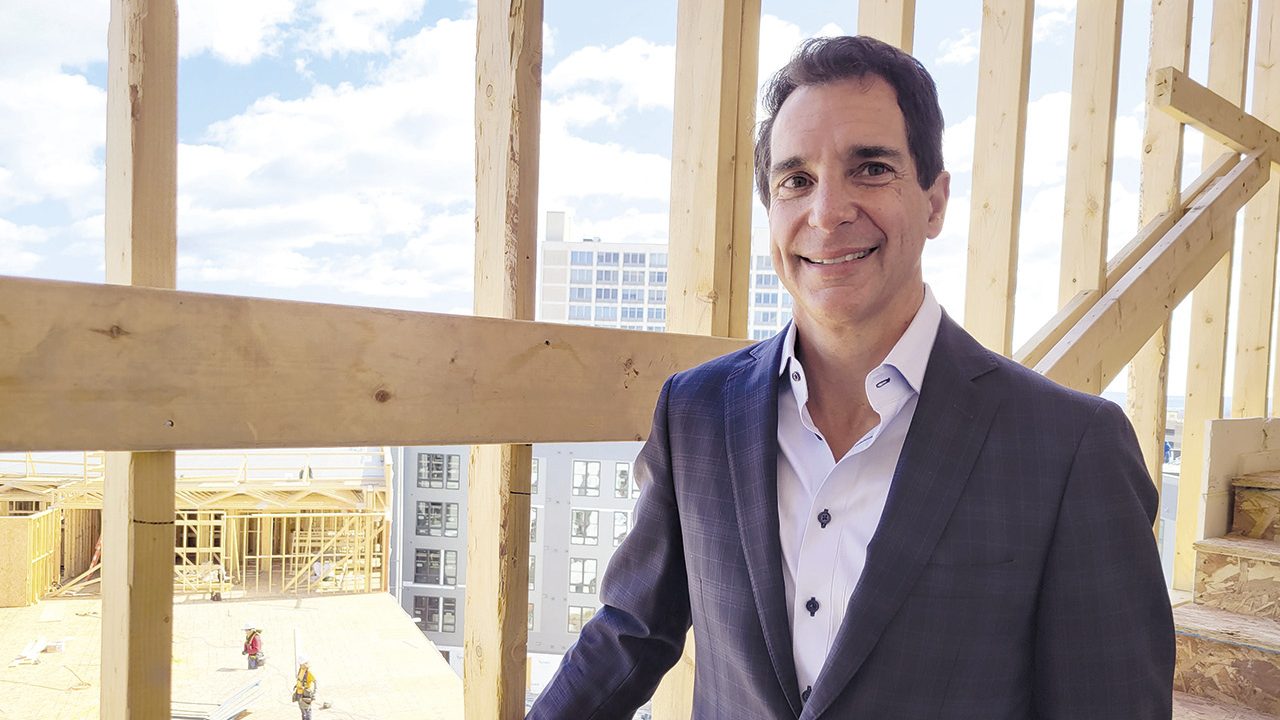
Florida’s real estate market enters 2026 with new leadership at the helm as Chuck Bonfiglio, broker-owner of AAA Realty Group, is officially installed as President of Florida Realtors. With more than 230,000 members behind the association, Bonfiglio highlights affordability, insurance reform, and taxes as key priorities while expressing optimism about easing mortgage rates, stabilizing prices, and growing inventory. Backed by years of statewide and national Realtor leadership, he aims to guide professionals through another transformative year alongside a newly appointed 2026 leadership team.

Tampa’s Real Estate Market Enters Its Selective Era

Tampa isn’t cooling off—it’s getting smarter. After years of rapid expansion, the city’s commercial real estate market has shifted into a more disciplined, selective phase. Population growth remains strong, office leasing is outperforming national trends, industrial activity is normalizing sustainably, and retail is seeing renewed investor confidence. With capital becoming more cautious and health care real estate emerging as a major growth sector, Tampa is entering a new era focused on strategy, execution, and long‑term fundamentals.