Revolutionizing Cancer Therapy: The Promise of Patient-Derived Organoids
In a groundbreaking exploration published by Frontiers in Cell and Developmental Biology, the future of cancer therapy is being reshaped by patient-derived organoids (PDOs). These three-dimensional cell cultures, directly harvested from a patient’s tumor, are poised to transform drug development and personalized medicine.
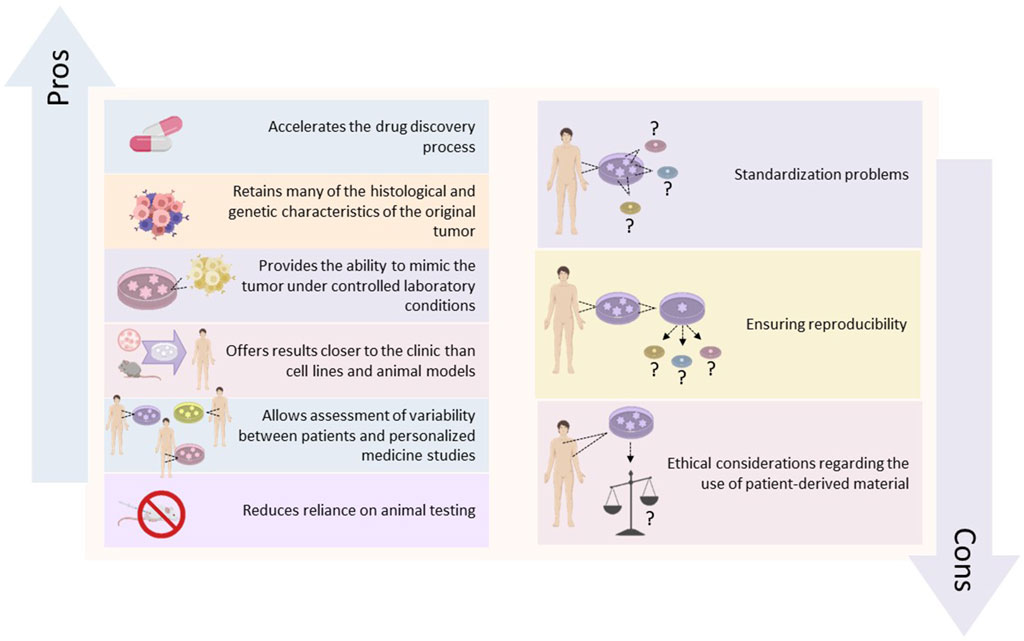
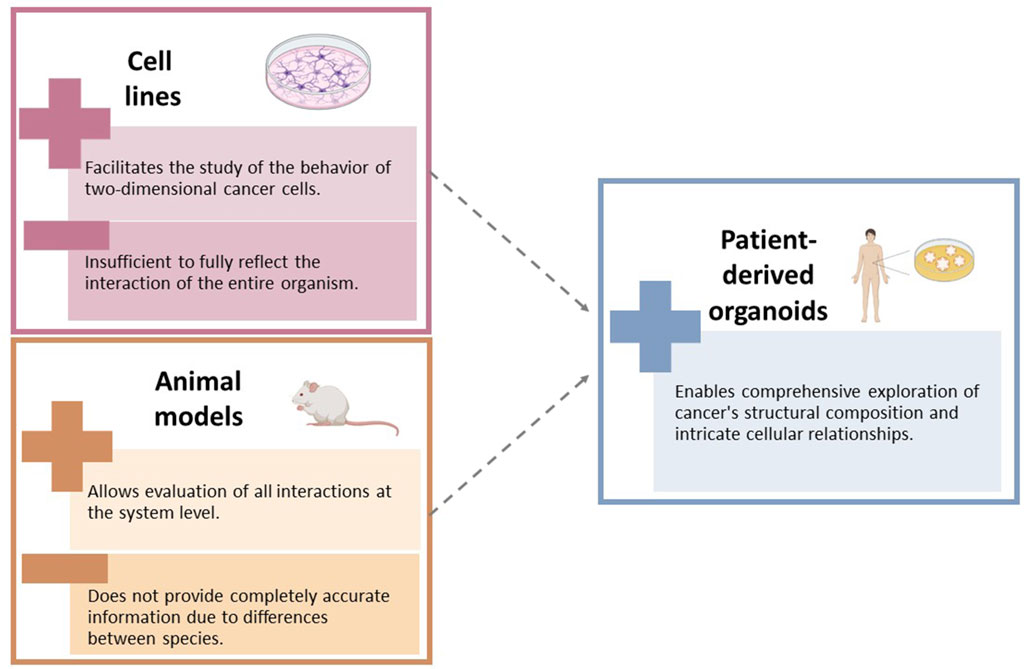
PDOs offer an unprecedented opportunity to replicate the complex structure and genetic makeup of cancers, providing a more accurate model for clinical drug screening and pharmacognostic assessment. Their ability to mimic the patient’s tumor environment allows researchers to predict treatment responses and facilitate novel drug discoveries, marking a significant advancement in oncology.
The Rise of Personalized Medicine
The integration of PDOs into personalized medicine is not just a trend but a necessity. By tailoring treatments to the individual genetic profiles of patients, these organoids are revolutionizing how clinicians approach cancer therapy. This shift towards a more personalized strategy is anticipated to enhance treatment efficacy while reducing side effects.
However, the application of PDOs is not without challenges. Scaling up organoid cultures, ensuring consistent results, and addressing ethical concerns related to the use of patient-derived materials are significant hurdles that researchers must overcome. These challenges underscore the importance of a multidisciplinary approach, involving collaboration across fields such as oncology, biology, pharmacology, and ethics.
Technological Advancements
Recent biotechnological advancements have propelled the field of PDOs forward. Innovations in organoid culturing, such as the use of synthetic hydrogels and microfluidic systems, are enhancing the reproducibility and scalability of these models. Moreover, the integration of 3D bioprinting technology allows for the creation of complex structures that more accurately reflect the tumor microenvironment, including vascular networks crucial for studying anticancer drug effects.
Despite these technological strides, the full potential of PDOs in cancer research is yet to be realized. The scientific community continues to address challenges related to cost, accessibility, and standardization to ensure broader adoption in research and clinical settings.
Future Perspectives
As the oncology landscape evolves, PDOs are set to play a pivotal role in the future of cancer treatment. They hold the promise of bridging the gap between preclinical studies and clinical outcomes, ultimately enhancing patient care worldwide. The continued investment in research and the development of robust regulatory frameworks will be crucial in overcoming current obstacles and unlocking the transformative potential of PDOs.
For more insights into the potential of patient-derived organoids in drug development, visit the original article.
More Articles
Getting licensed or staying ahead in your career can be a journey—but it doesn’t have to be overwhelming. Grab your favorite coffee or tea, take a moment to relax, and browse through our articles. Whether you’re just starting out or renewing your expertise, we’ve got tips, insights, and advice to keep you moving forward. Here’s to your success—one sip and one step at a time!
Lofty has unveiled Lofty AOS, an autonomous AI operating system built to transform how real estate brokerages manage daily operations. Unlike traditional AI tools that wait for prompts, Lofty AOS uses coordinated AI agents to proactively run workflows—from lead management to social media posting—allowing agents to focus on revenue‑producing activities. Designed for control, compliance and seamless integration, this new system signals a major shift in how real estate professionals scale productivity in an increasingly tech‑driven market.
A national survey shows a major shift in how Americans approach estate planning, with 41% now turning to financial advisors before attorneys. Consumers increasingly expect advisors to guide not only wealth transfer, but also values, family communication, and preparing the next generation — creating a powerful opportunity for professionals across real estate, mortgage, insurance, and finance.
A new CBRE survey shows a strong surge in investor optimism as the commercial real estate market begins to stabilize after two turbulent years. Nearly all investors expect to buy the same or more property in 2026, with over half planning to increase their capital allocations. Dallas remains the nation’s top investment market, multifamily leads all asset classes, and moderate‑risk value‑add strategies dominate as confidence and capital return to the sector.
Conversational AI is changing the way real estate professionals create and market listing photos. Instead of waiting for perfect conditions or hiring photo editors, agents and property managers can now brighten rooms, remove clutter, change wall colors, or even virtually stage a space using simple text prompts. The technology helps listings hit the market faster, gives renters and buyers clearer first impressions, and supports more honest, transparent marketing through features like before‑and‑after sliders and edit labels. As AI becomes an essential skill in real estate and related industries, tools like these are redefining how professionals communicate a property’s true potential.
Artificial intelligence is transforming Des Moines’ finance and insurance sectors—home to giants like Wells Fargo, Principal, Nationwide, and Athene. With AI taking over routine quantitative work, the metro faces both economic disruption and new possibilities. While entry‑level roles may shrink, experts say human talent will shift toward strategy, client guidance, and innovation. The ripple effects extend far beyond office walls, raising questions about community vitality, future leadership pipelines, and how today’s professionals can stay competitive through upskilling and ongoing education.
The property management sector is undergoing rapid transformation driven by AI, IoT building systems, automation, and digital platforms. A new report from The Business Research Company projects the market will hit $33.93 billion by 2030, highlighting major shifts such as remote oversight tools, predictive maintenance, and cloud‑based solutions. Industry giants like IBM, Yardi, AppFolio, and JLL are leading the charge, while consolidation moves—such as MCB Real Estate’s acquisition of Pinkard Properties—signal continued expansion. Vacation rental tech is also accelerating, with unified platforms like Streamline One redefining short‑term rental operations. This evolving landscape underscores the growing need for skilled, tech‑savvy real estate professionals.