Revolutionizing Cancer Therapy: The Promise of Patient-Derived Organoids
In a groundbreaking exploration published by Frontiers in Cell and Developmental Biology, the future of cancer therapy is being reshaped by patient-derived organoids (PDOs). These three-dimensional cell cultures, directly harvested from a patient’s tumor, are poised to transform drug development and personalized medicine.
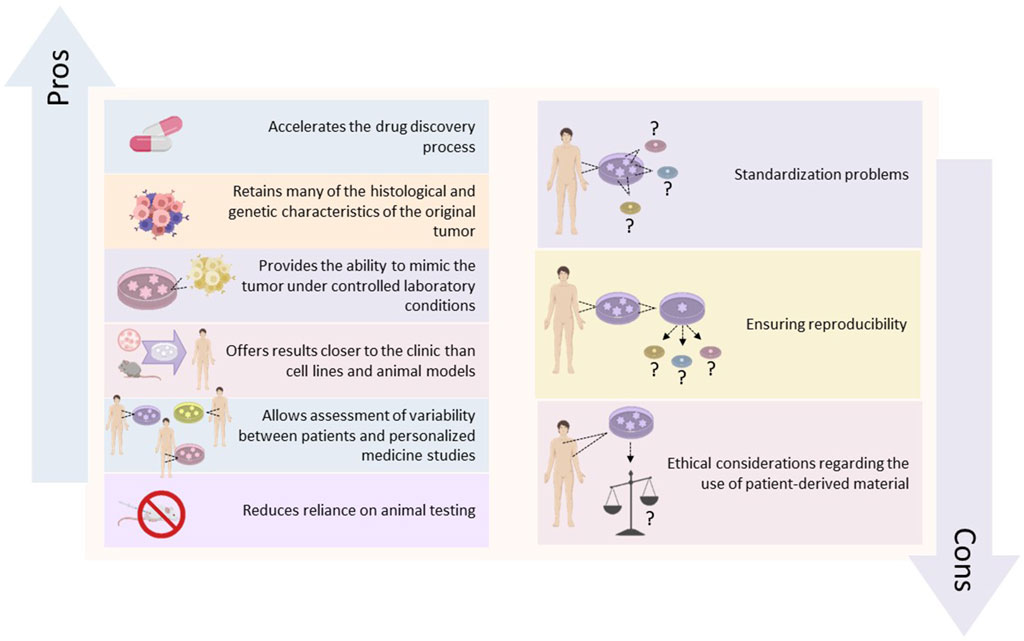
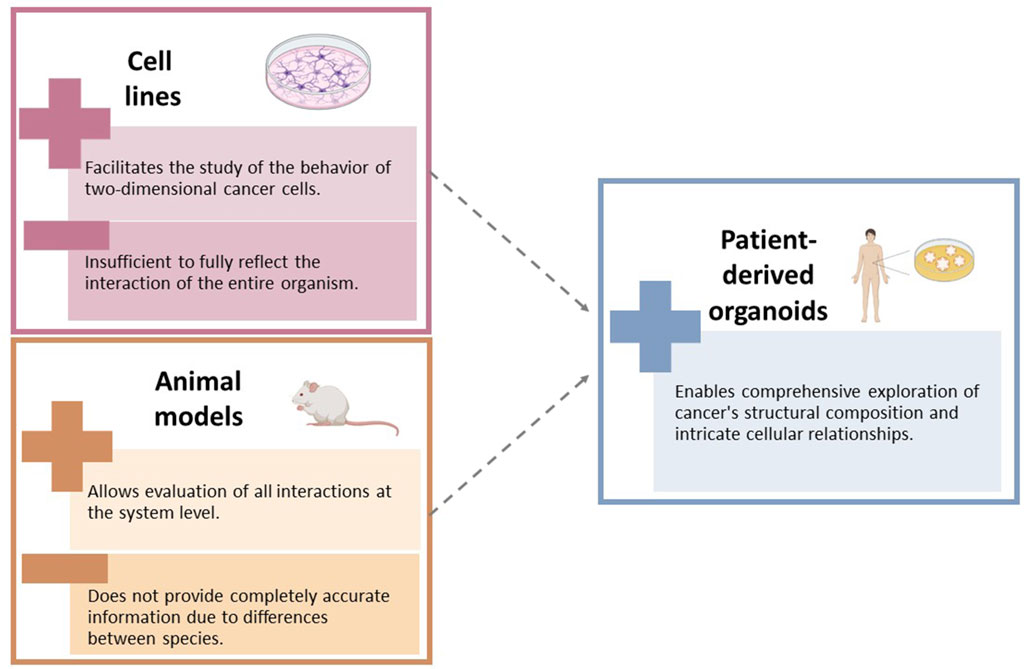
PDOs offer an unprecedented opportunity to replicate the complex structure and genetic makeup of cancers, providing a more accurate model for clinical drug screening and pharmacognostic assessment. Their ability to mimic the patient’s tumor environment allows researchers to predict treatment responses and facilitate novel drug discoveries, marking a significant advancement in oncology.
The Rise of Personalized Medicine
The integration of PDOs into personalized medicine is not just a trend but a necessity. By tailoring treatments to the individual genetic profiles of patients, these organoids are revolutionizing how clinicians approach cancer therapy. This shift towards a more personalized strategy is anticipated to enhance treatment efficacy while reducing side effects.
However, the application of PDOs is not without challenges. Scaling up organoid cultures, ensuring consistent results, and addressing ethical concerns related to the use of patient-derived materials are significant hurdles that researchers must overcome. These challenges underscore the importance of a multidisciplinary approach, involving collaboration across fields such as oncology, biology, pharmacology, and ethics.
Technological Advancements
Recent biotechnological advancements have propelled the field of PDOs forward. Innovations in organoid culturing, such as the use of synthetic hydrogels and microfluidic systems, are enhancing the reproducibility and scalability of these models. Moreover, the integration of 3D bioprinting technology allows for the creation of complex structures that more accurately reflect the tumor microenvironment, including vascular networks crucial for studying anticancer drug effects.
Despite these technological strides, the full potential of PDOs in cancer research is yet to be realized. The scientific community continues to address challenges related to cost, accessibility, and standardization to ensure broader adoption in research and clinical settings.
Future Perspectives
As the oncology landscape evolves, PDOs are set to play a pivotal role in the future of cancer treatment. They hold the promise of bridging the gap between preclinical studies and clinical outcomes, ultimately enhancing patient care worldwide. The continued investment in research and the development of robust regulatory frameworks will be crucial in overcoming current obstacles and unlocking the transformative potential of PDOs.
For more insights into the potential of patient-derived organoids in drug development, visit the original article.
More Articles
Getting licensed or staying ahead in your career can be a journey—but it doesn’t have to be overwhelming. Grab your favorite coffee or tea, take a moment to relax, and browse through our articles. Whether you’re just starting out or renewing your expertise, we’ve got tips, insights, and advice to keep you moving forward. Here’s to your success—one sip and one step at a time!
The 2026 housing market is off to a powerful start, with rising buyer activity, expanding inventory, and steady pricing creating one of the most balanced environments in years. Pending home sales and mortgage applications are climbing, inventory has reached 2.6 months of supply, and new listings continue to grow—all signaling renewed confidence and fresh opportunity for real estate professionals nationwide.
A wave of optimism is returning to U.S. commercial real estate heading into 2026, with 95% of investors planning to buy the same or more property than last year. Capital allocations are rising, Sun Belt cities continue to shine, and multifamily remains the top asset class. As pricing stabilizes and debt pressures ease, professionals across real estate and finance are entering a year defined by strategic growth and renewed opportunity.
Floridians were told insurance relief was on the way, but many homeowners are seeing the opposite as premiums continue to rise. Despite state leaders insisting the market is improving and insurers filing rate decreases, homeowners like Lisa Riggi say the real‑world impact tells a different story. Higher property valuations, inflation, and updated replacement‑cost calculations are driving premiums upward, leaving some families questioning whether they can afford to remain in Florida.
Florida once promised retirees sunshine, low costs, and a $20,000 condo by the pool. But in 2026, soaring insurance rates, rising taxes, shrinking affordable housing, and an influx of wealthier newcomers have transformed the state into a far more expensive version of the paradise our parents knew. From corporate buyouts of mobile home parks to multimillion‑dollar estates redefining the market, today’s Florida is a place of widening gaps, disappearing middle‑range homes, and a future that demands deeper pockets—and smarter market insight.
Mortgage rates continue easing into the low 6% range, giving buyers and real estate professionals a welcome boost in early February 2026. Softer labor market data and slipping Treasury yields are helping keep rates stable, with 30‑year fixed loans averaging around 6.26% and refinance rates also trending lower. While affordability remains tight, today’s calmer rate environment is opening doors for more buyers—and offers agents a clearer outlook as they guide clients through a still‑shifting market.
A new CBRE survey reveals that U.S. commercial real estate investors are preparing to ramp up acquisitions in 2026, signaling renewed confidence across the sector. Dallas leads the nation for the fifth straight year as the top investment market, followed by Atlanta and San Francisco. Florida markets like Miami and Tampa continue to rise, while cities such as Charlotte, Nashville, Seattle, and New York also attract strong investor attention. With activity heating up nationwide, 2026 is shaping into a powerful year for commercial real estate professionals.