In an era where the COVID-19 pandemic has reshaped the educational landscape, a groundbreaking study published on Frontiers reveals a transformative approach for bio-pharmaceutical students in China. The study, titled “Online-Offline Teaching for Bio-Pharmaceutical Students During the COVID-19 Pandemic,” explores the efficacy of a blended teaching model that combines online education with offline outcome-based learning.
Blending Tradition with Innovation
As traditional face-to-face teaching faced unprecedented challenges, educators were compelled to innovate. This study introduces a hybrid model that merges online learning with offline methodologies, aiming to enhance student engagement and comprehension. The model integrates “case study + knowledge point + applications,” a strategy that has shown promising results in application-oriented universities across China.
Methodology and Results
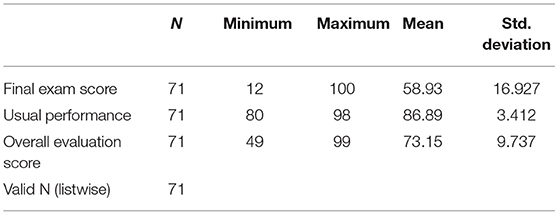
The researchers conducted a comparative analysis involving two groups of undergraduates. The experimental group, which experienced the blended model, demonstrated greater differentiation in learning outcomes compared to the control group, which adhered to traditional teaching methods. This approach not only fostered a deeper understanding of advanced mathematics but also encouraged students to apply their knowledge in real-world scenarios.
Implications for the Future
The findings underscore the potential of blended learning models in transforming educational practices. By leveraging technology and innovative teaching strategies, educators can cater to diverse learning needs, thereby preparing students for future challenges. As the study suggests, the key lies in stimulating student interest and fostering an environment conducive to autonomous learning.
Conclusion
As we navigate the complexities of post-pandemic education, this study serves as a beacon of hope and innovation. It highlights the importance of adapting teaching methods to meet the evolving demands of students and underscores the role of educators in driving educational reform. For more detailed insights, the full study can be accessed through its DOI link.
References:
Abramovich, S., Grinshpan, A. Z., & Milligan, D. L. (2019). Teaching mathematics through concept motivation and action learning. Edu Res Int.CrossRef
Armstrong-Mensah, E., et al. (2020). COVID-19 and distance learning: effects on Georgia state University school of public health students. Front Public Health.CrossRef
More Articles
Getting licensed or staying ahead in your career can be a journey—but it doesn’t have to be overwhelming. Grab your favorite coffee or tea, take a moment to relax, and browse through our articles. Whether you’re just starting out or renewing your expertise, we’ve got tips, insights, and advice to keep you moving forward. Here’s to your success—one sip and one step at a time!
The Florida Treasure Coast started the new year with a surge of 1,905 new home listings—up 22 percent from last January—signaling one of the strongest inventory jumps in years. While Martin County saw its median home price drop by nearly $100,000, nearby St. Lucie and Indian River counties continued to rise, creating a uniquely mixed market. With sales climbing and inventory levels shifting toward a more buyer-friendly landscape, 2026 is shaping up to be an active and opportunity-rich year for both seasoned agents and those entering the real estate field.
A unanimously passed House bill, HB 767, aims to require insurers to publicly disclose rate and premium data—giving Floridians long‑awaited clarity on rising costs. If approved by the Senate, the measure could significantly impact homeowners, real estate agents, mortgage professionals, and insurance specialists by increasing consumer trust and revealing how insurers calculate premiums.
U.S. mortgage rates have dipped to 5.98 percent, breaking below the 6 percent mark for the first time since 2022 and giving the spring home-buying season a fresh boost. With rates falling for the third straight week and buyer interest rising, experts say this shift could encourage more market activity—though many homeowners with ultra‑low pandemic-era rates may still hesitate to sell.
Artificial intelligence is rapidly transforming real estate, from listing creation to MLS infrastructure, forcing the industry to rethink how data is used, altered and protected. With AI tools making it easier than ever to modify photos, automate marketing and process sensitive documents, MLSs and state regulators are racing to establish new guardrails that ensure accuracy, privacy and consumer protection without slowing innovation.
Today’s real estate pros juggle nonstop client demands, constant marketing, and mountains of paperwork—but AI is stepping in as the ultimate assistant. From instant lead responses and personalized follow-up messages to predictive pricing tools and automated transaction support, agents are using AI to save hours, boost production, and stay competitive. The future of real estate belongs to professionals who combine their human touch with smart technology, and the shift is already happening.
A landmark US Supreme Court decision striking down the use of emergency powers to impose broad tariffs has upended global trade expectations, lifted equity markets, and sent businesses scrambling to understand what comes next. While GDP slowed and inflation rose, markets reacted positively as the ruling removed a major source of uncertainty for importers, exporters, and investors. With the old tariff framework dismantled and new targeted measures on the horizon, industries from real estate to finance are bracing for shifting economic conditions that could influence everything from consumer spending to investment strategy.