In an era where the COVID-19 pandemic has reshaped the educational landscape, a groundbreaking study published on Frontiers reveals a transformative approach for bio-pharmaceutical students in China. The study, titled “Online-Offline Teaching for Bio-Pharmaceutical Students During the COVID-19 Pandemic,” explores the efficacy of a blended teaching model that combines online education with offline outcome-based learning.
Blending Tradition with Innovation
As traditional face-to-face teaching faced unprecedented challenges, educators were compelled to innovate. This study introduces a hybrid model that merges online learning with offline methodologies, aiming to enhance student engagement and comprehension. The model integrates “case study + knowledge point + applications,” a strategy that has shown promising results in application-oriented universities across China.
Methodology and Results
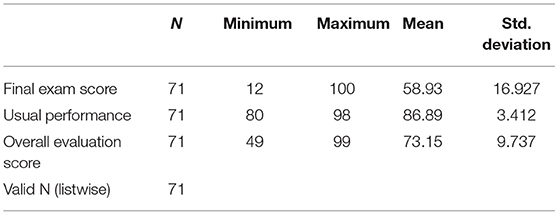
The researchers conducted a comparative analysis involving two groups of undergraduates. The experimental group, which experienced the blended model, demonstrated greater differentiation in learning outcomes compared to the control group, which adhered to traditional teaching methods. This approach not only fostered a deeper understanding of advanced mathematics but also encouraged students to apply their knowledge in real-world scenarios.
Implications for the Future
The findings underscore the potential of blended learning models in transforming educational practices. By leveraging technology and innovative teaching strategies, educators can cater to diverse learning needs, thereby preparing students for future challenges. As the study suggests, the key lies in stimulating student interest and fostering an environment conducive to autonomous learning.
Conclusion
As we navigate the complexities of post-pandemic education, this study serves as a beacon of hope and innovation. It highlights the importance of adapting teaching methods to meet the evolving demands of students and underscores the role of educators in driving educational reform. For more detailed insights, the full study can be accessed through its DOI link.
References:
Abramovich, S., Grinshpan, A. Z., & Milligan, D. L. (2019). Teaching mathematics through concept motivation and action learning. Edu Res Int.CrossRef
Armstrong-Mensah, E., et al. (2020). COVID-19 and distance learning: effects on Georgia state University school of public health students. Front Public Health.CrossRef
Select options
This product has multiple variants. The options may be chosen on the product page
Details
More Articles
Getting licensed or staying ahead in your career can be a journey—but it doesn’t have to be overwhelming. Grab your favorite coffee or tea, take a moment to relax, and browse through our articles. Whether you’re just starting out or renewing your expertise, we’ve got tips, insights, and advice to keep you moving forward. Here’s to your success—one sip and one step at a time!
While most people chase AI stocks or compete for high‑pressure tech jobs, the real opportunity may be unfolding in AI boomtown real estate. As companies like OpenAI, Anthropic, Microsoft, and NVIDIA mint new waves of wealthy workers, demand for housing in key cities is exploding. From San Francisco to Austin, AI‑driven markets are seeing rising rents, limited inventory, and buyers preparing for massive IPO windfalls. For real estate professionals—or anyone entering the field—this surge represents one of the strongest long‑term opportunities in the industry.
Florida is ending its 1 percent emergency insurance surcharge two years ahead of schedule, saving homeowners an estimated 650 million dollars through 2028. Thanks to a calm hurricane season, fewer insurer failures, and reduced lawsuits, officials say the state’s property insurance market is now in its strongest financial position in a decade. The change offers relief for homeowners and new momentum for Florida’s real estate industry, where lower insurance costs can boost buyer confidence and support smoother transactions.
A growing political push to block institutional investors from buying single-family homes may sound like a pro-homeowner policy, but the data shows it could do the opposite. Younger and racially diverse renters rely heavily on single-family rentals as an affordable, stable alternative to buying—yet restricting investor participation would shrink this supply, pushing many families into overcrowded housing, motels, or homelessness. The real issue isn’t who buys the homes, but that America doesn’t have enough of them.
Zillow’s 2026 Agent Trends Survey reveals a major shift in what agents value most: technology that reduces mental drain. Nearly half of agents now use AI tools daily, yet most still juggle multiple platforms that sap their focus. Zillow’s upcoming unified platform, Zillow Pro, aims to streamline workflows and cut cognitive load. The survey also highlights key industry trends, including buyer financial literacy gaps, the importance of relationships for lead generation and the growing need for tech fluency among both new and seasoned real estate professionals.
Florida’s housing market is still surging, with luxury enclaves like Lake Buena Vista, Jupiter Island, and Golden Beach seeing massive six‑figure price jumps in just one year. Smaller towns such as Old Town, Cross City, and Hosford also posted steady gains, proving demand is rising statewide. For real estate professionals, these trends highlight where buyers are moving, where inventory is tight, and where future opportunities lie—making market literacy an essential advantage for anyone pursuing or expanding a career in Florida real estate.
Rhode Island is launching its sixth major housing reform package, aiming to boost affordability through zoning updates, lot splits, code changes, and the revival of single room occupancy and co‑living housing. With the state still recovering from years of underbuilding and soaring home prices, lawmakers hope these reforms will unlock new supply, ease pressure on renters and buyers, and create fresh opportunities for real estate professionals.