Revolutionizing Healthcare: NHS Trials AI Tool for Early Diabetes Detection
In an unprecedented leap for preventive medicine, the National Health Service (NHS) in England is poised to trial Aire-DM, a groundbreaking AI tool designed to predict the risk of type 2 diabetes a remarkable 13 years before its onset. This ambitious trial is set to commence in 2025 at both Imperial College Healthcare NHS Trust and Chelsea and Westminster Hospital NHS Foundation Trust, marking a significant stride in healthcare innovation.
How Aire-DM Works
Aire-DM utilizes advanced AI algorithms to scrutinize electrocardiogram (ECG) readings obtained during routine heart scans. By detecting subtle changes in the heart’s electrical signals—often invisible to the human eye—this technology provides an early warning system for potential type 2 diabetes development. These changes, such as prolonged electrical activation times, are crucial indicators of how diabetes can affect cardiac structure and function.
Dr. Libor Pastika, a clinical research training fellow at Imperial College, underscores the transformative potential of Aire-DM, stating, “AI holds enormous potential to transform care, leading to substantial health improvements. By unlocking insights hidden within ECG data, Aire-DM could revolutionize how we predict and manage the future risk of type 2 diabetes.”
Importance of Early Detection
Type 2 diabetes, a chronic condition affecting millions globally, can lead to severe complications such as heart disease, kidney failure, and neuropathy. Early detection allows healthcare providers to implement preventive measures, including dietary changes, increased physical activity, and medication, to delay or even prevent the disease’s onset.
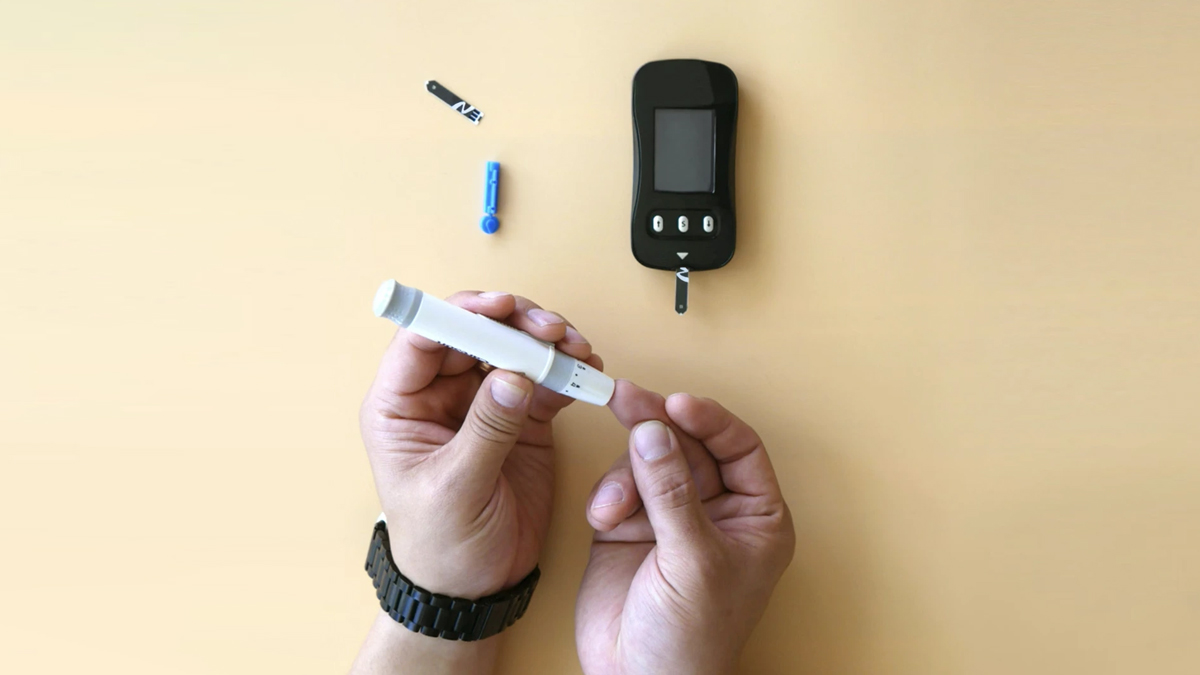
Traditional methods of identifying diabetes risk often rely on family history, blood sugar levels, and lifestyle factors. However, Aire-DM’s ability to analyze ECG data offers a more precise and proactive approach.
Global Implications and Future Prospects
As the first healthcare system globally to implement trials for this AI-based tool, the NHS aims to assess its accuracy, feasibility, and impact on patient outcomes. If successful, Aire-DM could become a standard screening tool in hospitals and clinics worldwide, setting a precedent for future AI applications in medicine. Its success could spur advancements in predicting other chronic conditions, reimagining the future of preventive care.
The trial of Aire-DM by the NHS signifies a monumental leap forward in preventive medicine. By leveraging AI to detect diabetes risk early, healthcare providers can intervene sooner, ultimately saving lives and reducing the long-term impact of the disease.
As the trial unfolds, it holds the promise of setting a global precedent for integrating AI into routine healthcare, revolutionizing how chronic conditions like type 2 diabetes are managed and prevented.
“`
More Articles
Getting licensed or staying ahead in your career can be a journey—but it doesn’t have to be overwhelming. Grab your favorite coffee or tea, take a moment to relax, and browse through our articles. Whether you’re just starting out or renewing your expertise, we’ve got tips, insights, and advice to keep you moving forward. Here’s to your success—one sip and one step at a time!
After years of sluggish commercial real estate performance, falling interest rates may finally set the stage for a market rebound. As the Federal Reserve signals further cuts, investors are eyeing REITs—and especially the Direxion Real Estate Bull 3X ETF (DRN), a leveraged fund designed to triple the daily movement of major commercial real estate stocks. DRN offers powerful upside potential during a rally, but its high‑risk, short‑term nature means it’s best suited for experienced traders who understand volatility and the mechanics of leverage.
A new proposal in Florida’s legislature could reshape the path to homeownership for working residents. House Bill 311, championed by State Rep. Jervonte Edmonds, would require certain private employers to contribute up to $5,000 toward their first-time homebuyer employees’ down payments or closing costs. Backed by bipartisan support, the bill ties employer tax write-offs directly to helping workers purchase homes, marking a unique approach to housing affordability. Now moving through committee, HB 311 could become one of the nation’s most innovative employer-assisted housing programs.
Artificial intelligence is pushing the real estate industry to confront a long‑standing problem: its data is fragmented, inconsistent, and nearly impossible for AI systems to interpret. From leases and rent rolls to county records and work orders, nothing is standardized, making AI adoption costly and inefficient. Industry leaders are now turning toward shared data standards and ontologies—like OSCRE’s “smart data highway”—to create cleaner, interoperable information systems. As real estate evolves, professionals who understand data and AI will have a major advantage, and schools like Cameron Academy are helping prepare them for this shift.
The U.S. housing market stumbled into 2026 as January home sales tumbled 8.4% from December, hitting their lowest pace in over a year. With inventory still tight, prices rising, and market activity stagnating, NAR’s chief economist warns that Americans—especially renters—are “stuck” in a new kind of housing crisis. Despite improving affordability on paper, sluggish movement and regional declines signal a market demanding sharper strategy and adaptability from today’s real estate professionals.
A fresh 2026 analysis reveals the top home insurance companies in the U.S., breaking down which carriers offer the best value, coverage options, and customer satisfaction. State Farm leads for customer experience, American Family shines for first-time buyers, and Allstate, Farmers, and Nationwide each earn top marks in specialized categories. With Florida’s premiums surging to more than double the national average, industry pros and homeowners alike gain a clear advantage by understanding which insurers remain strong—especially as weather risks, insurer withdrawals, and rising reconstruction costs reshape the market.
A new Perryman Group analysis shows Florida’s 2022–2023 insurance reforms are paying off, lowering property‑casualty costs by 14.5% and generating more than $4.2 billion in economic activity. With over 29,000 jobs created and premium increases nearly flat in 2025, the state’s long‑troubled insurance market is finally stabilizing as major carriers reduce rates and return to the market.

 Traditional methods of identifying diabetes risk often rely on family history, blood sugar levels, and lifestyle factors. However, Aire-DM’s ability to analyze ECG data offers a more precise and proactive approach.