Revolutionizing Healthcare: NHS Trials AI Tool for Early Diabetes Detection
In an unprecedented leap for preventive medicine, the National Health Service (NHS) in England is poised to trial Aire-DM, a groundbreaking AI tool designed to predict the risk of type 2 diabetes a remarkable 13 years before its onset. This ambitious trial is set to commence in 2025 at both Imperial College Healthcare NHS Trust and Chelsea and Westminster Hospital NHS Foundation Trust, marking a significant stride in healthcare innovation.
How Aire-DM Works
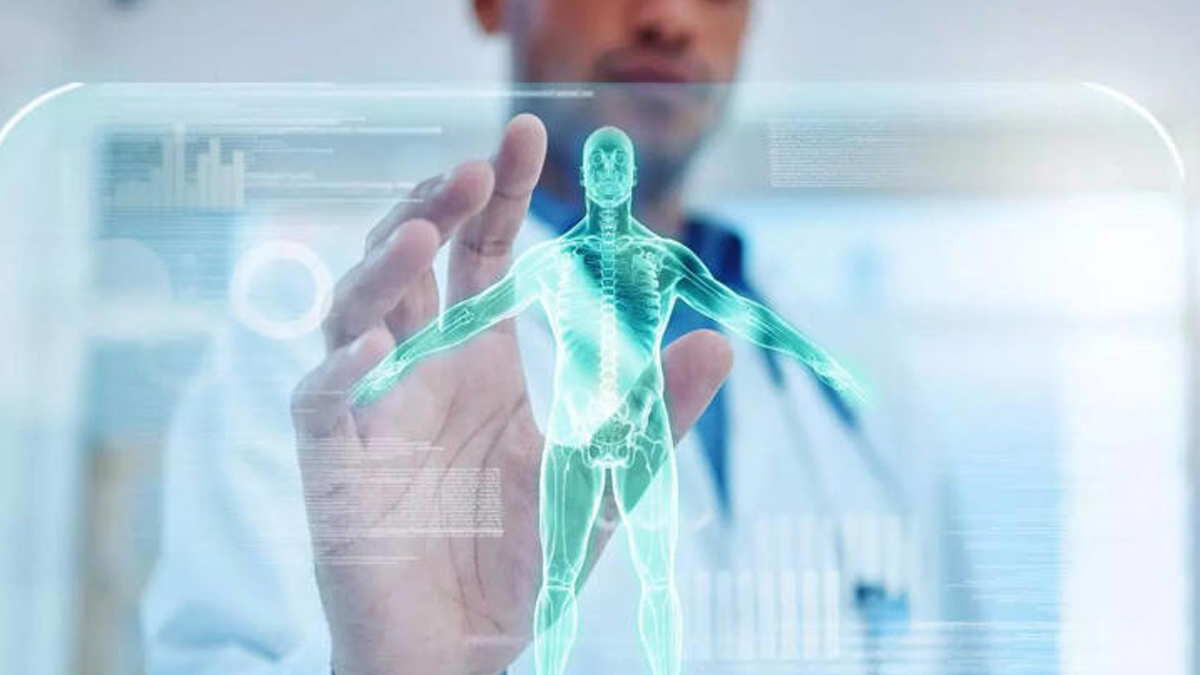
Aire-DM utilizes advanced AI algorithms to scrutinize electrocardiogram (ECG) readings obtained during routine heart scans. By detecting subtle changes in the heart’s electrical signals—often invisible to the human eye—this technology provides an early warning system for potential type 2 diabetes development. These changes, such as prolonged electrical activation times, are crucial indicators of how diabetes can affect cardiac structure and function.
Dr. Libor Pastika, a clinical research training fellow at Imperial College, underscores the transformative potential of Aire-DM, stating, “AI holds enormous potential to transform care, leading to substantial health improvements. By unlocking insights hidden within ECG data, Aire-DM could revolutionize how we predict and manage the future risk of type 2 diabetes.”
Importance of Early Detection
Type 2 diabetes, a chronic condition affecting millions globally, can lead to severe complications such as heart disease, kidney failure, and neuropathy. Early detection allows healthcare providers to implement preventive measures, including dietary changes, increased physical activity, and medication, to delay or even prevent the disease’s onset.
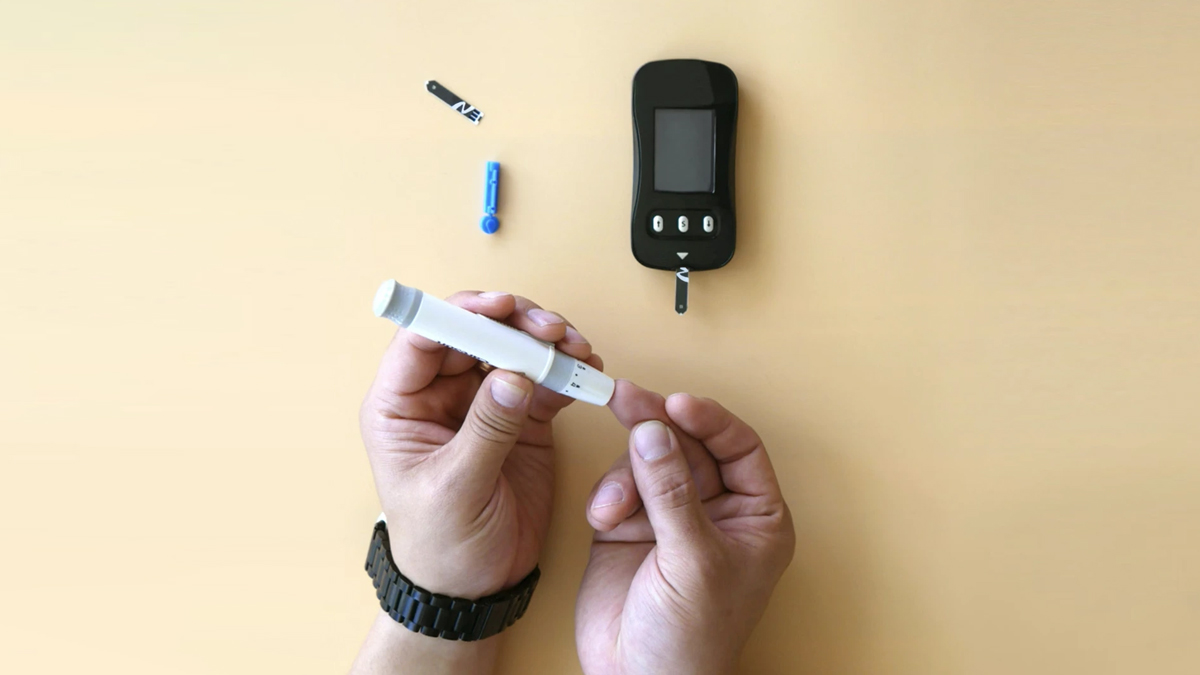
Traditional methods of identifying diabetes risk often rely on family history, blood sugar levels, and lifestyle factors. However, Aire-DM’s ability to analyze ECG data offers a more precise and proactive approach.
Global Implications and Future Prospects
As the first healthcare system globally to implement trials for this AI-based tool, the NHS aims to assess its accuracy, feasibility, and impact on patient outcomes. If successful, Aire-DM could become a standard screening tool in hospitals and clinics worldwide, setting a precedent for future AI applications in medicine. Its success could spur advancements in predicting other chronic conditions, reimagining the future of preventive care.
The trial of Aire-DM by the NHS signifies a monumental leap forward in preventive medicine. By leveraging AI to detect diabetes risk early, healthcare providers can intervene sooner, ultimately saving lives and reducing the long-term impact of the disease.
As the trial unfolds, it holds the promise of setting a global precedent for integrating AI into routine healthcare, revolutionizing how chronic conditions like type 2 diabetes are managed and prevented.
“`
More Articles
Getting licensed or staying ahead in your career can be a journey—but it doesn’t have to be overwhelming. Grab your favorite coffee or tea, take a moment to relax, and browse through our articles. Whether you’re just starting out or renewing your expertise, we’ve got tips, insights, and advice to keep you moving forward. Here’s to your success—one sip and one step at a time!
AI's integration is set to usher in personalized treatment plans tailored to individual genetic profiles and lifestyles. Virtual health assistants will soon provide real-time, accurate medical advice, managing over 85% of customer interactions by 2025.
In the ever-evolving world of science, the potential to edit fetal genomes is no longer a distant dream but an emerging reality. Yet, as the boundaries of genomic medicine expand, the ethical discussions surrounding these advancements remain in their infancy.
While urban hospitals attract rural patients, rural healthcare providers see a decline in patient numbers leading to rising rural hospital bankruptcies. This dynamic affects rural hospital revenues and influences insurance reimbursement strategies, calling for urgent policy reforms to ensure rural hospitals benefit from the telemedicine boom.
As the clock ticks down to December 31, 2024, the future of telehealth services in the United States hangs in the balance. The looming deadline has healthcare providers, hospitals, and stakeholders on high alert.
Greece is witnessing a surge in digital health technologies, with telemedicine, wearable devices, and AI-powered tools leading the charge. These innovations are not only reshaping healthcare delivery but are also projected to boost the digital health market to a staggering $454.70 million by 2027.

 Traditional methods of identifying diabetes risk often rely on family history, blood sugar levels, and lifestyle factors. However, Aire-DM’s ability to analyze ECG data offers a more precise and proactive approach.