Revolutionizing Healthcare: NHS Trials AI Tool for Early Diabetes Detection
In an unprecedented leap for preventive medicine, the National Health Service (NHS) in England is poised to trial Aire-DM, a groundbreaking AI tool designed to predict the risk of type 2 diabetes a remarkable 13 years before its onset. This ambitious trial is set to commence in 2025 at both Imperial College Healthcare NHS Trust and Chelsea and Westminster Hospital NHS Foundation Trust, marking a significant stride in healthcare innovation.
How Aire-DM Works
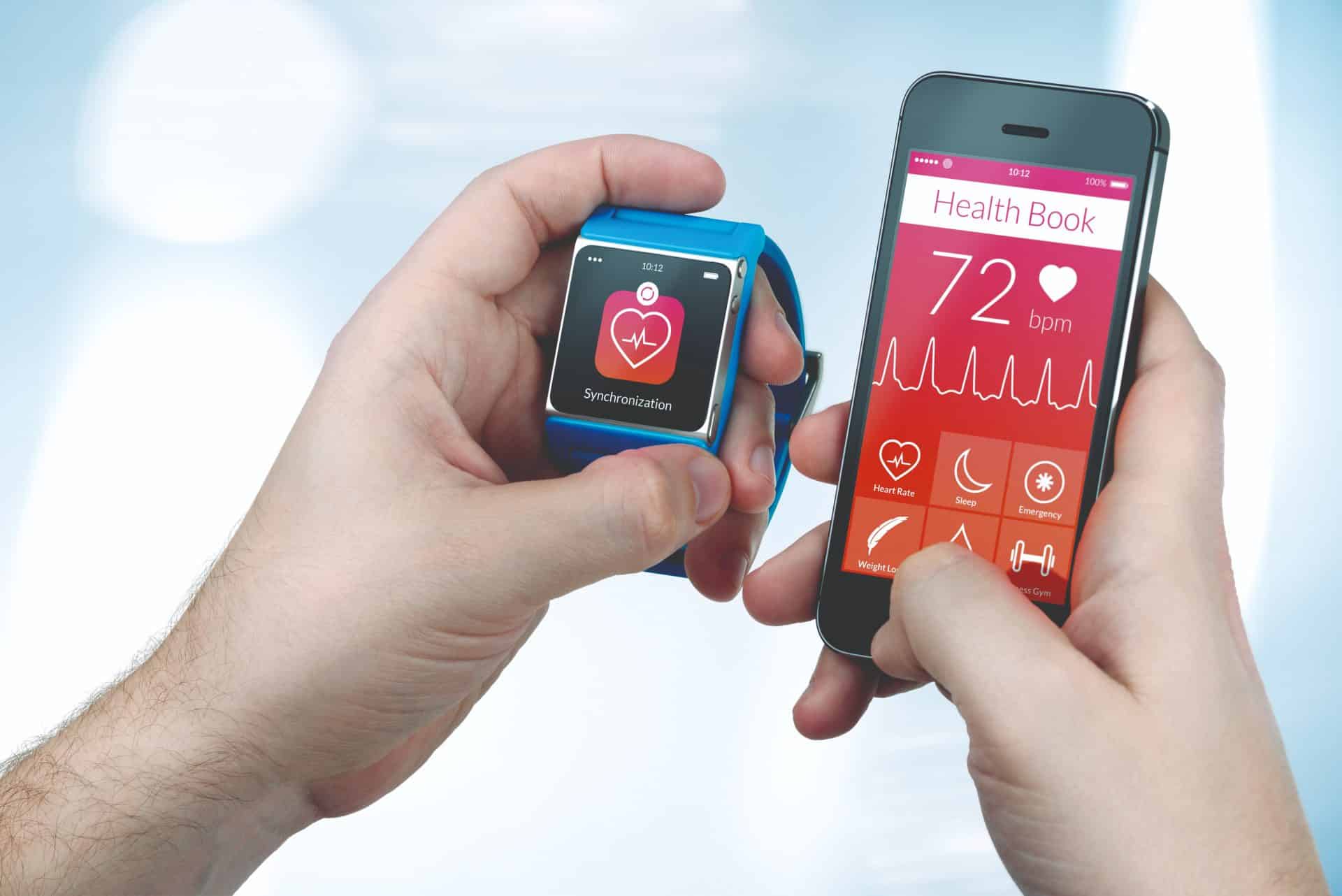
Aire-DM utilizes advanced AI algorithms to scrutinize electrocardiogram (ECG) readings obtained during routine heart scans. By detecting subtle changes in the heart’s electrical signals—often invisible to the human eye—this technology provides an early warning system for potential type 2 diabetes development. These changes, such as prolonged electrical activation times, are crucial indicators of how diabetes can affect cardiac structure and function.
Dr. Libor Pastika, a clinical research training fellow at Imperial College, underscores the transformative potential of Aire-DM, stating, “AI holds enormous potential to transform care, leading to substantial health improvements. By unlocking insights hidden within ECG data, Aire-DM could revolutionize how we predict and manage the future risk of type 2 diabetes.”
Importance of Early Detection
Type 2 diabetes, a chronic condition affecting millions globally, can lead to severe complications such as heart disease, kidney failure, and neuropathy. Early detection allows healthcare providers to implement preventive measures, including dietary changes, increased physical activity, and medication, to delay or even prevent the disease’s onset.
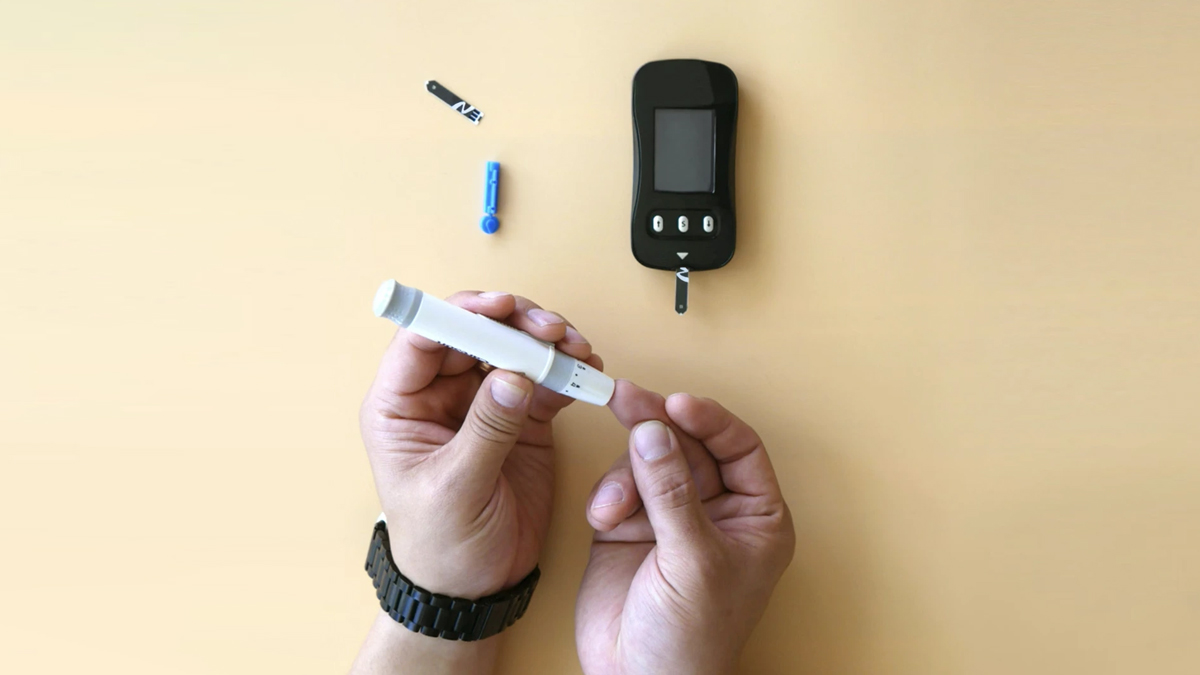
Traditional methods of identifying diabetes risk often rely on family history, blood sugar levels, and lifestyle factors. However, Aire-DM’s ability to analyze ECG data offers a more precise and proactive approach.
Global Implications and Future Prospects
As the first healthcare system globally to implement trials for this AI-based tool, the NHS aims to assess its accuracy, feasibility, and impact on patient outcomes. If successful, Aire-DM could become a standard screening tool in hospitals and clinics worldwide, setting a precedent for future AI applications in medicine. Its success could spur advancements in predicting other chronic conditions, reimagining the future of preventive care.
The trial of Aire-DM by the NHS signifies a monumental leap forward in preventive medicine. By leveraging AI to detect diabetes risk early, healthcare providers can intervene sooner, ultimately saving lives and reducing the long-term impact of the disease.
As the trial unfolds, it holds the promise of setting a global precedent for integrating AI into routine healthcare, revolutionizing how chronic conditions like type 2 diabetes are managed and prevented.
“`
More Articles
Getting licensed or staying ahead in your career can be a journey—but it doesn’t have to be overwhelming. Grab your favorite coffee or tea, take a moment to relax, and browse through our articles. Whether you’re just starting out or renewing your expertise, we’ve got tips, insights, and advice to keep you moving forward. Here’s to your success—one sip and one step at a time!
In a rapidly evolving healthcare landscape, the Arab Health 2025 exhibition in Dubai emerges as a pivotal event, set to showcase the transformative role of technology in medicine across the Middle East.
The world of healthcare is on the brink of a revolution, as new technologies promise to reshape the landscape of medicine by 2025. As reported by The Island News, these advancements are poised to bring about transformative changes, ensuring that the future of healthcare is both innovative and patient-centric.
Modern wearables, particularly smartwatches, now offer functionalities such as heart rate monitoring, oxygen saturation, blood pressure tracking, and ECG readings. These features support the growing concepts of quantified self, body hacking, and self-surveillance, fostering a proactive approach to health management.
The cyber insurance and reinsurance industry is on a trajectory towards sustained profitability through 2025, as highlighted by a recent assessment from S&P Global Ratings. This optimism stems from consistent underwriting gains anticipated for 2023 and 2024, primarily driven by significant premium rate hikes and stricter policy terms implemented between 2021 and 2022.
2025 has ushered in a new era of innovation that seamlessly integrates convenience, security, and efficiency into our daily lives, creating a cohesive ecosystem that elevates your home’s IQ.
V2X technology enables seamless communication between vehicles, pedestrians, and infrastructure, transforming a vision once confined to science fiction into a tangible reality.

 Traditional methods of identifying diabetes risk often rely on family history, blood sugar levels, and lifestyle factors. However, Aire-DM’s ability to analyze ECG data offers a more precise and proactive approach.