“`html

Revolutionizing Healthcare: NHS Trials AI Tool for Early Diabetes Detection

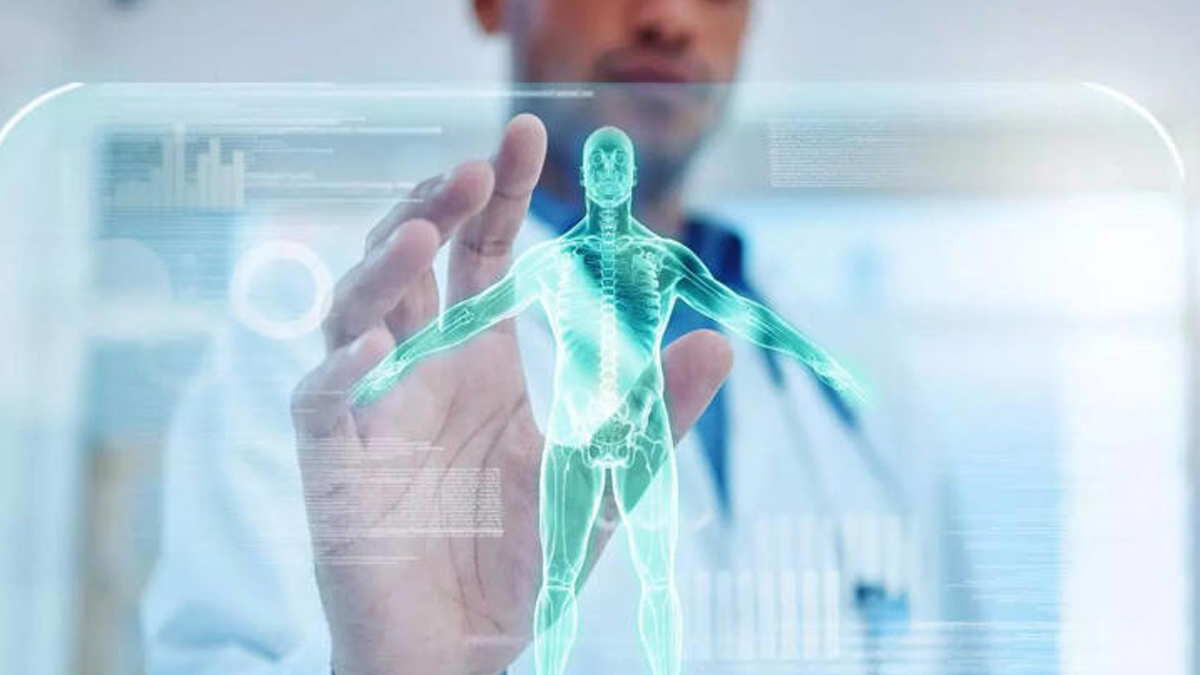
In an unprecedented leap for preventive medicine, the National Health Service (NHS) in England is poised to trial Aire-DM, a groundbreaking AI tool designed to predict the risk of type 2 diabetes a remarkable 13 years before its onset. This ambitious trial is set to commence in 2025 at both Imperial College Healthcare NHS Trust and Chelsea and Westminster Hospital NHS Foundation Trust, marking a significant stride in healthcare innovation. Ecg analysis

How Aire-DM Works

Aire-DM utilizes advanced AI algorithms to scrutinize electrocardiogram (ECG) readings obtained during routine heart scans. By detecting subtle changes in the heart’s electrical signals—often invisible to the human eye—this technology provides an early warning system for potential type 2 diabetes development. These changes, such as prolonged electrical activation times, are crucial indicators of how diabetes can affect cardiac structure and function. Dr. Libor Pastika, a clinical research training fellow at Imperial College, underscores the transformative potential of Aire-DM, stating, “AI holds enormous potential to transform care, leading to substantial health improvements. By unlocking insights hidden within ECG data, Aire-DM could revolutionize how we predict and manage the future risk of type 2 diabetes.”

Importance of Early Detection

Type 2 diabetes, a chronic condition affecting millions globally, can lead to severe complications such as heart disease, kidney failure, and neuropathy. Early detection allows healthcare providers to implement preventive measures, including dietary changes, increased physical activity, and medication, to delay or even prevent the disease’s onset. Diabetes prevention Traditional methods of identifying diabetes risk often rely on family history, blood sugar levels, and lifestyle factors. However, Aire-DM’s ability to analyze ECG data offers a more precise and proactive approach.

Global Implications and Future Prospects

As the first healthcare system globally to implement trials for this AI-based tool, the NHS aims to assess its accuracy, feasibility, and impact on patient outcomes. If successful, Aire-DM could become a standard screening tool in hospitals and clinics worldwide, setting a precedent for future AI applications in medicine. Its success could spur advancements in predicting other chronic conditions, reimagining the future of preventive care. The trial of Aire-DM by the NHS signifies a monumental leap forward in preventive medicine. By leveraging AI to detect diabetes risk early, healthcare providers can intervene sooner, ultimately saving lives and reducing the long-term impact of the disease. As the trial unfolds, it holds the promise of setting a global precedent for integrating AI into routine healthcare, revolutionizing how chronic conditions like type 2 diabetes are managed and prevented. “`

More Articles

Getting licensed or staying ahead in your career can be a journey—but it doesn’t have to be overwhelming. Grab your favorite coffee or tea, take a moment to relax, and browse through our articles. Whether you’re just starting out or renewing your expertise, we’ve got tips, insights, and advice to keep you moving forward. Here’s to your success—one sip and one step at a time!

Revolutionizing Healthcare: Telemedicine Services in 2024

In 2024, telemedicine services have expanded not only in availability but also in the variety of offerings tailored to meet diverse patient needs and preferences.

By |December 31, 2024|Categories: Article, Healthcare, Telemedicine Services|Tags: , |0 Comments

Revolutionizing Neurology: The AI Frontier

In a groundbreaking exploration of artificial intelligence's (AI) transformative potential, a recent article published by Frontiers delves into how AI is reshaping the landscape of neurological care, particularly in emergency settings.

By |December 30, 2024|Categories: Article, Artificial Intelligence, Neurology|Tags: |0 Comments

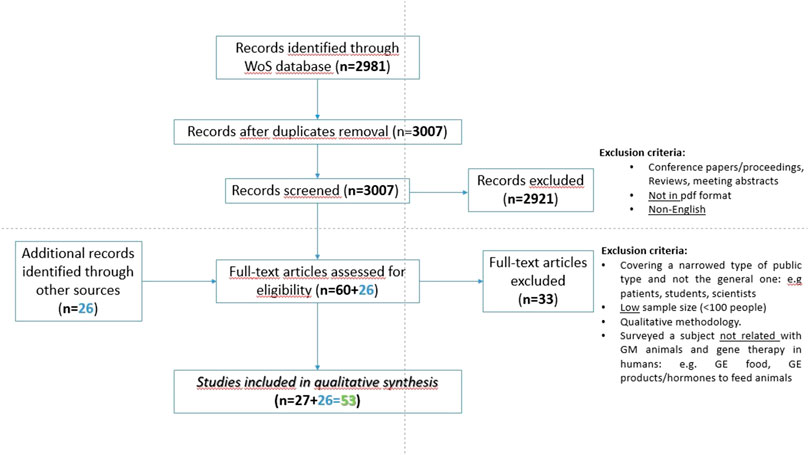
Public Perception of Genetic Engineering: Insights Before and After the CRISPR Era

The introduction of CRISPR-Cas9 in 2012 was a groundbreaking moment in the field of genetics, offering a more accessible method for precise genome modifications. This advancement has not only transformed genetic research but also ignited debates on the ethical implications of modifying human and animal genomes.

By |December 30, 2024|Categories: Article, Genetics, Public Perception|Tags: , |0 Comments

Revolutionizing Real Estate: The Impact of IoT

The integration of IoT (Internet of Things) into real estate is revolutionizing how we perceive and manage our living spaces. With over 15 billion IoT devices currently in use, a number expected to reach 29 billion by 2030, the potential for innovation is immense.

By |December 30, 2024|Categories: Article, Real Estate, Technology|Tags: , |0 Comments

Key Property Investment Trends to Watch in 2025

Investors who adapt to changes in market dynamics, prioritize sustainability, and leverage technology will be well-positioned for success. As Johan Hajji emphasizes, staying ahead of the curve is essential for maximizing returns in this competitive environment.

By |December 30, 2024|Categories: Article, Investment Trends, Real Estate|Tags: , |0 Comments

CMS Unveils Limited Digital Health Policies in Final Medicare Rule

CMS's authority in shaping digital health payment policies is limited, highlighting the need for congressional action to create a new benefit category for digital therapeutics.


By |December 29, 2024|Categories: Article, Digital Health, Healthcare Policy|Tags: , |0 Comments