Revolutionizing Healthcare: The AI Transformation in Louisiana
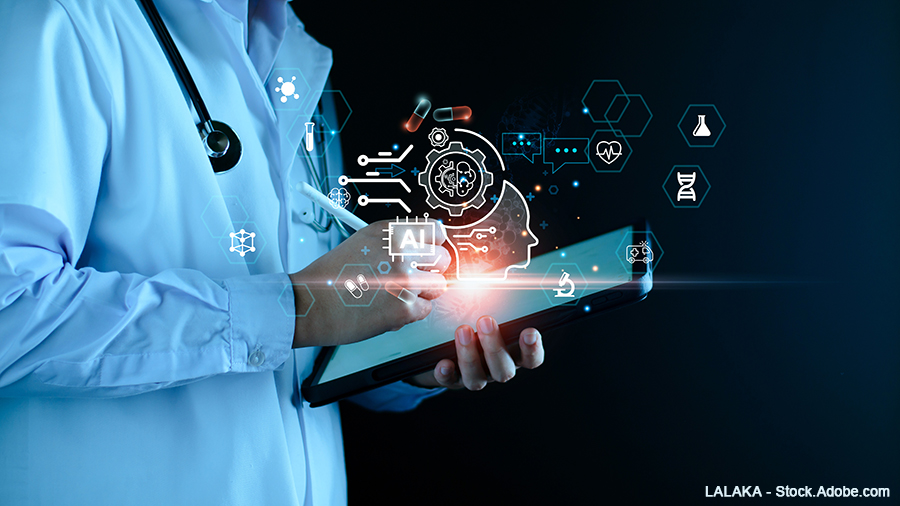
In the heart of Louisiana, a digital revolution is underway, reshaping the landscape of healthcare diagnostics with the power of artificial intelligence (AI). As reported by Big Easy Magazine, AI is not just a tool but a transformative force, enhancing diagnostic accuracy, improving patient outcomes, and reducing costs.
The Role of AI in Modern Healthcare
Why is AI becoming indispensable in healthcare diagnostics? The answer lies in its unparalleled ability to process vast datasets with remarkable precision and speed. AI systems, by identifying patterns and anomalies often missed by the human eye, are revolutionizing diagnostic accuracy and treatment planning. Healthcare providers, such as Northshore Orthodontics, are leveraging these advanced technologies to deliver more personalized care, ensuring better health outcomes and increased efficiency.
Moreover, AI is streamlining administrative tasks, freeing healthcare professionals to focus more on patient care. By automating routine processes such as appointment scheduling and billing, AI minimizes human errors and reduces administrative burdens. Predictive analytics powered by AI also help optimize resource allocation and forecast patient admission rates, leading to better preparedness and cost savings.
Enhancing Diagnostic Accuracy
AI’s impact on diagnostic accuracy cannot be overstated. Diagnostic errors, which can lead to incorrect treatments or delayed interventions, are being minimized through AI integration. These systems, trained on extensive datasets, predict disease progression and recommend appropriate interventions, significantly enhancing the accuracy of medical diagnostics.
Early detection is another area where AI shines, identifying diseases at stages when they are more treatable, thereby improving patient outcomes.
Improving Patient Care
Beyond accuracy, AI enriches the overall patient experience. AI-driven chatbots and virtual assistants provide timely information and support, enhancing patient engagement and satisfaction. Predictive analytics tailor treatments to individual needs, ensuring optimal care. These tools make healthcare more accessible and empower patients by involving them actively in their care decisions.
The Future of AI in Healthcare
Looking to the future, AI’s role in healthcare is set to expand. With ongoing improvements in machine learning and data processing, AI’s potential applications in diagnostics are boundless. From enhancing early detection rates to supporting clinical decision-making, AI’s contributions are invaluable. As technology progresses, the integration of AI into healthcare systems will likely become more seamless and widespread, ushering in a new era of medical innovation and excellence.
More Articles
Getting licensed or staying ahead in your career can be a journey—but it doesn’t have to be overwhelming. Grab your favorite coffee or tea, take a moment to relax, and browse through our articles. Whether you’re just starting out or renewing your expertise, we’ve got tips, insights, and advice to keep you moving forward. Here’s to your success—one sip and one step at a time!
Imagine a morning where the commute is just a few steps from your bedroom to your home office. This is the reality for many in today's post-pandemic world, where remote work has become a staple of the modern workforce.
CRISPR technology has become the frontrunner in genome editing, surpassing earlier methods like zinc finger nucleases and transcription activator-like effector nucleases. The recent FDA approval of the CRISPR-Cas9 drug, exa-cel, marks a significant milestone particularly for treating sickle cell disease and transfusion-dependent beta thalassemia.
In recent years, artificial intelligence has emerged as a revolutionary tool in the field of oncology. AI's integration into healthcare transcends buzzwords, transforming cancer diagnosis, treatment personalization, and drug discovery.
The rapid advancements in artificial intelligence (AI) are transforming the landscape of radiology, promising to enhance diagnostic accuracy and support personalized medicine. However, as this technology becomes more integral to medical imaging, it brings with it a host of ethical and societal considerations that cannot be ignored.
AI's promise in healthcare is undeniable, with its ability to uncover hidden disease patterns and predict illnesses. However, the reliance on historical data can exacerbate existing biases, particularly affecting marginalized communities such as the LGBTQIA+ and certain ethnic and racial groups.
Telemedicine stands out as a transformative force, offering a lifeline to patients and providers alike. As we move beyond the pandemic, the challenge is to integrate this technology without escalating costs or overshadowing the indispensable role of in-person consultations.