Revolutionizing Medical Training with Virtual Reality

In the rapidly evolving field of medical education, a groundbreaking study has emerged, shedding light on the transformative potential of immersive technologies. Published on September 9, 2024, in BMC Medical Education, this research explores the role of extended reality (XR) and virtual reality (VR) in training young healthcare professionals to manage medical emergencies more effectively.
Addressing a Critical Gap Newly minted healthcare professionals often find themselves ill-prepared for the high-stakes environment of emergency medicine. This lack of practical experience can lead to feelings of inadequacy and, more critically, adverse outcomes for patients. The study, involving 529 senior medical students, delves into how XR/VR technologies can bridge this gap by offering realistic, immersive training scenarios.
High Acceptance and Minimal Discomfort The findings reveal a high level of acceptance and engagement among students using XR/VR for emergency medical training. Importantly, incidences of simulation sickness, a common concern with VR, were minimal. The study also noted that the cost of head-mounted displays did not significantly impact the learning experience, making the technology accessible and effective.
Implications for Medical Education The implications of this study are profound. As the medical field continues to embrace technological advancements, XR/VR could become a staple in medical curricula, equipping future physicians with the skills necessary to handle complex emergency scenarios. This aligns with previous insights, such as those from Wei S. and McEvoy MD et al., highlighting the need for enhanced training methods in emergency medicine.
Looking Ahead While the study underscores the potential of XR/VR in medical education, it also calls for further research to fully harness these technologies. The integration of XR/VR into traditional medical training could represent a paradigm shift, with benefits extending beyond emergency medicine.

Further Exploration

For more insights into this transformative study, visit the journal homepage or explore the open access information.

More Articles

Getting licensed or staying ahead in your career can be a journey—but it doesn’t have to be overwhelming. Grab your favorite coffee or tea, take a moment to relax, and browse through our articles. Whether you’re just starting out or renewing your expertise, we’ve got tips, insights, and advice to keep you moving forward. Here’s to your success—one sip and one step at a time!

Why Toronto’s Real Estate Market Is a Rollercoaster Using Would You Rather Decisions

By 2022, the average cost had skyrocketed to $1.19 million. That’s, like, a 28% increase in just three years! But as with all wild parties, there was an inevitable hangover.

By |January 19, 2025|Categories: Article, Market Analysis, Real Estate|Tags: , |0 Comments

TikTok’s Ban: US Social Media Frenzy

"And let’s not forget this might be the start of a multi-platform domino effect. If TikTok is toast, Instagram Reels, YouTube Shorts, or bizarre TikTok lookalikes (looking at you, Lemon8) are poised to swoop in and capitalize."

By |January 19, 2025|Categories: Article, Humor, Technology|Tags: |0 Comments

Sutter Health’s Innovative Approach to Sepsis Management

Sutter Health is pioneering a transformative approach in critical care by introducing the FloPatch, a novel wearable device aimed at enhancing clinical decision-making. This initiative focuses on improving sepsis management within intensive care units (ICUs), leveraging real-time data to support critical treatment decisions.

TikTok Ban in the U.S.: A Landmark Moment in National Security

TikTok, the immensely popular social media app, is now banned in the United States following a Supreme Court ruling that mandated the app to sever ties with its China-based parent company, ByteDance, or face a ban.

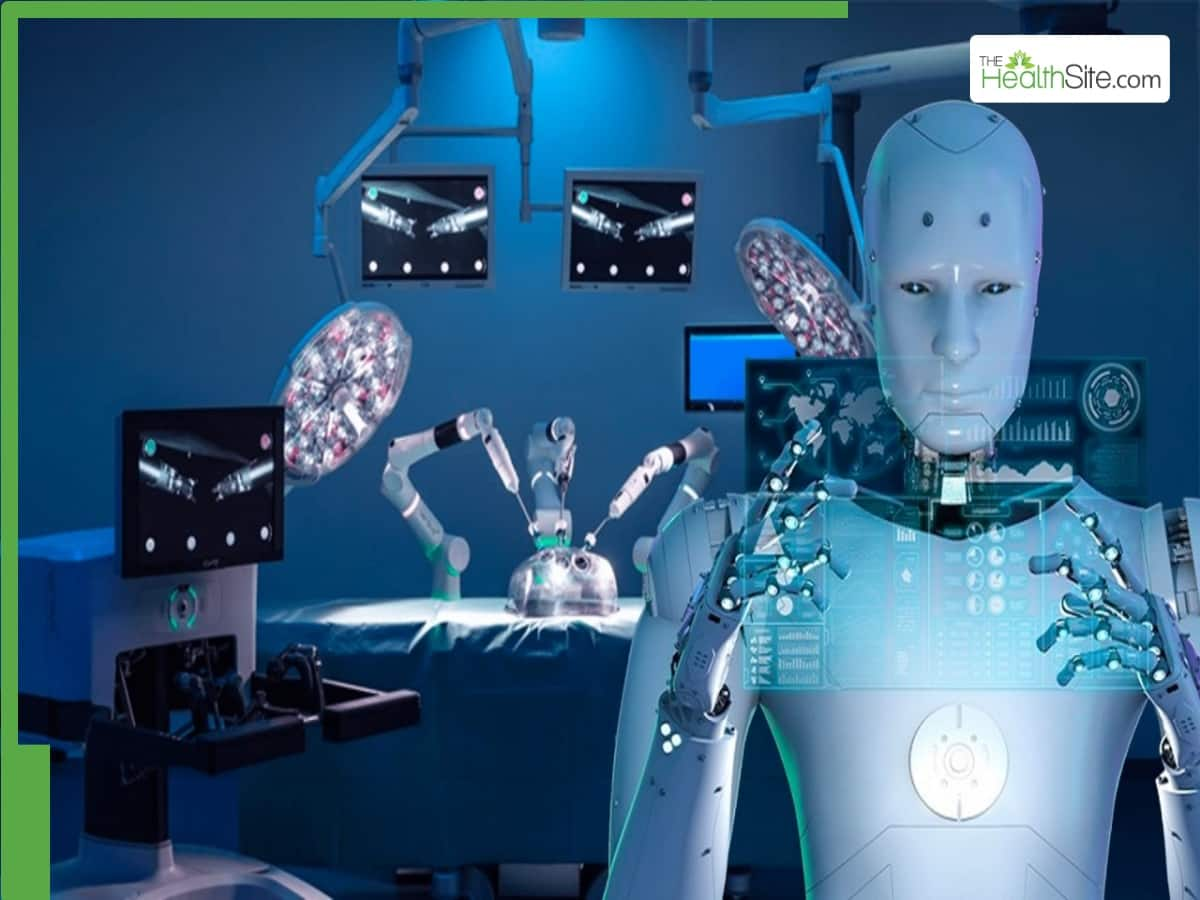
AI and Robotics Revolutionizing Indian Healthcare

AI is poised to revolutionize the diagnostic process, enabling more accurate and faster diagnoses than ever before. Traditional methods, which rely heavily on manual interpretations of medical images, often suffer from delays and errors. In contrast, AI-driven diagnostic tools can swiftly analyze vast amounts of medical data, including X-rays, MRIs, and CT scans, with remarkable precision. This technology is already being leveraged for the early detection of diseases such as cancer and diabetic retinopathy, making diagnostics more efficient and accessible than ever.

By |January 19, 2025|Categories: Article, Healthcare, Technology|Tags: , |0 Comments

Embracing Smart Renovations: Europe’s Path to Sustainable Building

Currently, buildings account for over 30% of the EU's environmental footprint, a staggering figure that underscores the urgency of reform.