Revolutionizing Medical Training with Virtual Reality

In the rapidly evolving field of medical education, a groundbreaking study has emerged, shedding light on the transformative potential of immersive technologies. Published on September 9, 2024, in BMC Medical Education, this research explores the role of extended reality (XR) and virtual reality (VR) in training young healthcare professionals to manage medical emergencies more effectively.
Addressing a Critical Gap Newly minted healthcare professionals often find themselves ill-prepared for the high-stakes environment of emergency medicine. This lack of practical experience can lead to feelings of inadequacy and, more critically, adverse outcomes for patients. The study, involving 529 senior medical students, delves into how XR/VR technologies can bridge this gap by offering realistic, immersive training scenarios.
High Acceptance and Minimal Discomfort The findings reveal a high level of acceptance and engagement among students using XR/VR for emergency medical training. Importantly, incidences of simulation sickness, a common concern with VR, were minimal. The study also noted that the cost of head-mounted displays did not significantly impact the learning experience, making the technology accessible and effective.
Implications for Medical Education The implications of this study are profound. As the medical field continues to embrace technological advancements, XR/VR could become a staple in medical curricula, equipping future physicians with the skills necessary to handle complex emergency scenarios. This aligns with previous insights, such as those from Wei S. and McEvoy MD et al., highlighting the need for enhanced training methods in emergency medicine.
Looking Ahead While the study underscores the potential of XR/VR in medical education, it also calls for further research to fully harness these technologies. The integration of XR/VR into traditional medical training could represent a paradigm shift, with benefits extending beyond emergency medicine.

Further Exploration

For more insights into this transformative study, visit the journal homepage or explore the open access information.

More Articles

Getting licensed or staying ahead in your career can be a journey—but it doesn’t have to be overwhelming. Grab your favorite coffee or tea, take a moment to relax, and browse through our articles. Whether you’re just starting out or renewing your expertise, we’ve got tips, insights, and advice to keep you moving forward. Here’s to your success—one sip and one step at a time!

The Transformation of Insurance Through Customer-Centric Ecosystems

In the fast-evolving world of insurance, a transformative shift is underway, driven by the development of customer-centric ecosystems. As highlighted in a comprehensive study by EY, insurance ecosystems are reshaping the industry by focusing on customer engagement, trust, and operational excellence.

Ethical Challenges of AI in Radiography: Insights from Radiographers

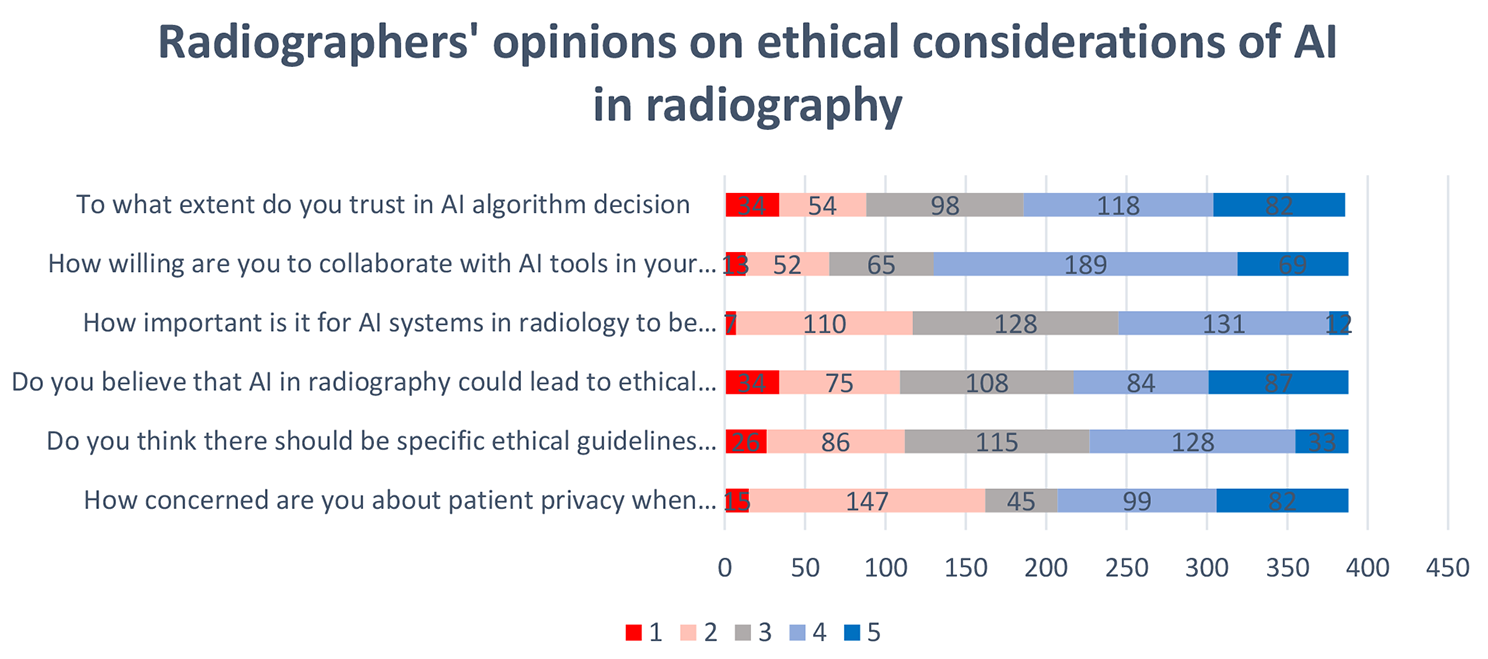
The integration of artificial intelligence in radiography brings a host of ethical challenges that demand careful consideration. A recent study highlights the diverse perspectives of radiographers, revealing significant knowledge gaps and varying trust levels in AI-driven decisions. Concerns over patient privacy and the need for dedicated ethical guidelines are pivotal as healthcare embraces AI.

AI in Healthcare: A Transformative Force Today and Tomorrow

AI tools are already delivering significant value and are poised to further transform healthcare. Embracing these changes today will position organizations and individuals to capture the long-term benefits of a more effective, efficient, and personalized healthcare system.

2024 Housing Market Crystal Ball: Transformative Trends for the Next Decade

The housing landscape of 2034 will be more diverse, technologically advanced, and responsive to the needs of an evolving population.

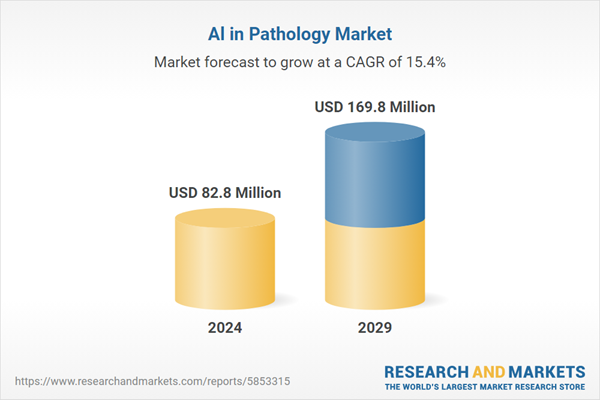
The Future of AI in Pathology: A Market on the Rise

AI in pathology is revolutionizing the field by enhancing the analysis of clinical data, genomic information, and disease progression. These advancements are not only streamlining personalized treatment plans but also optimizing healthcare resource allocation.

By |January 12, 2025|Categories: Article, Healthcare, Technology|Tags: , |0 Comments

Revolutionizing Precision Medicine: AI’s Role in Diabetes and Chronic Disease Management

In an era where data reigns supreme, the integration of artificial intelligence (AI) and machine learning (ML) into the realm of precision medicine is not just a possibility but a burgeoning reality.