Earlier, Accurate Diagnosis

In the evolving landscape of healthcare, genetic disorders have always presented significant diagnostic challenges. The complexity of their genetic and phenotypic characteristics often leaves clinicians grappling for answers. Enter the CLinAI Initiative, a groundbreaking project spearheaded by Dr. Hamid Alinejad Rokny from UNSW. This initiative is changing the game by leveraging advanced AI and Large Language Models (LLMs) to process and analyze vast amounts of genetic, clinical, and phenotypic data. The result? A more precise identification of genetic markers linked to diseases, allowing doctors to intervene earlier and tailor treatments for those who need them most.
“We’re not just diagnosing conditions faster; we’re diagnosing them better,” says Dr. Rokny. The power of AI and LLMs lies in their ability to uncover patterns in data that were previously invisible, offering a revolutionary approach to tackling rare and complex heart diseases.

Individual Treatments, Global Impact

Cardiovascular diseases, known for their unpredictability, underscore the critical need for early and accurate diagnosis. The AI-driven platform developed by the CLinAI team promises to cut diagnostic times by a staggering 80% and reduce healthcare costs by 70%. This means quicker treatments, fewer hospital visits, and improved outcomes for patients and their families.
“I can’t imagine the relief this will bring to so many people,” remarks Prof. Nigel Lovell, Head of UNSW Biomedical Engineering School. “The earlier we catch these conditions, the more we can do to prevent severe complications down the line.”
What sets this initiative apart is the global collaboration propelling it forward. UNSW is working closely with partners like NSW Health (Professor Tony Roscioli), the Chinese Academy of Sciences, and the Thailand Genomics Service to push the boundaries of AI and LLMs in healthcare. This collaborative effort ensures that the innovations are not just theoretical but are making a tangible difference in the real world.
“By working together, we’re making sure that these innovations aren’t just theoretical—they’re making a real-world difference,” Dr. Rokny explains.
For more details, visit the original article.

More Articles

Getting licensed or staying ahead in your career can be a journey—but it doesn’t have to be overwhelming. Grab your favorite coffee or tea, take a moment to relax, and browse through our articles. Whether you’re just starting out or renewing your expertise, we’ve got tips, insights, and advice to keep you moving forward. Here’s to your success—one sip and one step at a time!

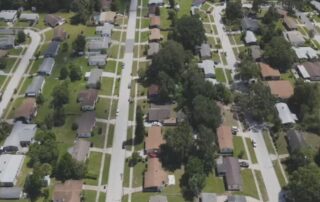
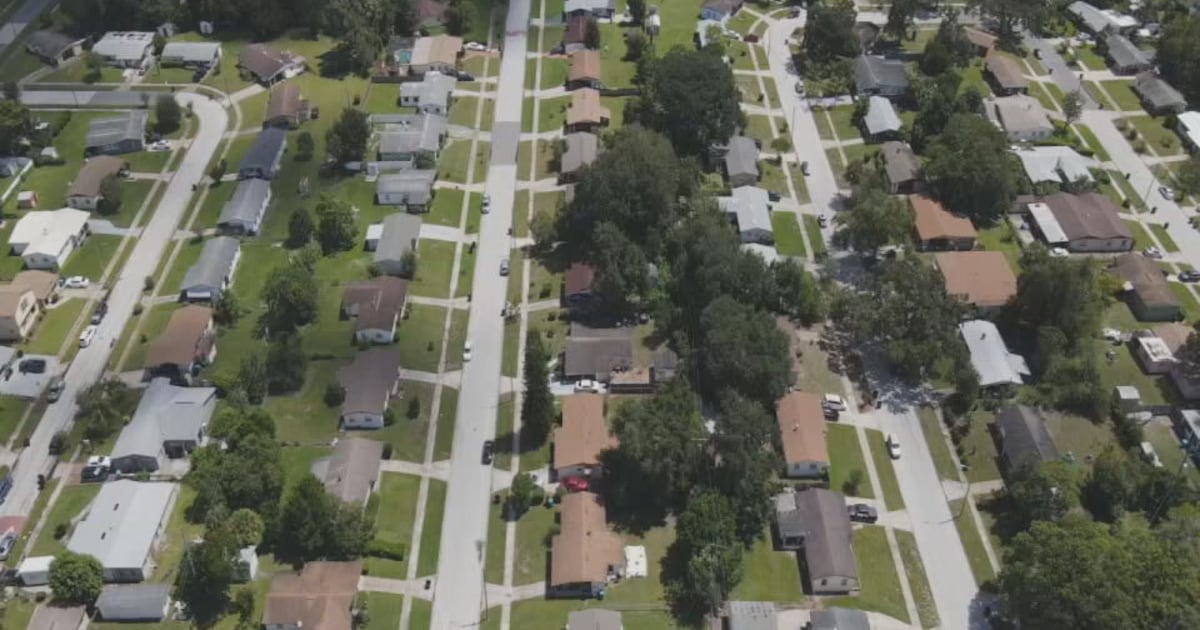
Florida Homeowners Finally Get a Break as Insurance Rates Begin to Drop

After years of soaring premiums and insurer instability, Florida’s property insurance market is finally turning a corner. Major carriers have filed 83 requests for rate decreases heading into 2026, with companies like Florida Peninsula and Patriot Select proposing cuts of 8.4% and 11.3%. Some homeowners may see relief as early as next month, signaling a long‑awaited shift toward market stability.

The Fix-and-Flip Comeback: Why 2026 Is Poised to Be a Breakout Year for Investors

Fix-and-flip investing is gearing up for one of its strongest years in a decade as 2026 approaches. With cheaper capital, more accessible funding, easing interest rates, and long-awaited increases in housing inventory, investors are finding the perfect environment to launch or scale renovation-based real estate businesses. Renovation continues to outpace new construction in cost and speed, and demand for move-in-ready homes remains high, making 2026 a powerful opportunity window for both new and experienced investors.

Falling Rents Today, Rising Pressures Tomorrow: A 2026 Rental Squeeze Is on the Horizon

After a short-lived period of relief in 2025, the U.S. rental market may be headed for a tighter, more expensive 2026. With construction starts dropping nearly 11% and completions plunging 42%, the surge of new apartments that helped lower rents is rapidly drying up. Rising costs, shrinking inventory, and a slowdown in new development point to a potential rental crunch that could leave renters facing heavier competition and higher prices across major markets next year.

The Biggest Opportunity in Real Estate Since 2008

The commercial real estate market is entering a rare reset that experts say mirrors the post‑2008 boom, creating a potential window for disciplined investors. With trillions in commercial debt coming due and property values dropping up to 40%, firms like AARE are positioning themselves to acquire assets below replacement cost—an advantage that could set the stage for significant long‑term growth.

Six for 2026: The Commercial Real Estate Shifts Already Reshaping the U.S.

Commercial real estate is entering a reinvention phase, with AI‑driven productivity, modernized office demand, experience‑focused retail, expanding industrial logistics, creative housing solutions, and sustainability‑centered design all accelerating nationwide. These six forces are shaping how investors, brokers, and future licensees will operate in a rapidly evolving U.S. market.

2026 Becomes the Turning Point: Innovation, Stability, and Upward Mobility Return

After years of economic uncertainty and cautious decision‑making, 2026 is shaping up to be the year professionals finally catch a break. AI is moving from buzzword to essential tool, capital markets are beginning to thaw, and hiring is picking up across real estate, mortgage, insurance, finance, and healthcare. With opportunity returning, many professionals are using this moment to upskill—pursuing new licenses, certifications, and cross‑industry expertise.