Earlier, Accurate Diagnosis

In the evolving landscape of healthcare, genetic disorders have always presented significant diagnostic challenges. The complexity of their genetic and phenotypic characteristics often leaves clinicians grappling for answers. Enter the CLinAI Initiative, a groundbreaking project spearheaded by Dr. Hamid Alinejad Rokny from UNSW. This initiative is changing the game by leveraging advanced AI and Large Language Models (LLMs) to process and analyze vast amounts of genetic, clinical, and phenotypic data. The result? A more precise identification of genetic markers linked to diseases, allowing doctors to intervene earlier and tailor treatments for those who need them most.
“We’re not just diagnosing conditions faster; we’re diagnosing them better,” says Dr. Rokny. The power of AI and LLMs lies in their ability to uncover patterns in data that were previously invisible, offering a revolutionary approach to tackling rare and complex heart diseases.

Individual Treatments, Global Impact

Cardiovascular diseases, known for their unpredictability, underscore the critical need for early and accurate diagnosis. The AI-driven platform developed by the CLinAI team promises to cut diagnostic times by a staggering 80% and reduce healthcare costs by 70%. This means quicker treatments, fewer hospital visits, and improved outcomes for patients and their families.
“I can’t imagine the relief this will bring to so many people,” remarks Prof. Nigel Lovell, Head of UNSW Biomedical Engineering School. “The earlier we catch these conditions, the more we can do to prevent severe complications down the line.”
What sets this initiative apart is the global collaboration propelling it forward. UNSW is working closely with partners like NSW Health (Professor Tony Roscioli), the Chinese Academy of Sciences, and the Thailand Genomics Service to push the boundaries of AI and LLMs in healthcare. This collaborative effort ensures that the innovations are not just theoretical but are making a tangible difference in the real world.
“By working together, we’re making sure that these innovations aren’t just theoretical—they’re making a real-world difference,” Dr. Rokny explains.
For more details, visit the original article.

More Articles

Getting licensed or staying ahead in your career can be a journey—but it doesn’t have to be overwhelming. Grab your favorite coffee or tea, take a moment to relax, and browse through our articles. Whether you’re just starting out or renewing your expertise, we’ve got tips, insights, and advice to keep you moving forward. Here’s to your success—one sip and one step at a time!

How AI Is Transforming Financial Advisors’ Daily Routines in 2026

In 2026, financial advisors are no longer just experimenting with AI — they’re relying on it. Once confined to back-office duties, AI now supports meeting prep, portfolio analysis, and even early-stage financial planning. Advisors say the tech is strengthening client relationships by freeing them from administrative overload, though entry-level roles like paraplanners may feel the squeeze as automation accelerates.

AI Is Outpacing the Mortgage Industry’s Cyber Defenses as Attacks Surge

Cybercriminals are weaponizing AI to launch highly convincing email scams and system breaches across the mortgage industry, overwhelming lenders and servicers whose cybersecurity measures can’t keep up. With major companies already hit and regulation lagging behind, experts warn the sector—now considered critical infrastructure—must rapidly upgrade protections, collaborate on threat intelligence, and improve AI governance before the risks escalate further.

Hidden Housing Costs May Become 2026’s Most Dangerous Budget Buster

Escrow payments are quietly surging across the country as property taxes and insurance premiums spike—pushing many homeowners toward delinquencies and even foreclosure. New data from Cotality shows the sharpest increases hitting the South and Midwest, with Florida among the hardest‑hit states. Even with fixed mortgage rates, rising escrow requirements are driving monthly payments higher and threatening affordability heading into 2026.

Milwaukee’s Commercial Real Estate Market Is Turning the Corner

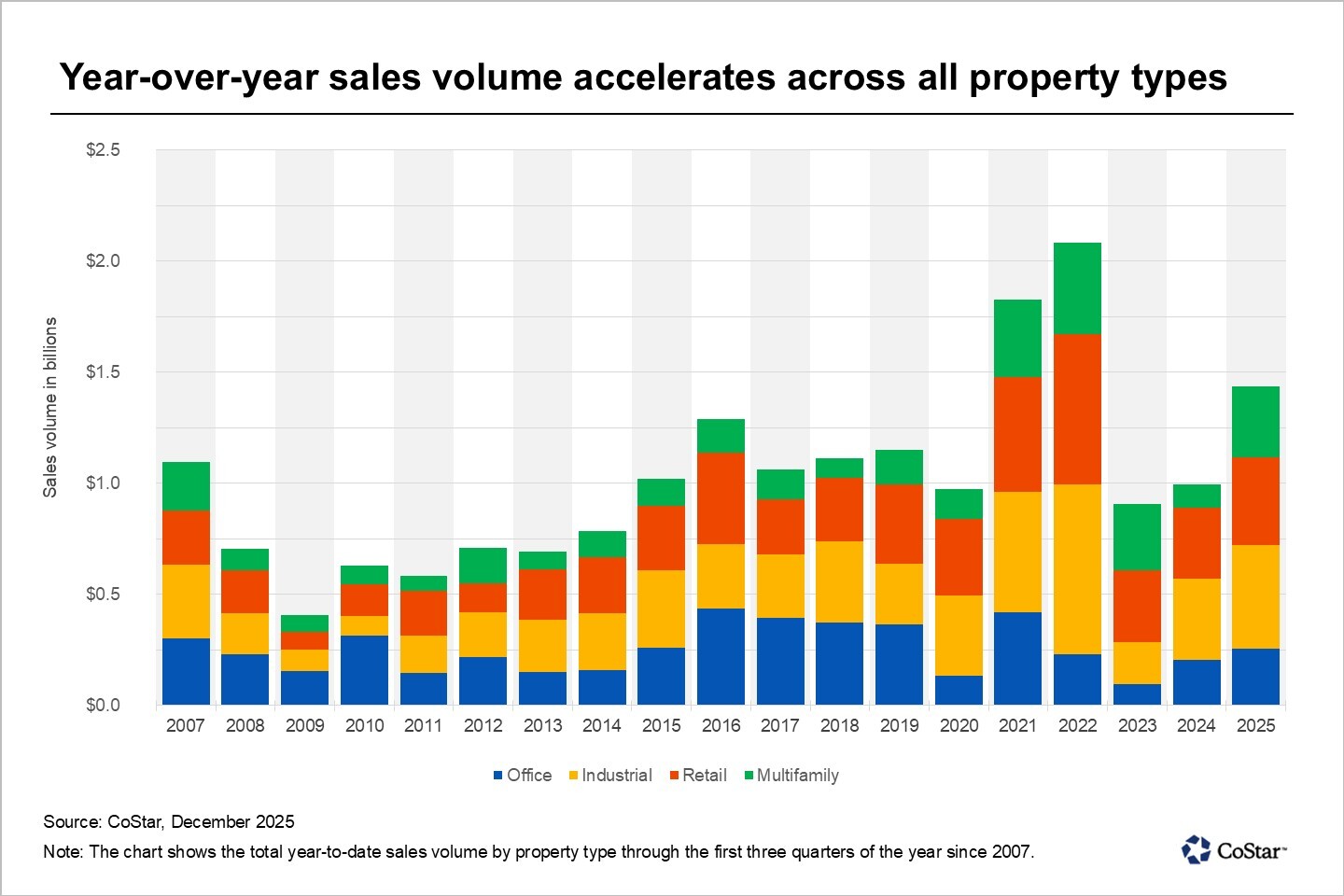
Milwaukee entered 2025 with renewed momentum, posting its strongest commercial real estate sales volume in three years. After a period of uncertainty and high capital costs, investors are returning with a sharper focus on quality assets, realistic pricing, and reliable cash flow. Activity is increasing across industrial, office, multifamily, and retail sectors, signaling a broad-based recovery fueled by stabilizing interest rates and improved market confidence.

Title Insurance Leaders Lean Into Tech, Efficiency, and Resilience for 2026

As 2026 approaches, the title insurance industry is navigating a complex mix of market recovery, rising fraud threats, and sweeping regulatory changes. Industry leaders say the path forward centers on smarter technology, leaner operations, and stronger support for title agents. With AI-driven workflows, enhanced fraud prevention, and new compliance demands—including FinCEN’s expanded Geographic Targeting Orders—companies like Stewart and First American are reshaping how title work gets done. For real estate and mortgage professionals, the year ahead promises more automation, heightened standards, and major opportunities for those who stay ahead of the curve.

Technology and the Future of Real Estate: Innovation Reshaping 2025

The real estate industry is undergoing a major transformation in 2025 as advancements in AI, proptech, blockchain, and data intelligence redefine how properties are marketed, valued, financed, and experienced. From instant digital valuations and immersive virtual tours to tokenized investments and predictive analytics, technology is reshaping every stage of the real estate lifecycle. Professionals who embrace these innovations—while maintaining the human expertise clients still rely on—will lead the next era of the industry.