
In the ever-evolving landscape of real estate, few innovations have captured the industry’s imagination as profoundly as blockchain technology. Known for its roots in the realm of cryptocurrencies like Bitcoin, blockchain is now making significant inroads into real estate, promising a revolution in how properties are bought, sold, and managed.

Blockchain in real estate

In 2020, the global market for blockchain in the real estate sector was valued at a staggering $328.3 million. By 2028, this figure is projected to soar to $3.8 billion, underscoring the technology’s transformative potential. A testament to its promise, a significant 86% of industry decision-makers believe blockchain could fundamentally change the game.

Applications of Blockchain in Real Estate

  • Due Diligence

    The arduous process of due diligence is streamlined through blockchain, which allows for secure digital documentation. This minimizes the risk of data tampering and automates tasks, enhancing speed and accuracy.
  • Property Search

    Traditional property listings often involve prohibitive fees and inaccuracies. Blockchain disrupts this by enabling decentralized data sharing, fostering peer-to-peer efficiency and real-time data accuracy for brokers and clients.
  • Property Management

    By integrating blockchain, property management processes are simplified. Smart contracts automate transactions, such as lease payments, ensuring a secure and seamless experience for both landlords and tenants.
  • File and Payments Handling

    Blockchain reduces the complexities of file management and transactions by introducing digital identities and cryptocurrencies, streamlining processes and cutting associated costs.
  • Real Estate Investing

    Tokenization through blockchain allows for fractional ownership, promoting transparency and reducing fraud, thereby enhancing investment security.


Challenges in Adopting Blockchain

While the benefits are compelling, the adoption of blockchain in real estate is not without its challenges. The costs associated with development and integration are significant, and the scarcity of skilled professionals with the necessary expertise can be a barrier. Furthermore, despite blockchain’s inherent security advantages, vulnerabilities such as insider threats and smart contract bugs necessitate robust security measures. The evolving regulatory landscape also poses a challenge, as countries worldwide have varying laws regarding technology and real estate.

Conclusion

Despite these hurdles, the potential of blockchain to revolutionize the real estate sector is undeniable. As highlighted in the original article from Impakter, keeping a keen eye on blockchain’s evolution will be crucial in understanding its full impact on the real estate landscape.

More Articles

Getting licensed or staying ahead in your career can be a journey—but it doesn’t have to be overwhelming. Grab your favorite coffee or tea, take a moment to relax, and browse through our articles. Whether you’re just starting out or renewing your expertise, we’ve got tips, insights, and advice to keep you moving forward. Here’s to your success—one sip and one step at a time!

Building an Integrated Approach to Real Estate Sustainability

Nearly 60% of global real estate CFOs lack the necessary data, processes, or internal controls to comply with current environmental regulations.

The Blockchain Revolution: Building the Future of Finance with DeFi

DeFi emerges as a beacon of transformation, promising to revolutionize how we interact with money. DeFi stands at the forefront, offering instant, transparent transactions without the constraints of conventional banking systems. This new paradigm opens doors to innovative investment opportunities and fosters a more inclusive global economy.

By |December 8, 2024|Categories: Article, Finance, Technology|Tags: , |0 Comments

Artificial Intelligence: A New Frontier in Neurological Care

AI's integration into neurology is not just a fleeting trend; it's a significant shift in how healthcare professionals approach complex neurological disorders.

By |December 8, 2024|Categories: Article, Healthcare, Technology|Tags: , |0 Comments

Celebrating Commitment to Physician Well-being

The American Medical Association (AMA) has recognized 62 health care organizations through its Joy in Medicine™ Health System Recognition Program. These organizations, representing over 140,000 physicians, have been acknowledged for their innovative strategies aimed at reducing stress and enhancing mental health among doctors.

Global Hospital Services Market Set for Substantial Growth

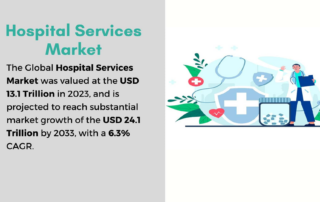
The global hospital services market is undergoing a significant transformation, with projections indicating robust growth over the next decade. As of 2023, the market was valued at USD 13.1 trillion and is expected to soar to an impressive USD 24.1 trillion by 2033, boasting a compound annual growth rate (CAGR) of 6.3%. This optimistic forecast, reported by Market.us Media, is driven by advancements in medical technology, increased healthcare expenditures, and the rising prevalence of chronic diseases.

By |December 7, 2024|Categories: Article, Healthcare, Market Analysis|Tags: , |0 Comments

Unlocking the Potential of Modular Construction in Ontario’s Housing Market

In the bustling realm of Ontario's housing market, modular construction is emerging as a beacon of hope amid a pressing demand for new homes.


By |December 7, 2024|Categories: Article, Construction, Technology|Tags: , |0 Comments