In the ever-evolving landscape of real estate, few innovations have captured the industry’s imagination as profoundly as blockchain technology. Known for its roots in the realm of cryptocurrencies like Bitcoin, blockchain is now making significant inroads into real estate, promising a revolution in how properties are bought, sold, and managed.

Blockchain in real estate

In 2020, the global market for blockchain in the real estate sector was valued at a staggering $328.3 million. By 2028, this figure is projected to soar to $3.8 billion, underscoring the technology’s transformative potential. A testament to its promise, a significant 86% of industry decision-makers believe blockchain could fundamentally change the game.

Applications of Blockchain in Real Estate

  • Due Diligence

    The arduous process of due diligence is streamlined through blockchain, which allows for secure digital documentation. This minimizes the risk of data tampering and automates tasks, enhancing speed and accuracy.
  • Property Search

    Traditional property listings often involve prohibitive fees and inaccuracies. Blockchain disrupts this by enabling decentralized data sharing, fostering peer-to-peer efficiency and real-time data accuracy for brokers and clients.
  • Property Management

    By integrating blockchain, property management processes are simplified. Smart contracts automate transactions, such as lease payments, ensuring a secure and seamless experience for both landlords and tenants.
  • File and Payments Handling

    Blockchain reduces the complexities of file management and transactions by introducing digital identities and cryptocurrencies, streamlining processes and cutting associated costs.
  • Real Estate Investing

    Tokenization through blockchain allows for fractional ownership, promoting transparency and reducing fraud, thereby enhancing investment security.


Challenges in Adopting Blockchain

While the benefits are compelling, the adoption of blockchain in real estate is not without its challenges. The costs associated with development and integration are significant, and the scarcity of skilled professionals with the necessary expertise can be a barrier. Furthermore, despite blockchain’s inherent security advantages, vulnerabilities such as insider threats and smart contract bugs necessitate robust security measures. The evolving regulatory landscape also poses a challenge, as countries worldwide have varying laws regarding technology and real estate.

Conclusion

Despite these hurdles, the potential of blockchain to revolutionize the real estate sector is undeniable. As highlighted in the original article from Impakter, keeping a keen eye on blockchain’s evolution will be crucial in understanding its full impact on the real estate landscape.


More Articles

Getting licensed or staying ahead in your career can be a journey—but it doesn’t have to be overwhelming. Grab your favorite coffee or tea, take a moment to relax, and browse through our articles. Whether you’re just starting out or renewing your expertise, we’ve got tips, insights, and advice to keep you moving forward. Here’s to your success—one sip and one step at a time!

Precision Medicine Market: A Tailored Approach Revolutionizing Healthcare

With increasing governmental and private investments, the demand for precision medicine is expected to rise steadily. The commitment to addressing chronic conditions, coupled with strategic industry collaborations and advanced diagnostic tools, will sustain market growth.

U.S. Wearable Medical Devices Market: Growth Trends and Future Prospects

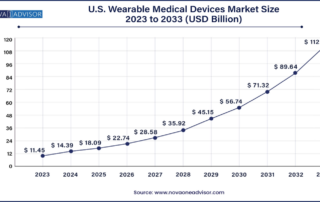
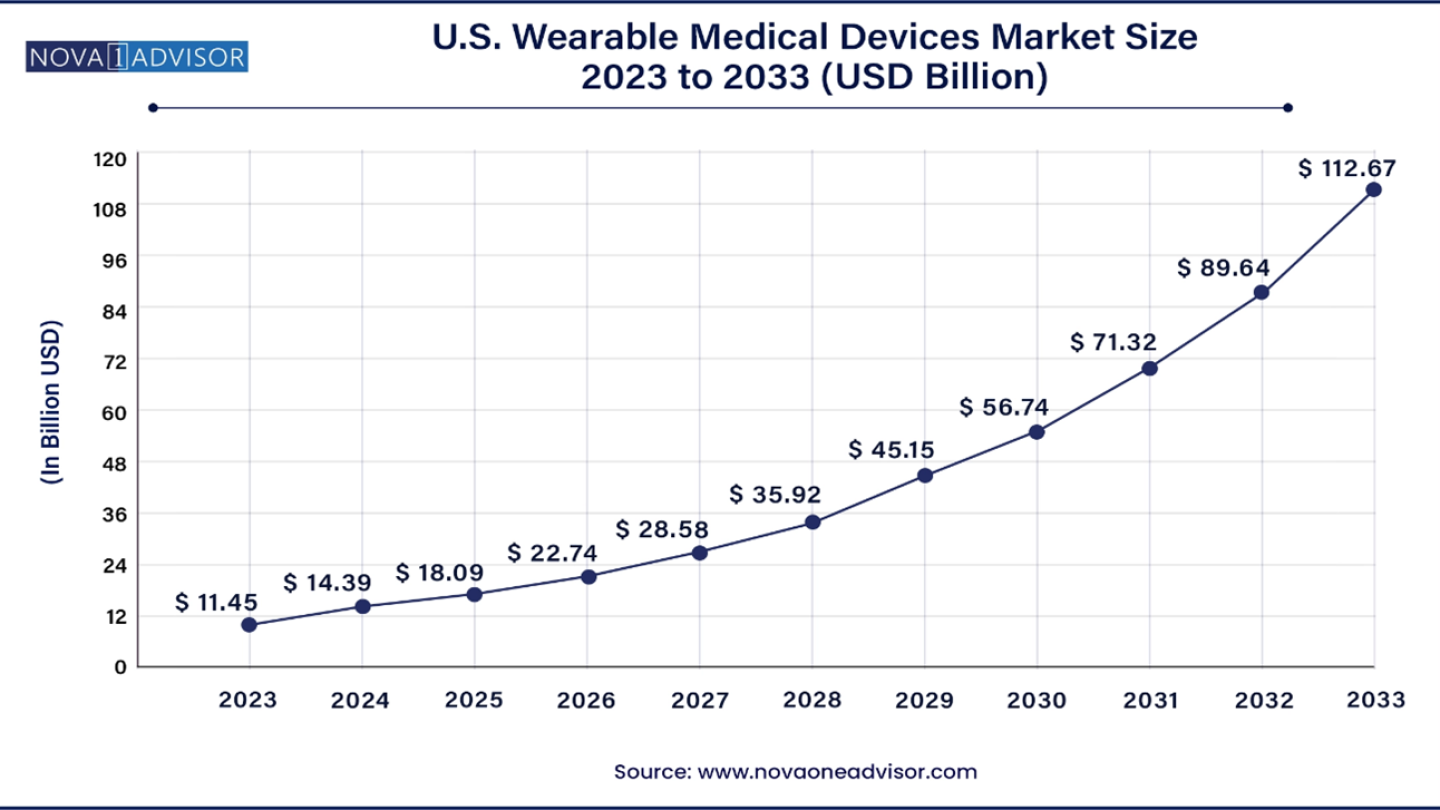
The U.S. wearable medical devices market, currently valued at an estimated $11.45 billion in 2023, is set to experience an astronomical rise to approximately $112.67 billion by 2033.

By |December 3, 2024|Categories: Article, Healthcare, Technology|Tags: |0 Comments

The Future of Real Estate Market: What Lies Ahead?

The real estate market is on the brink of transformation, captivating the attention of buyers, sellers, investors, and industry professionals. As we look toward the end of 2024, experts predict a shift in the landscape, particularly with home prices expected to decline due to increased inventory levels.

By |December 3, 2024|Categories: Article, Market Trends, Real Estate|Tags: , |0 Comments

Bridging the Healthcare Gap in Rural Areas with Telehealth

According to the World Health Organization (WHO), nearly two billion people in rural and remote areas worldwide lack access to essential healthcare solutions. This staggering statistic highlights a critical issue: the digital divide that limits telehealth services, primarily due to inadequate broadband access.

By |December 2, 2024|Categories: Article, Healthcare, Technology|Tags: , |0 Comments

Navigating Ethical Challenges: AI in Healthcare

As AI becomes a staple in medical practice, it carries the risk of reinforcing existing biases entrenched in historical data. These biases can lead to skewed outcomes, particularly affecting marginalized communities such as the LGBTQIA+ and certain ethnic groups.

By |December 2, 2024|Categories: Article, Ethics, Healthcare|Tags: , |0 Comments

New SCLC Biomarkers Enable Advances in Precision Medicine Approaches

A groundbreaking study published in Volume 15 of Oncotarget on October 11, 2024, titled 'Relationship between the expressions of DLL3, ASC1, TTF-1 and Ki-67: First steps of precision medicine at SCLC' showcases pivotal advancements in the fight against small cell lung cancer (SCLC).

By |December 2, 2024|Categories: Article, Cancer Treatment, Medical Research|Tags: , |0 Comments